Interactive exploration
Cities & TransportTraffic jams and traffic waves
Why do traffic jams happen?
One driver brakes. A slowdown travels through the road. Find out how a small action can affect everyone behind it.
Take it apart. Change something. See the idea come to life.
Start with a familiar object. Aim a spinning ball, follow a sound, or inspect a mechanism—and discover what changes when you try something new.
Start exploring →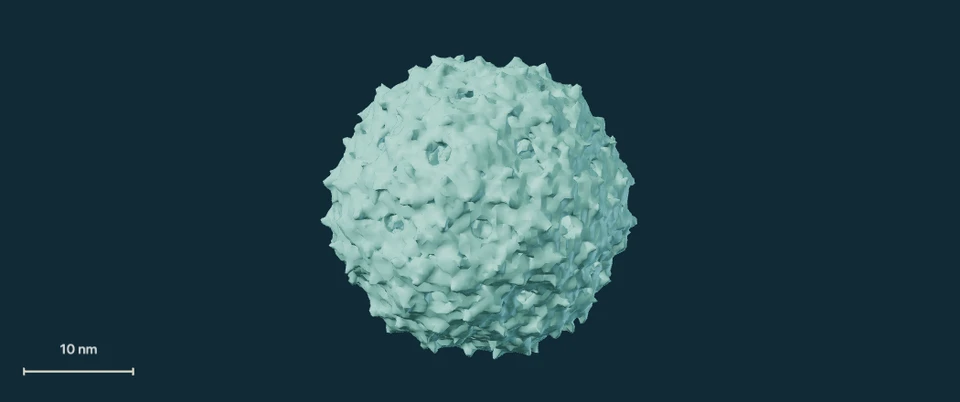
Follow air, water and energy through familiar places. Test a model, inspect a real observation and keep their different limits in view.
Start exploring →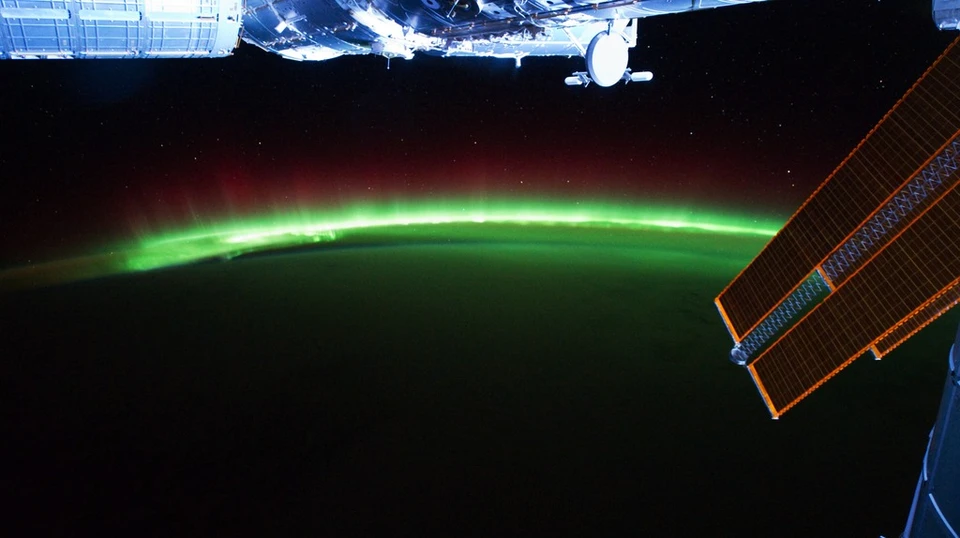
Start with a real view of the sky. Explore glowing air, changing moonlight, falling orbits and the evidence behind distant discoveries.
Start exploring →Follow a message, inspect a destination and open the systems behind a screen. Discover what carries information, what predicts it and what helps protect an account.
Start exploring →One driver brakes. A slowdown travels through the road. Find out how a small action can affect everyone behind it.
Turn once. Count what happens. Discover gear ratios, real-world uses, and why different jobs need different gears.
Squeeze a hydraulic brake. See inside the caliper, change piston sizes, and discover how pressure becomes force.
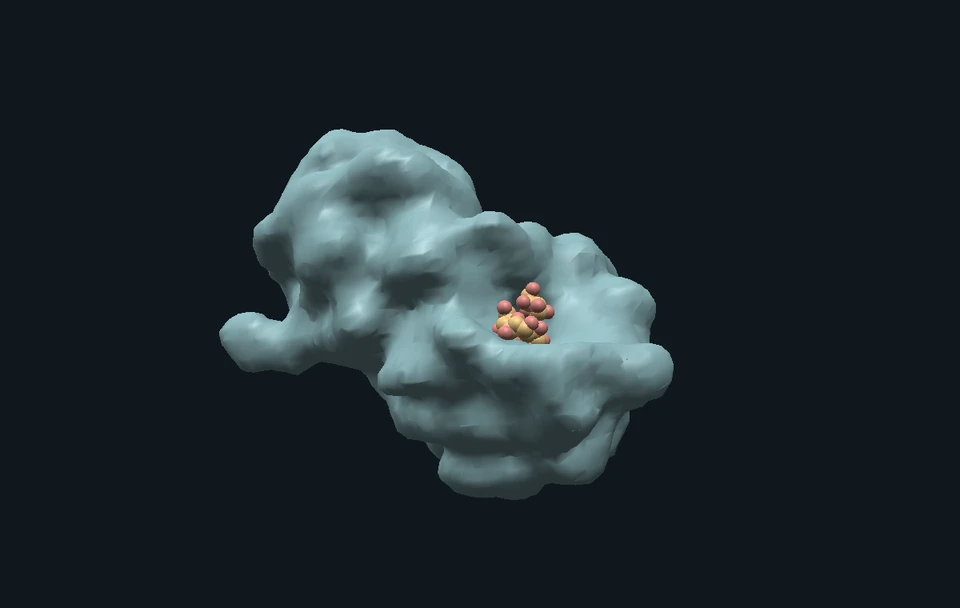
Interactive explorationOpen a real MS2 reconstruction, follow its RNA, and test what happens when a needed step is missing. Discover whose instructions, tools and materials make new particles possible.
 Interactive exploration
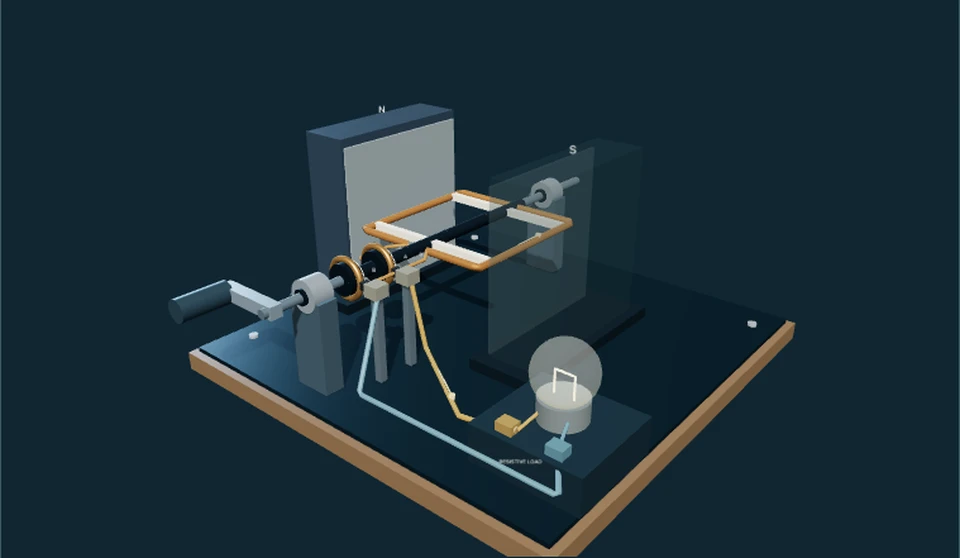
Turn a tabletop generator, unplug its lamp, and replay the same motion. Follow the voltage, the pushback and every joule to discover where electrical energy comes from.
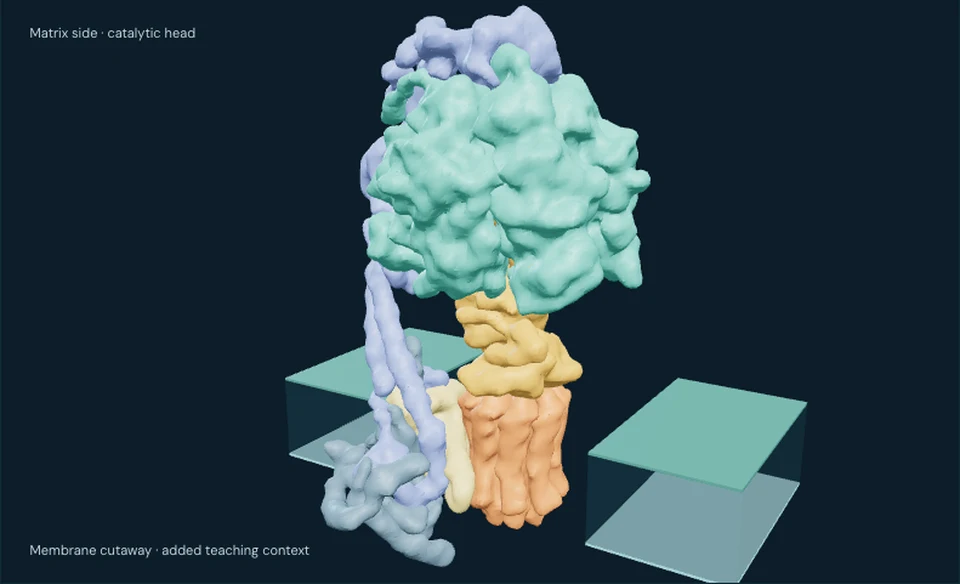 Interactive exploration
Charge a tiny membrane, disconnect its supply, and choose where the stored driving force goes. Discover how cells couple fuel chemistry to ATP—and why a bypass changes the result.
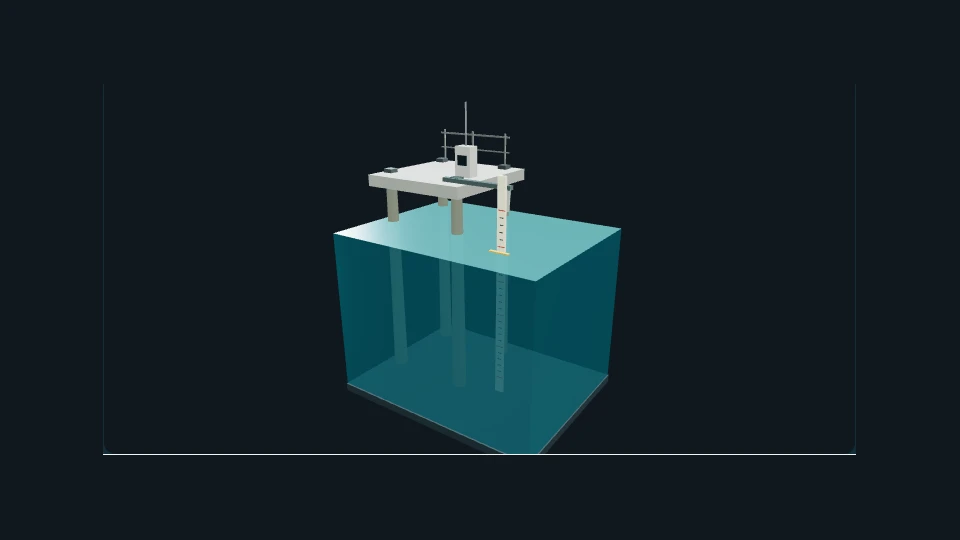 Interactive exploration
Keep one clock at three real waterfronts. Reveal which water level rises next, build a tide from repeating rhythms, and discover why the Moon does not give every coast the same pattern.
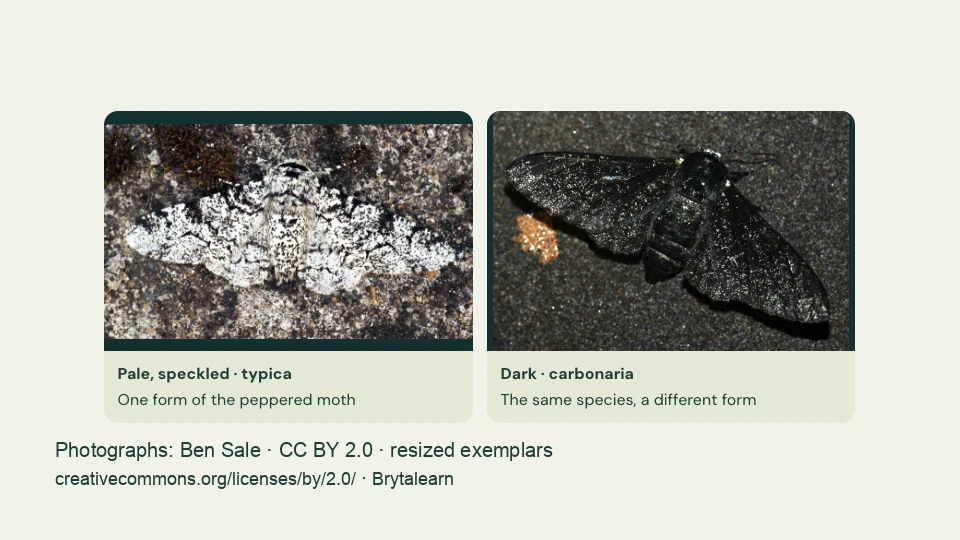 Interactive exploration
Meet two real peppered-moth forms. Follow survivors, trace inherited copies into offspring, and replay a population under different conditions. Compare the teaching model with what researchers actually measured.
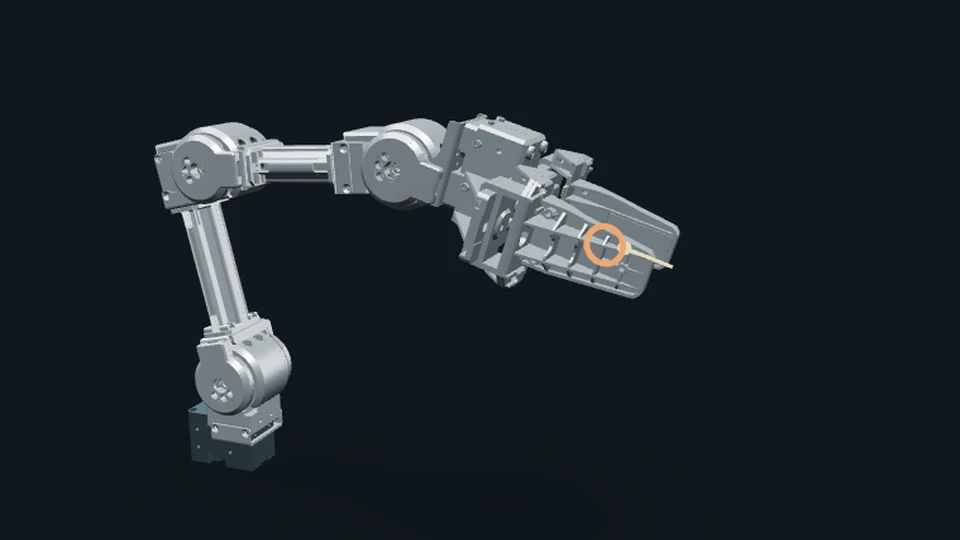 Interactive exploration
Tilt a real robot model while keeping its gripper center on a target. Compare two routes between the same poses, discover what stops a reach, and build a paper arm with two ways to touch one point.
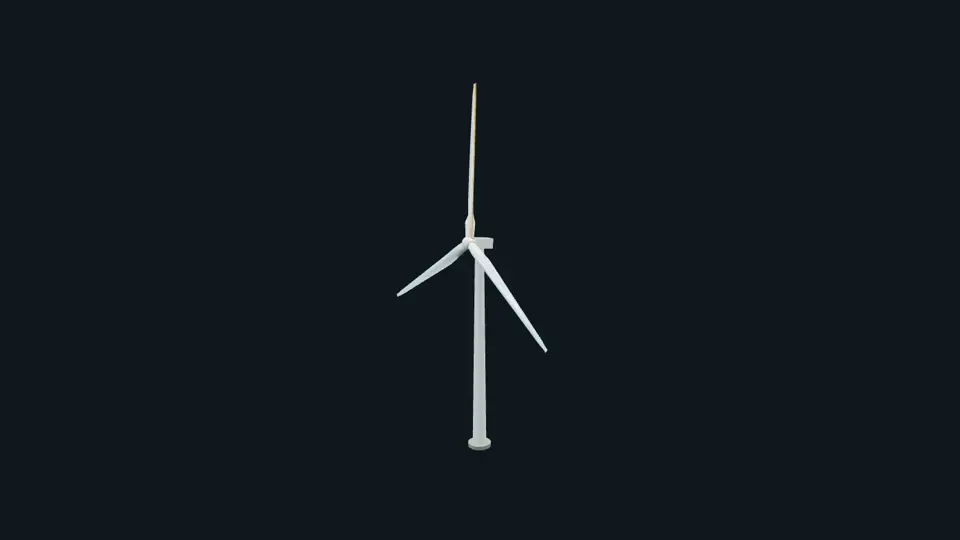 Interactive exploration
Turn a source-shaped blade, change the generator load and follow the energy. Discover why pitch, torque and speed must work together—and compare a model with a real wind-tunnel experiment.
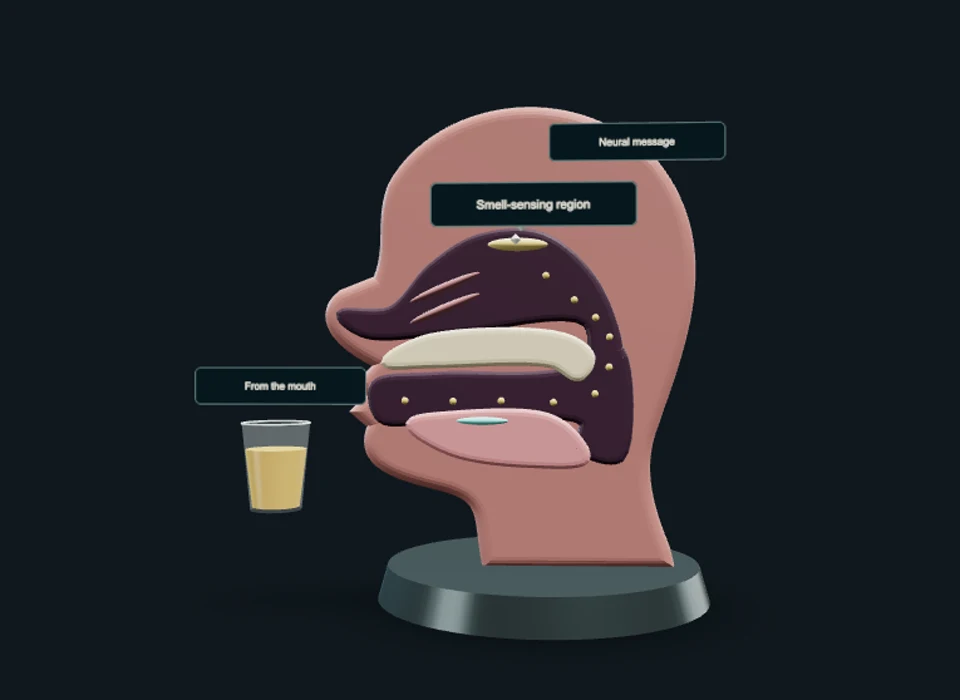 Interactive exploration
Find the hidden route from mouth to nose. Keep a virtual sample the same, change which messages can get through, and inspect real nasal images and an odor receptor.
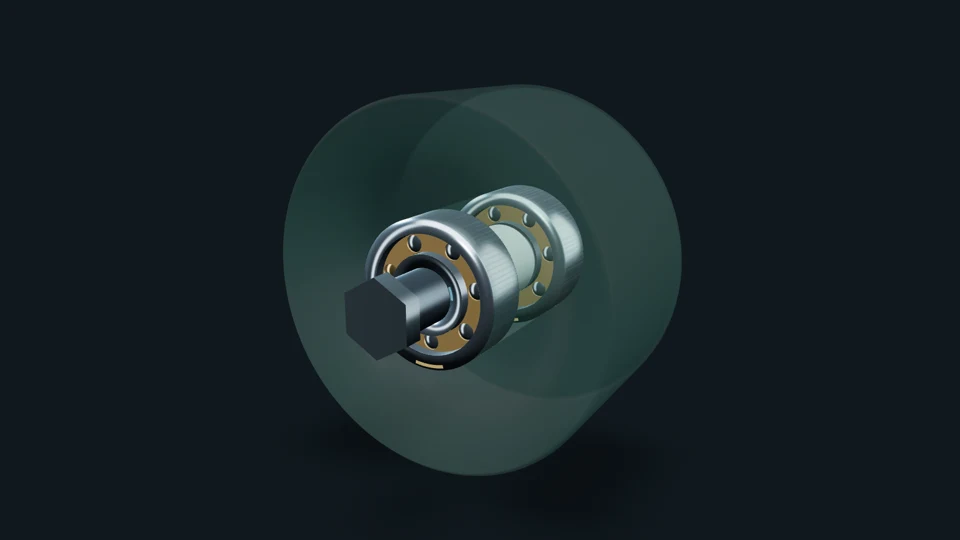 Interactive exploration
Make a wheel see-through, follow a marked ball and test which motions can roll. Then discover why a longer spin does not always mean less friction.
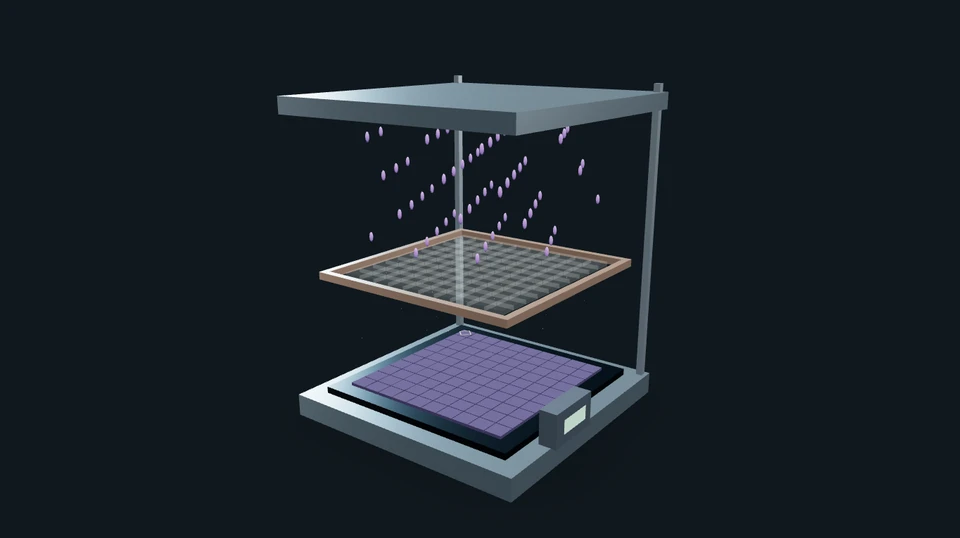 Interactive exploration
Build a virtual light filter, uncover a missing patch, explore real skin microscopy and inspect a DNA structure. Discover why visible light and warmth cannot tell the whole story.
 Interactive exploration
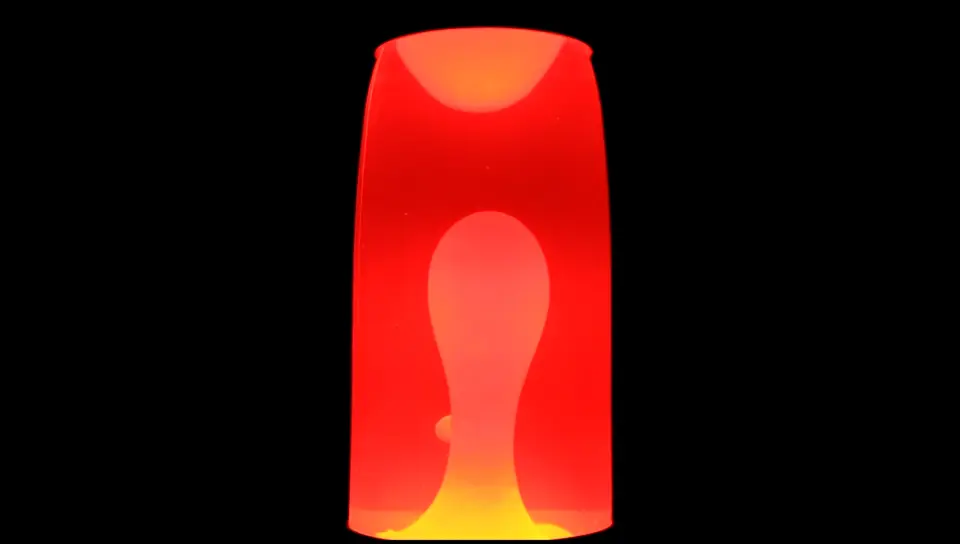
Watch real lava-lamp footage, then release a model blob. Discover why it can rise while cooling, hold it without stopping heat flow, and change the conditions until its journey stops.
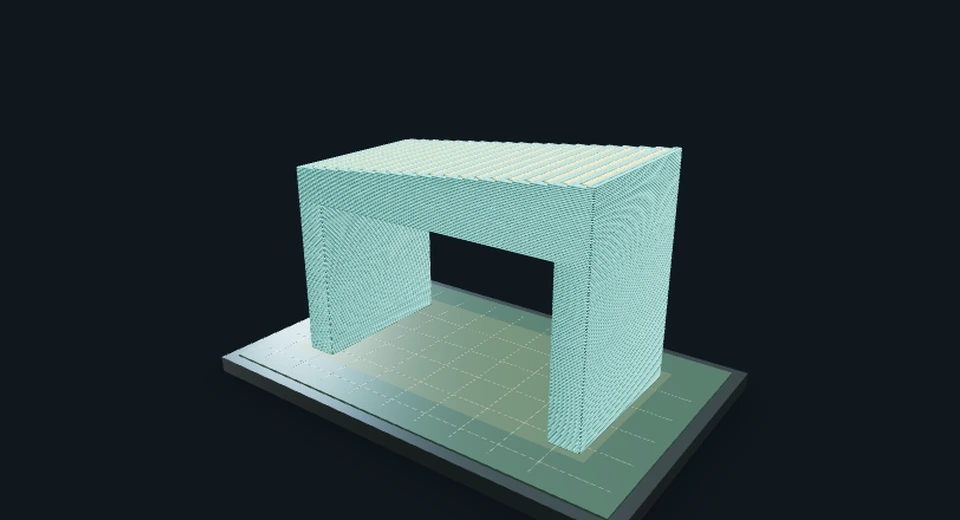
Interactive explorationTurn a miniature stand, slice its real geometry and watch material paths build it. Solve a support puzzle, inspect actual fracture images, and take your design and learning notebook home.
 Interactive exploration
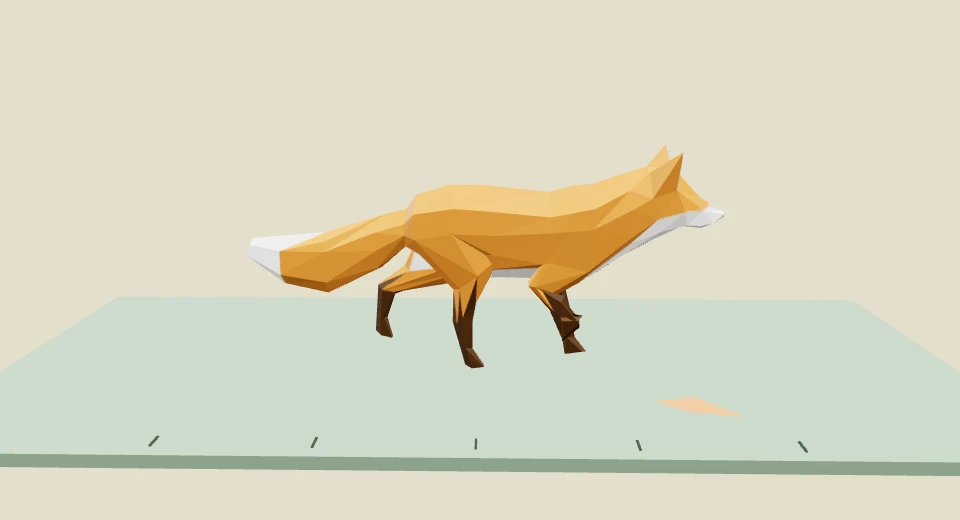
Direct a rigged fox, capture poses and build a real animation. Change pauses, compare in-betweens, inspect a historic motion study, and save your own film.
 Interactive exploration
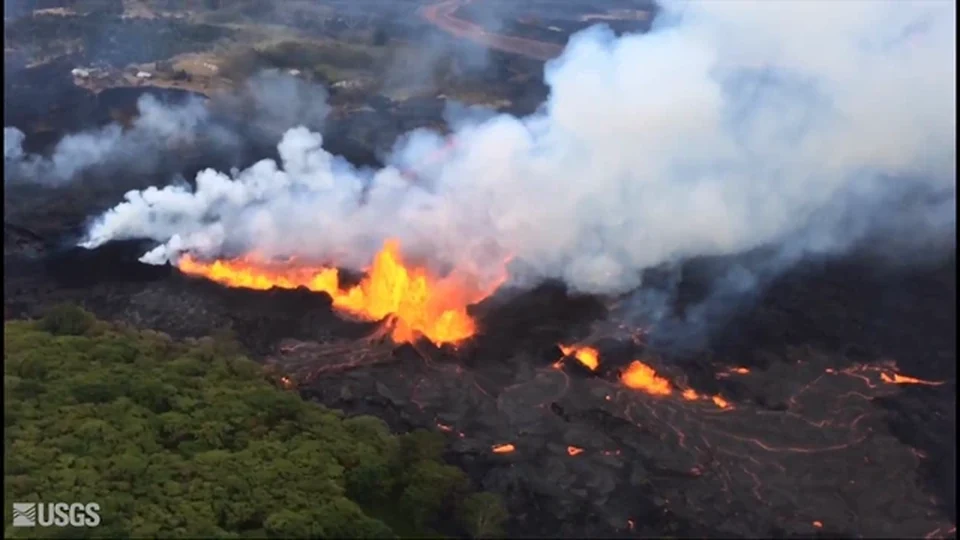
Watch real lava feed a channel. Take apart a gas-volume calculation, compare Mount St. Helens through time, inspect volcanic rock under a microscope and explore an actual surveyed crater.
 Interactive exploration
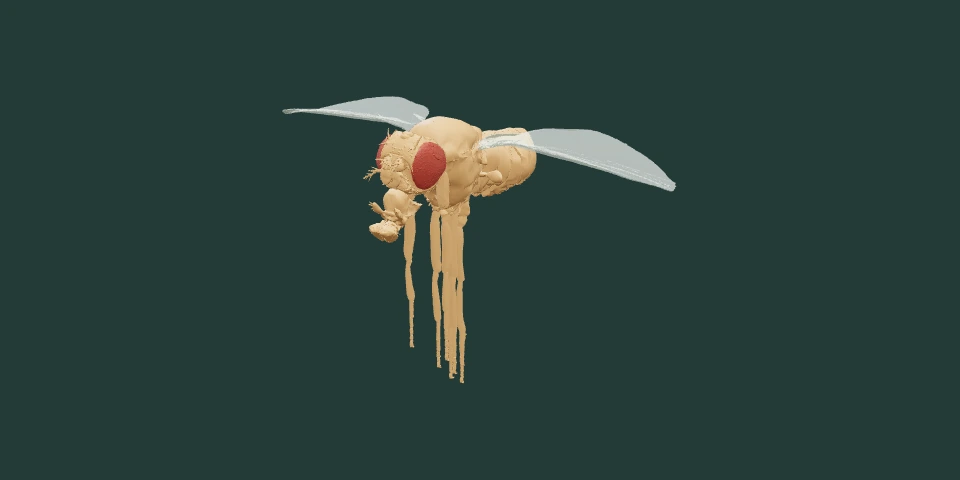
Inspect a real fruit fly reconstruction, choose inherited copies, exchange chromosome segments and test why a probability does not promise an exact family. Follow linked markers from parent to gamete to offspring.
 Interactive exploration
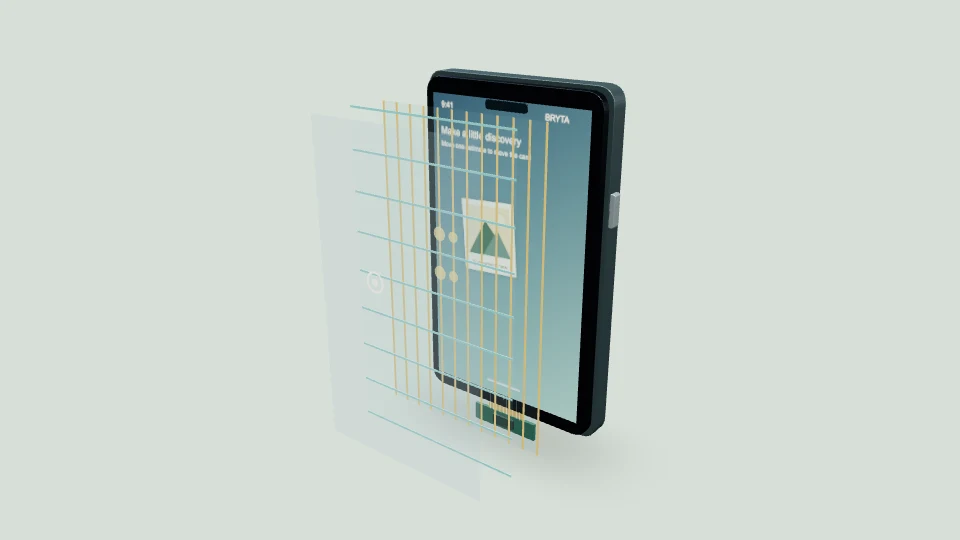
Open a phone into its sensing layers. Move virtual touches, decode changed readings, solve a two-finger mystery and discover why different screens respond to different objects.
 Interactive exploration
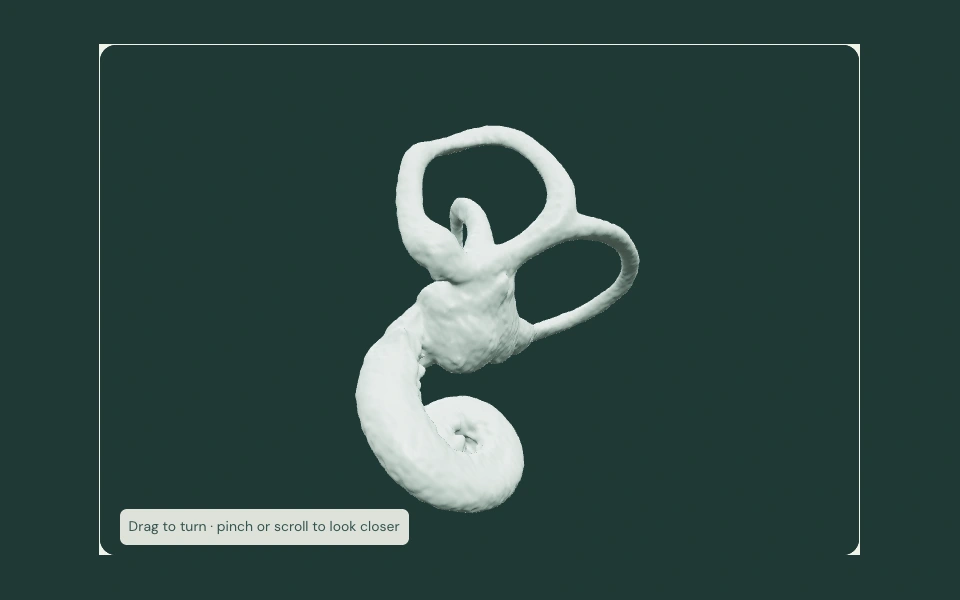
Brake a virtual chair, open a real inner-ear reconstruction, and solve a motion-clue puzzle. Discover why actual movement, sensory responses and what you feel are different.
 Interactive exploration
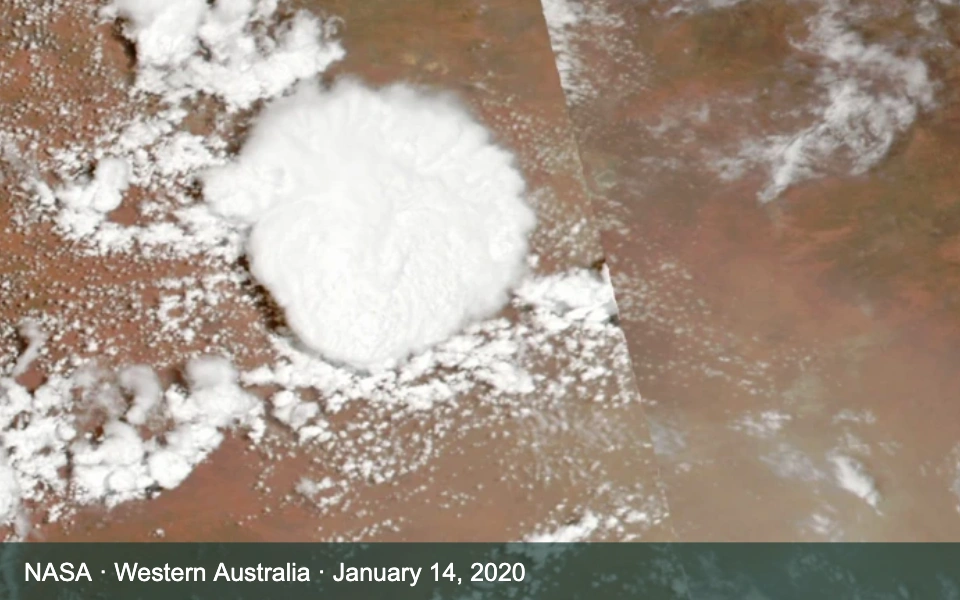
Step through real satellite observations, release an air parcel into a measured atmosphere, and discover why moisture, lifting and the surrounding air all matter.
 Interactive exploration
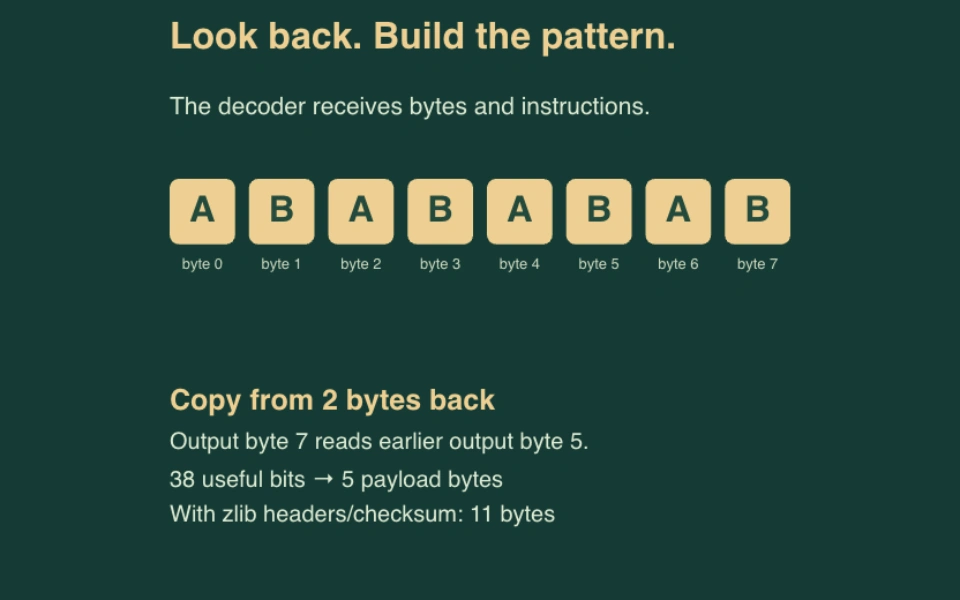
Tell a decoder what to do, paint a tiny picture, make a real PNG and count every byte. Compare reversible prediction with discarded color detail and actual JPEG evidence.
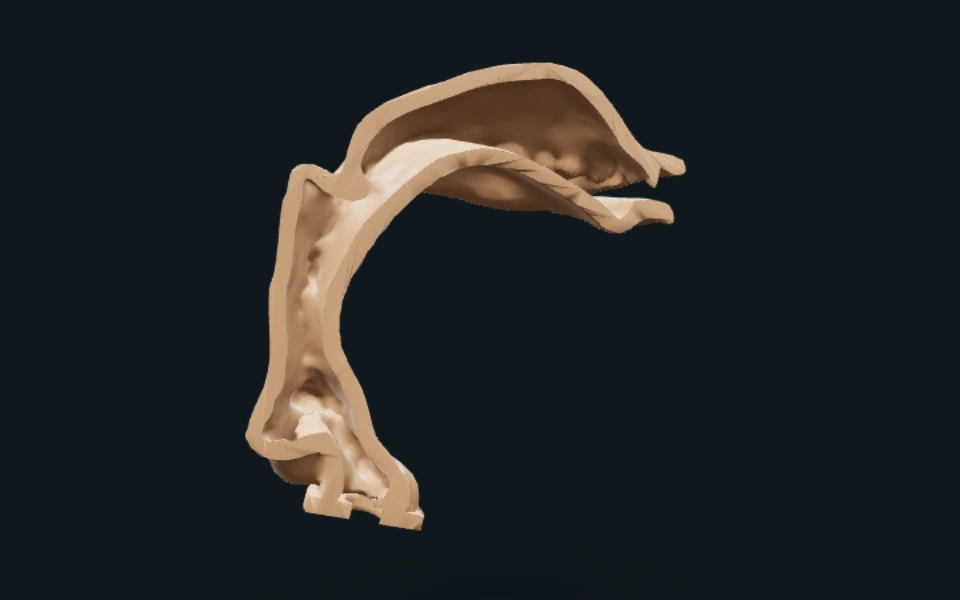 Interactive exploration
Open real MRI-derived vocal-tract models, swap a vowel while holding the source steady, listen to measured-model sounds, and investigate what growth can change.
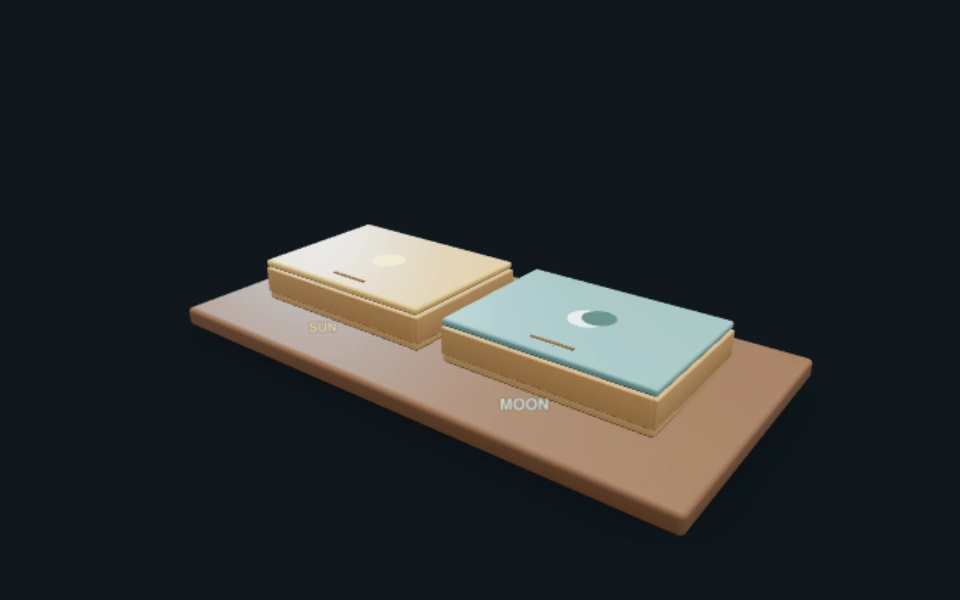 Interactive exploration
Explore real picture cards, try remembering with and without clues, and compare recognition with context. Keep a private record, inspect published learning results and plan a review.
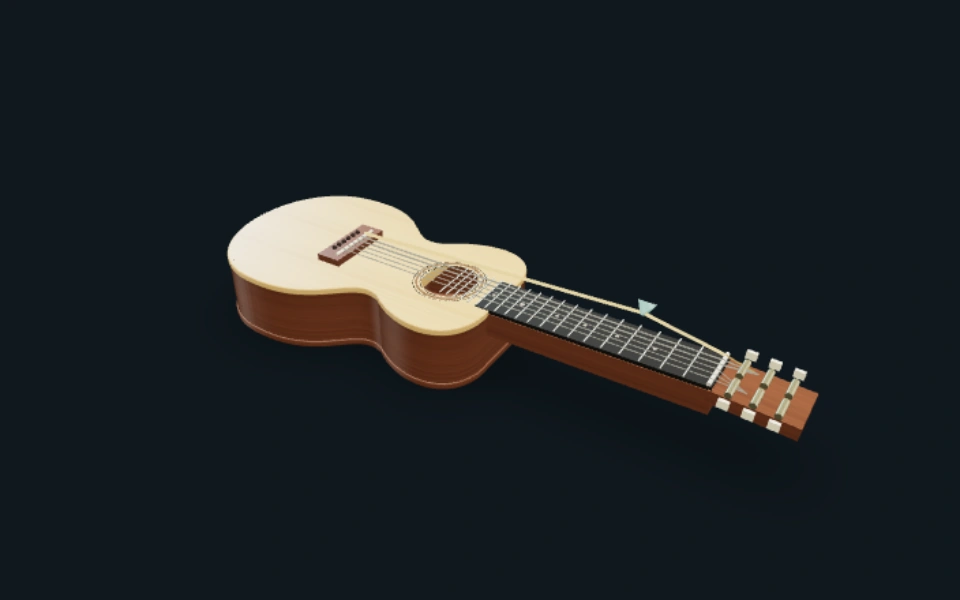 Interactive exploration
Pluck a guitar, move a fret and hear the model. Pull a note apart into harmonics, investigate resonance, and open the instrument beside real research photographs.
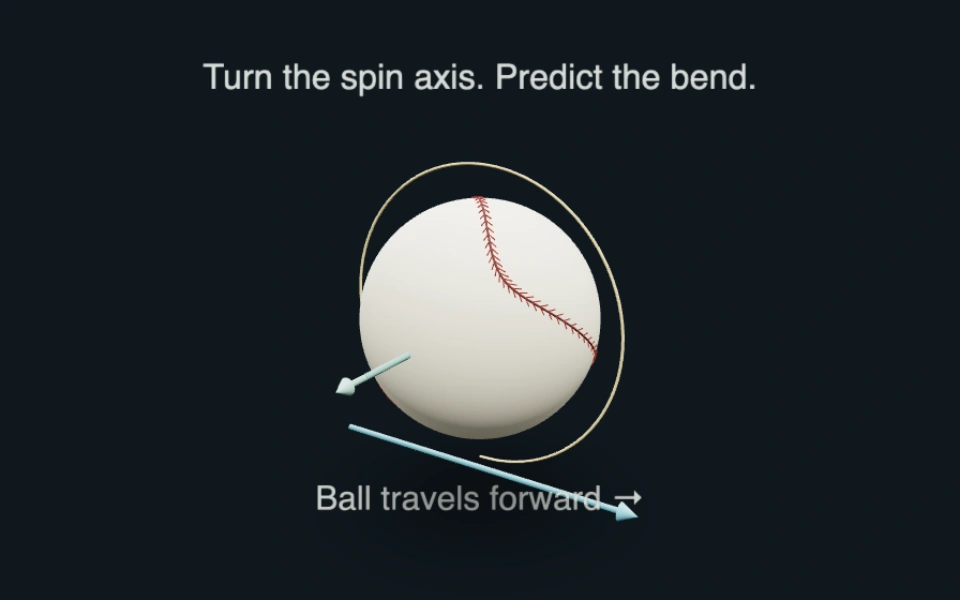 Interactive exploration
Turn a baseball’s spin axis, launch a comparison and freeze the forces. Inspect real ball and wake measurements to discover how seams complicate a simple rule.
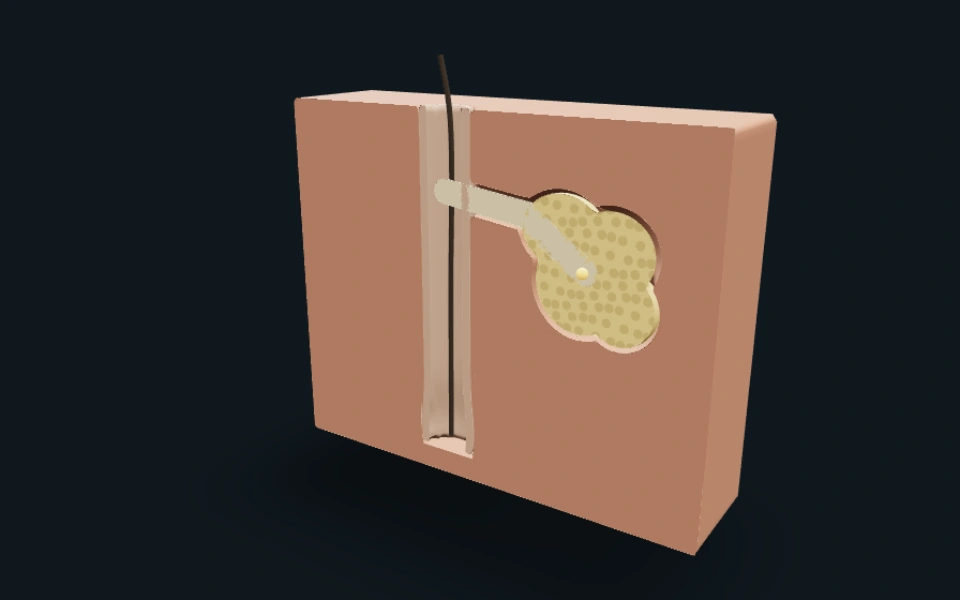 Interactive exploration
Open a connected follicle, follow its normal oil route, and compare structures hidden beneath the surface. Read real human microscopy and discover why acne is more than a story about dirt.
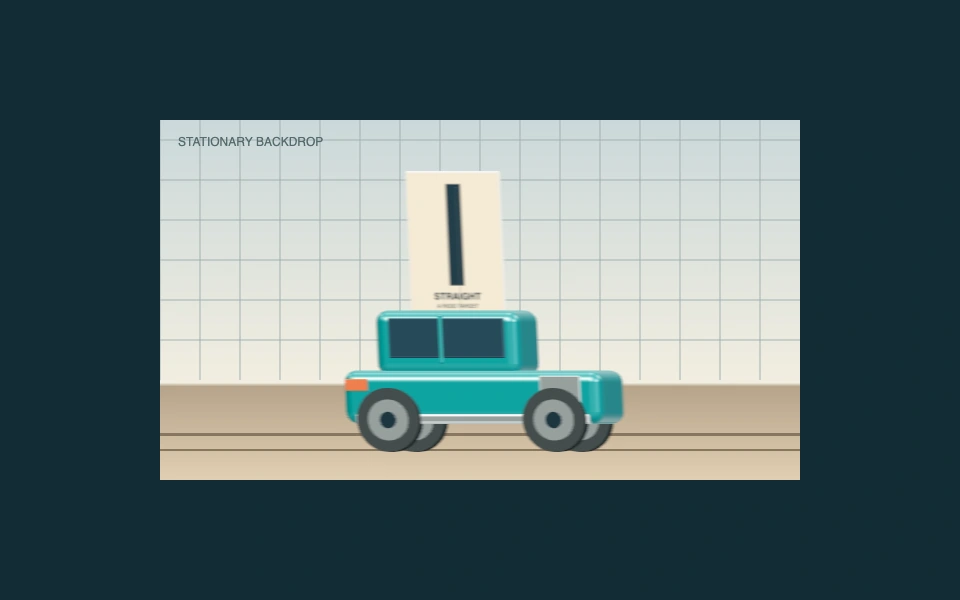 Interactive exploration
Photograph a moving toy, shorten the exposure, and unroll the time behind each row. Compare motion blur, rolling shutter, missed focus and low-light noise using your own saved captures.
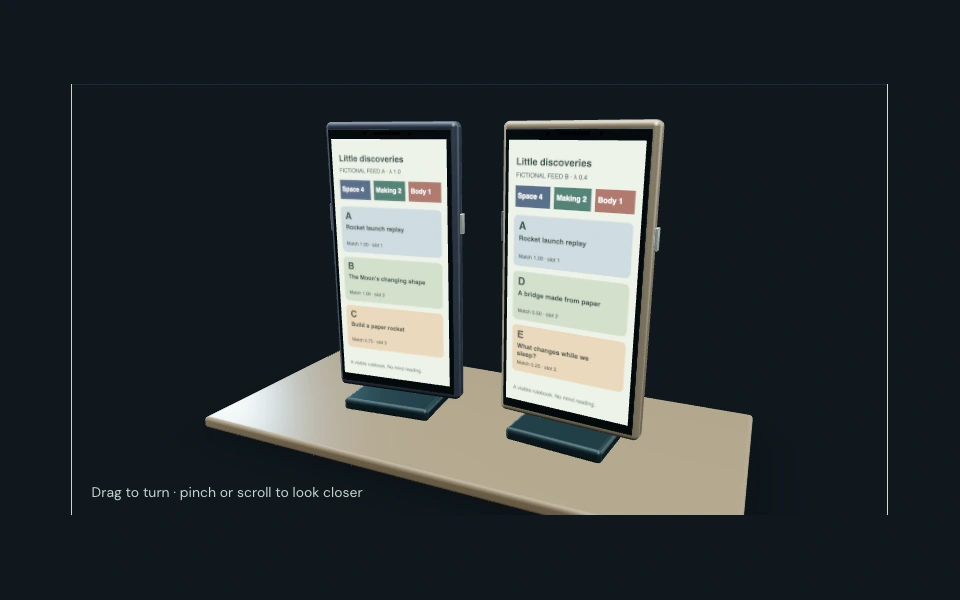 Interactive exploration
Open two pretend feeds. Watch a card, change a rule, and pull out the receipt for the next recommendation. Discover a feedback loop without handing over any real viewing history.
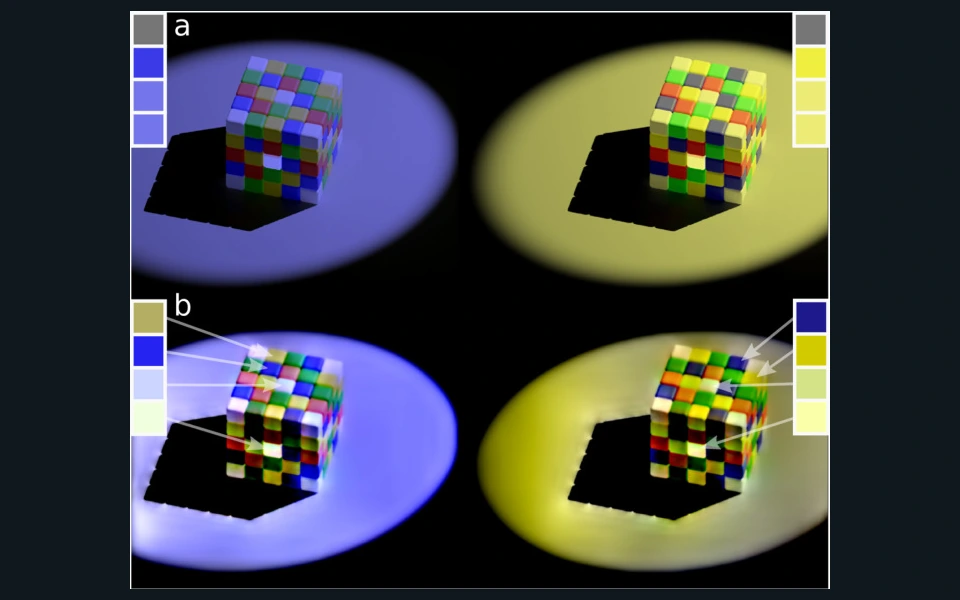 Interactive exploration
Become a color detective. Move the surroundings, uncover the samples, and inspect the actual pixels. Then put a simple explanation to a harder test.
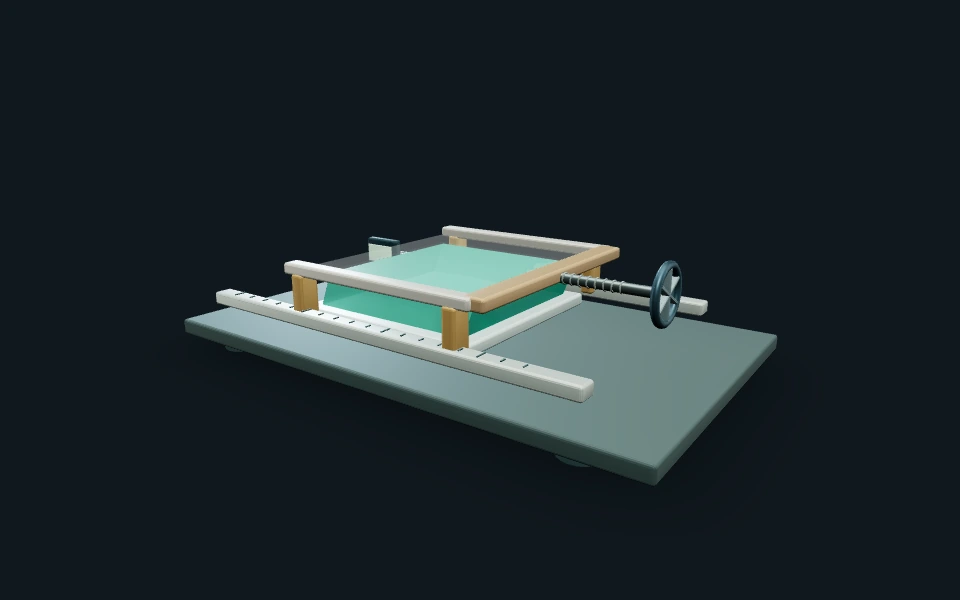 Interactive exploration
Make the same small move at different speeds, park a material-testing carriage, and watch its force change. Explore polymer networks, relaxation, creep and real research images without inventing a breaking rule.
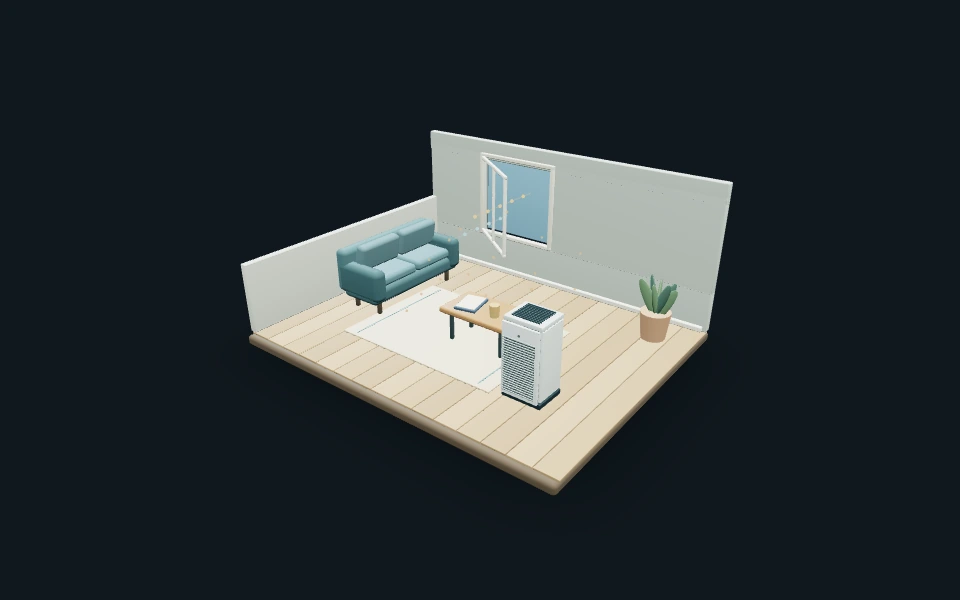 Interactive exploration
Open a room, plan when to exchange its air, and lift the cover off a particle filter. Follow the mass, inspect real observations, and discover what an AQI number can—and cannot—tell you.
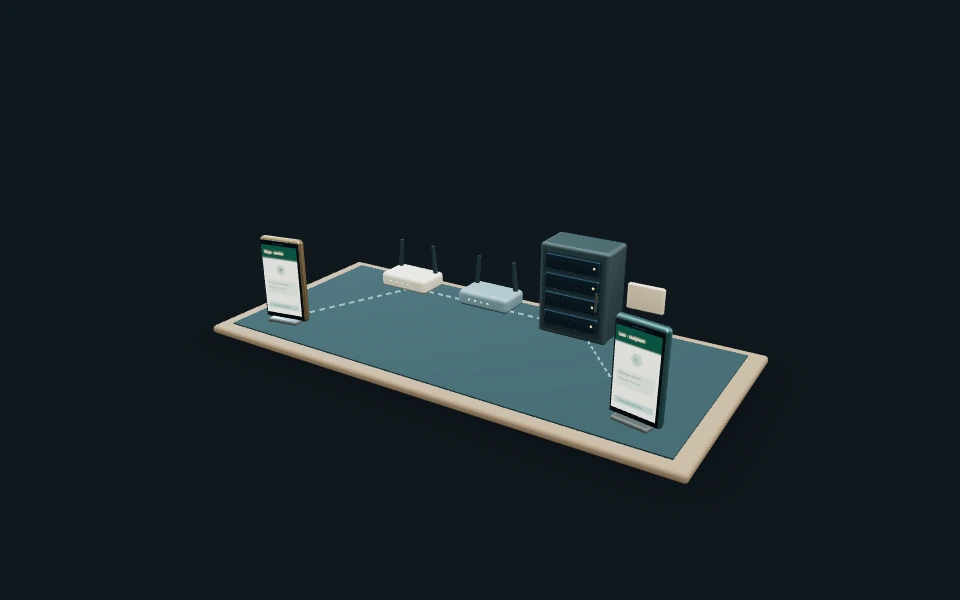 Interactive exploration
Send a fictional note, become a network observer, and open the layers for which you have a key. Compare protected connections, end-to-end encryption and a VPN using real browser cryptography.
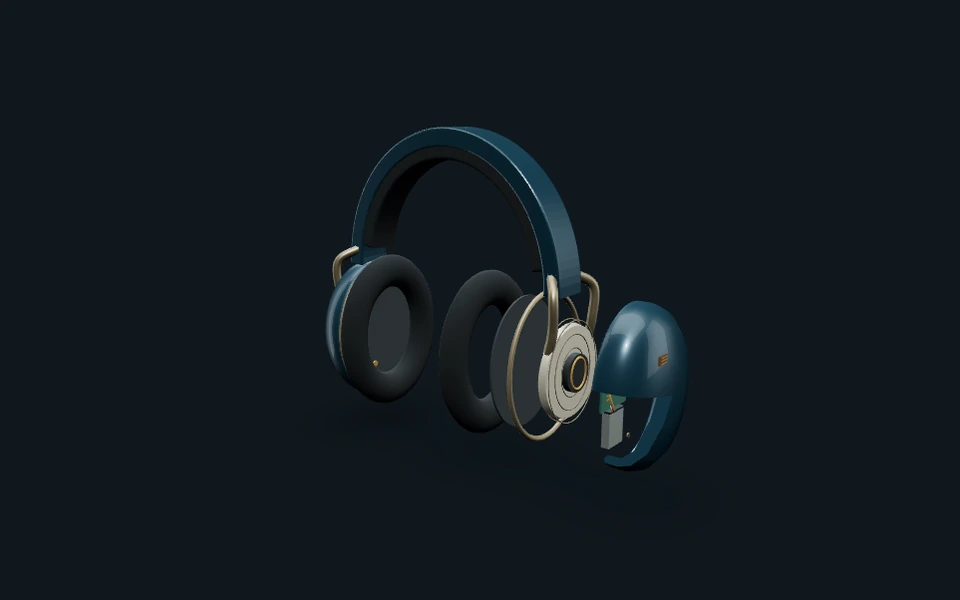 Interactive exploration
Open a headphone, line up two pressure changes, then keep your setting while the sound changes. Discover why timing, microphones and location matter—and inspect a real measured acoustic path.
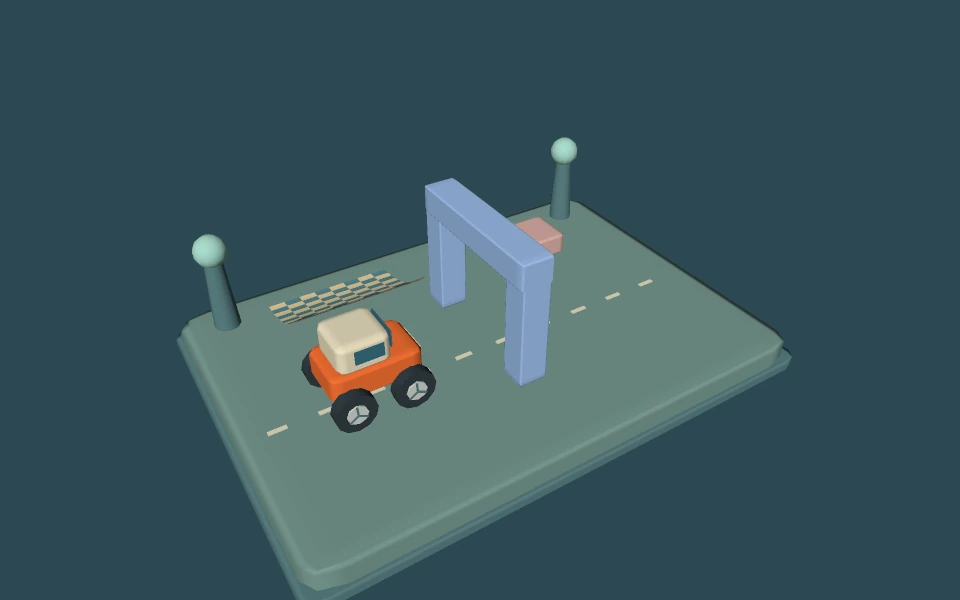 Interactive exploration
Drive an original little rover behind an arch, turn the camera, and open one pixel of the actual picture. Discover which triangle wins, where its color comes from, and what changes when you add more samples.
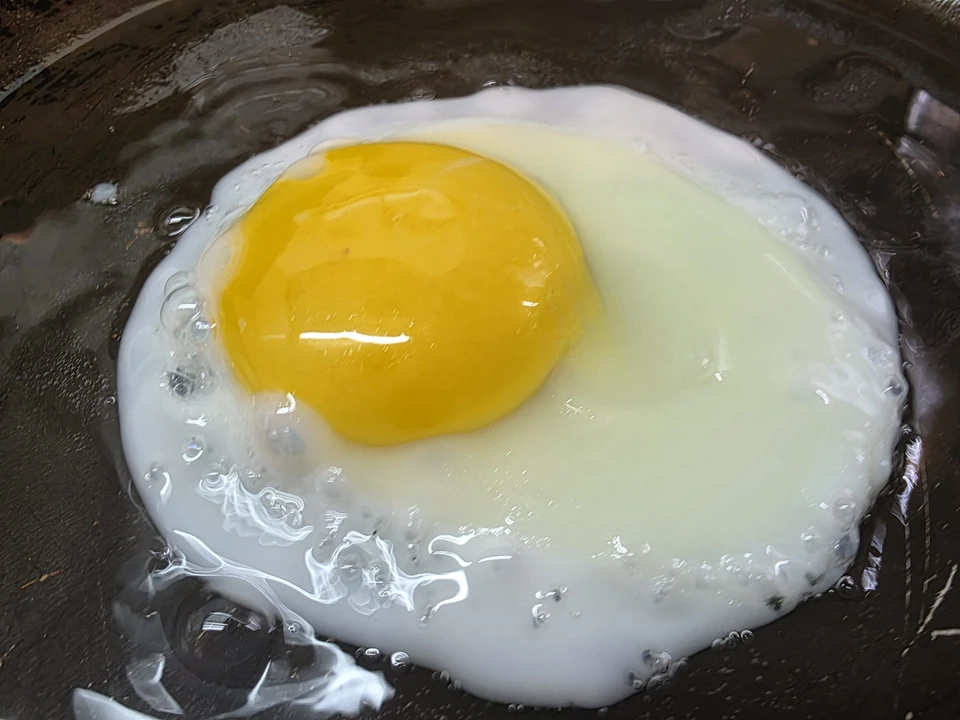 Interactive exploration
Tilt a plate, press a sample, and tug the connections that help a cooked egg hold together. Inspect a real ovalbumin structure, compare source-defined laboratory holds, and uncover what an experimental photograph actually shows.
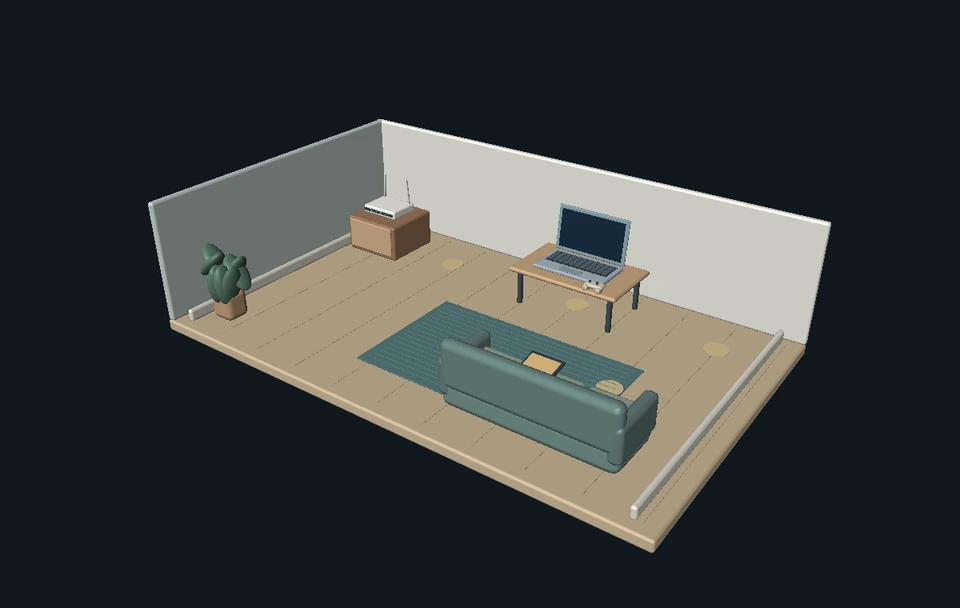 Interactive exploration
Press jump on an original game, open the room around it, and discover where a reply spends its time. Share the radio with a tablet, inspect tiny waiting intervals, and compare a teaching signal model with real laboratory evidence.
 Interactive exploration
Match two kinds of fiber to the microbes that can use them. Look through a bacterial surface, inspect a real enzyme holding a sugar chain, and sort the different kinds of products that microbes can make.
Interactive explorationBegin with a real view from the space station. Then prepare two glowing populations, make collisions matter, and discover how atmospheric light, particle energy and a camera’s record fit together.
 Interactive exploration
Peel a familiar-looking message away from its destination. Take apart real URL structure, compare passwords, codes and passkeys, and discover why checking through a known route changes the evidence.
 Interactive exploration
Slice into two teaching doughs, follow gas as it is made, kept or lost, and discover the microbes and chemistry behind rising bread. Inspect real microscopy and a yeast enzyme.
 Interactive exploration
Tip a virtual platform under a real 3D ankle. Discover why one muscle gets more drive while its partner gets less, follow the spinal circuit, and change one connection to see the difference.
 Interactive exploration
Slide a texture beneath a finger. See the contact change, compare a moving touch with a steady one, and zoom from skin to a real sensing protein. Discover how touch differs from pain.
 Interactive exploration
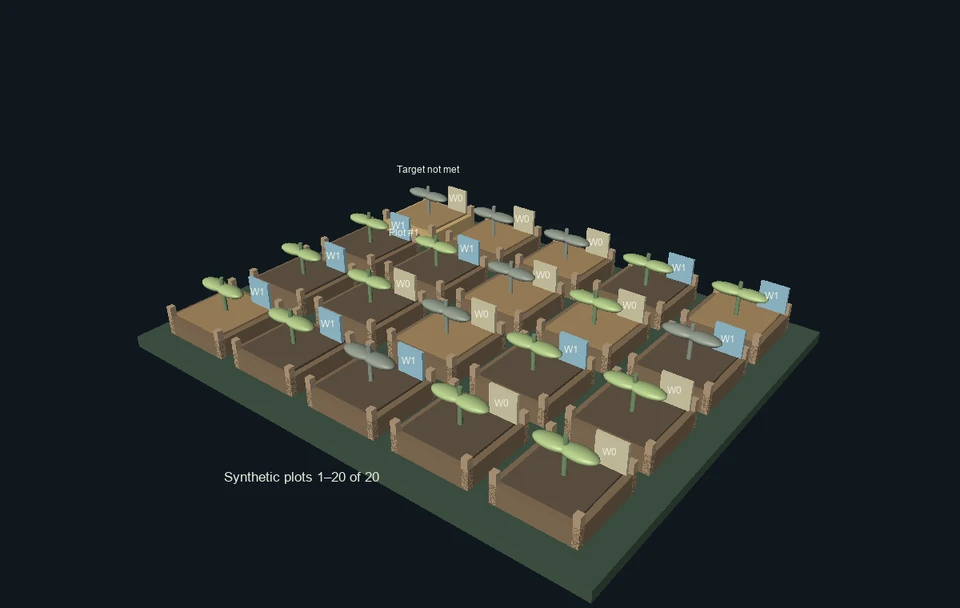
Investigate a virtual garden. Change who receives an assignment card, uncover a hidden starting difference, run fair trials and discover why a pattern alone cannot settle what caused it.
 Interactive exploration
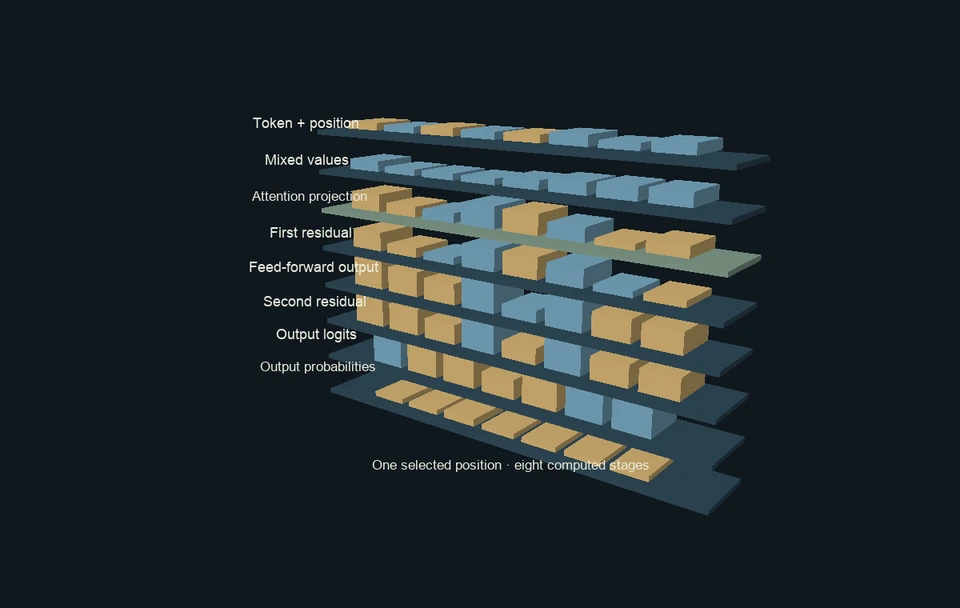
Open a genuinely trained miniature Transformer. Change token tiles, inspect real attention and vector calculations, sample a continuation, and test the limits of a confident prediction.
 Interactive exploration
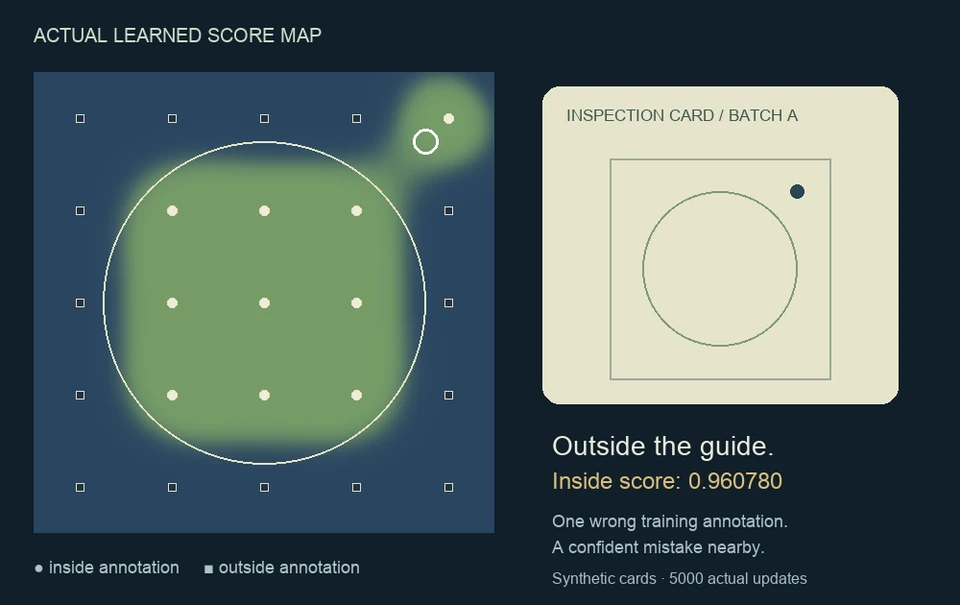
Train a real classifier on editable inspection cards. Reveal a confident mistake, repair a misleading shortcut, and freeze your model before opening its reserved test.
 Interactive exploration
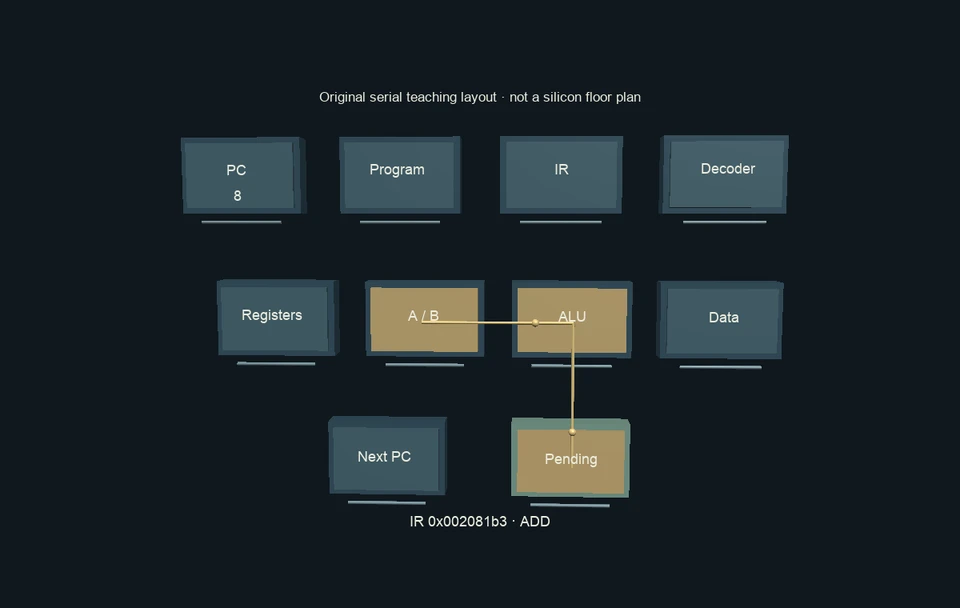
Write a tiny real assembly program, watch values move through a processor’s logical parts, and stop at the instant an answer becomes stored state.
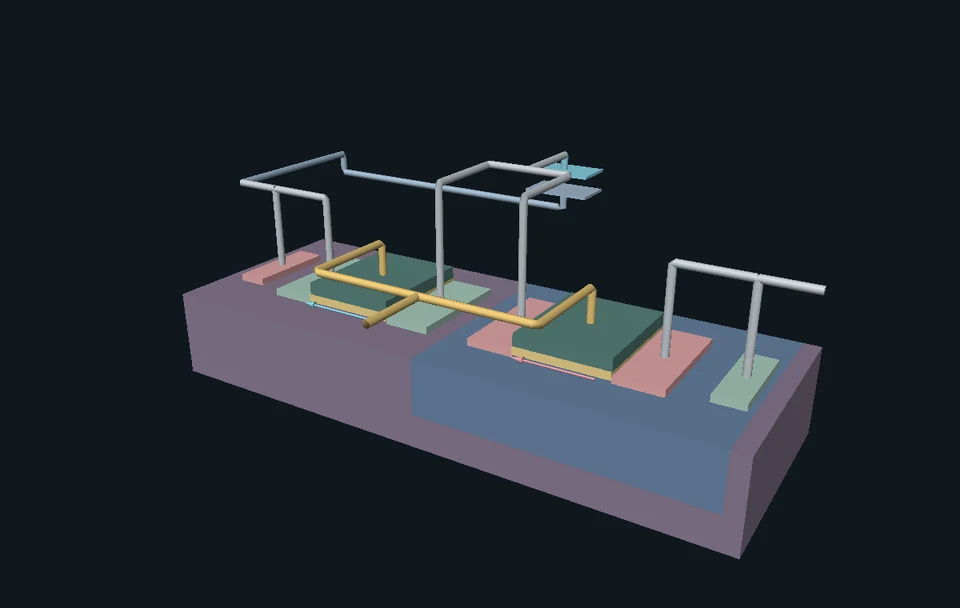 Interactive exploration
Inspect a connected CMOS cutaway, build a channel, find a circuit’s operating point and follow the charge and energy behind a changing bit.
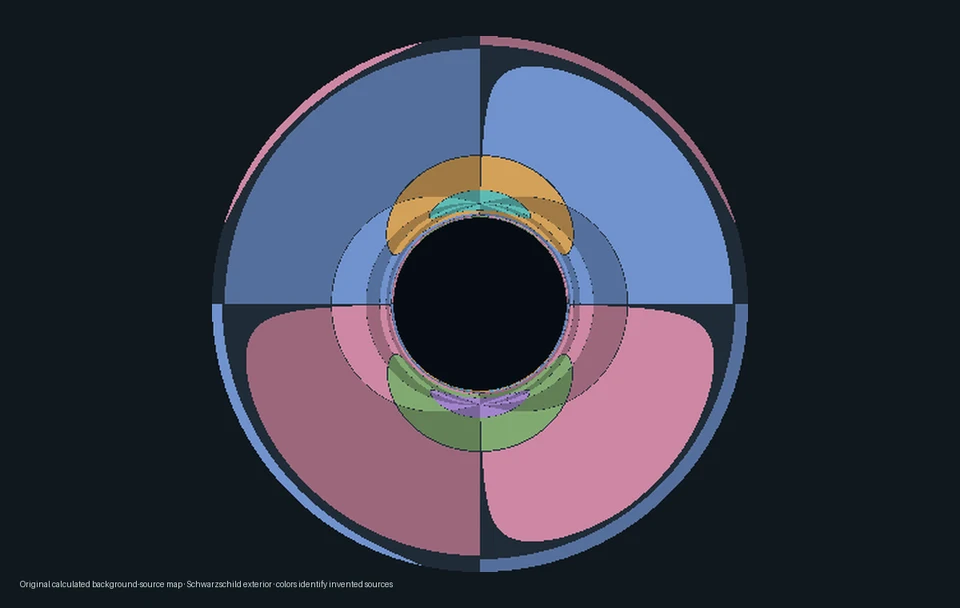 Interactive exploration
Inspect the real EHT observation, then choose a direction in a calculated light map. Follow its exterior path, find its source and reveal two images of one tiny patch.
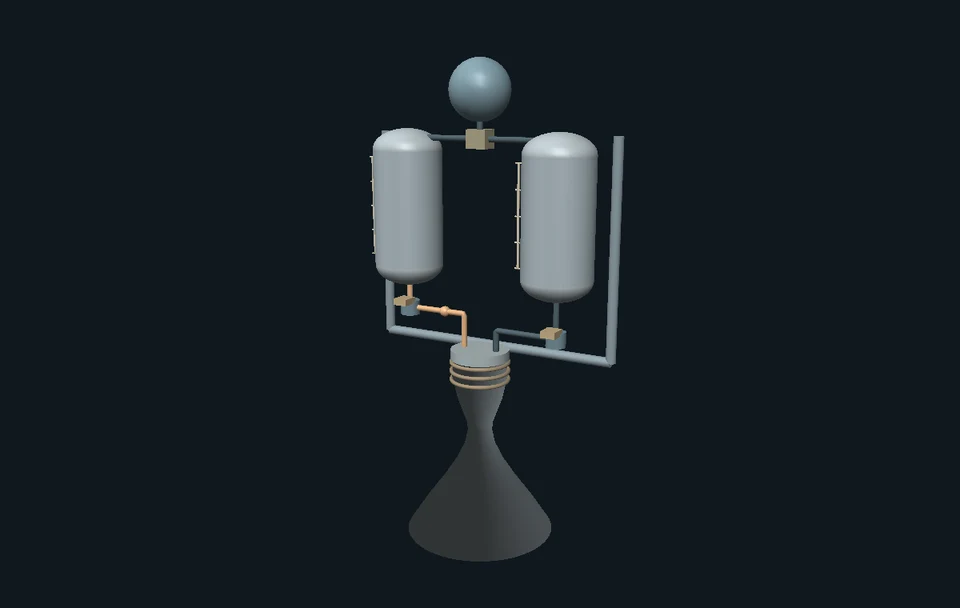 Interactive exploration
Open a generic engine, follow what it carries and keep every bit of expelled mass in the story. Change who measures the motion, balance the thrust terms and discover what staging actually changes.
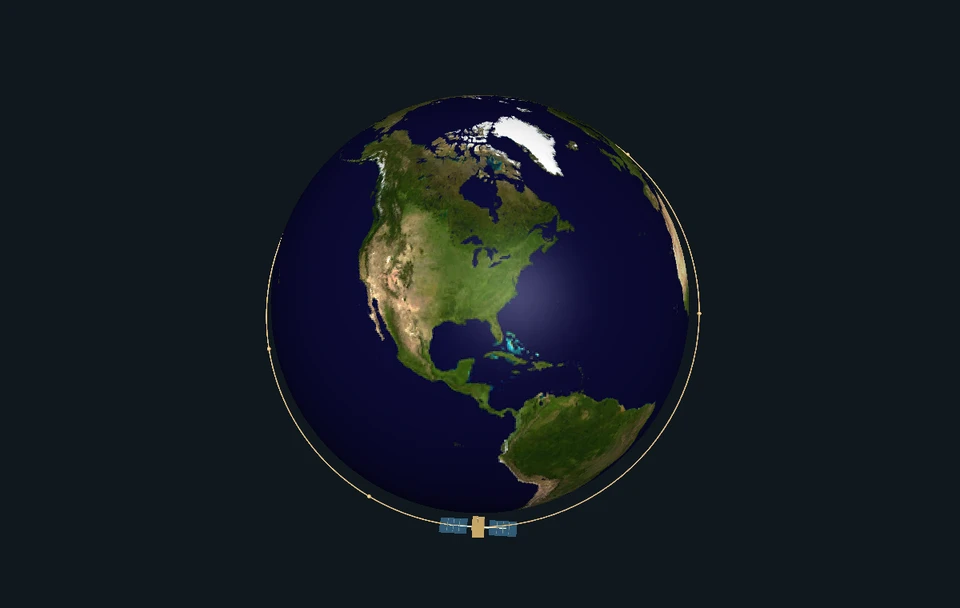 Interactive exploration
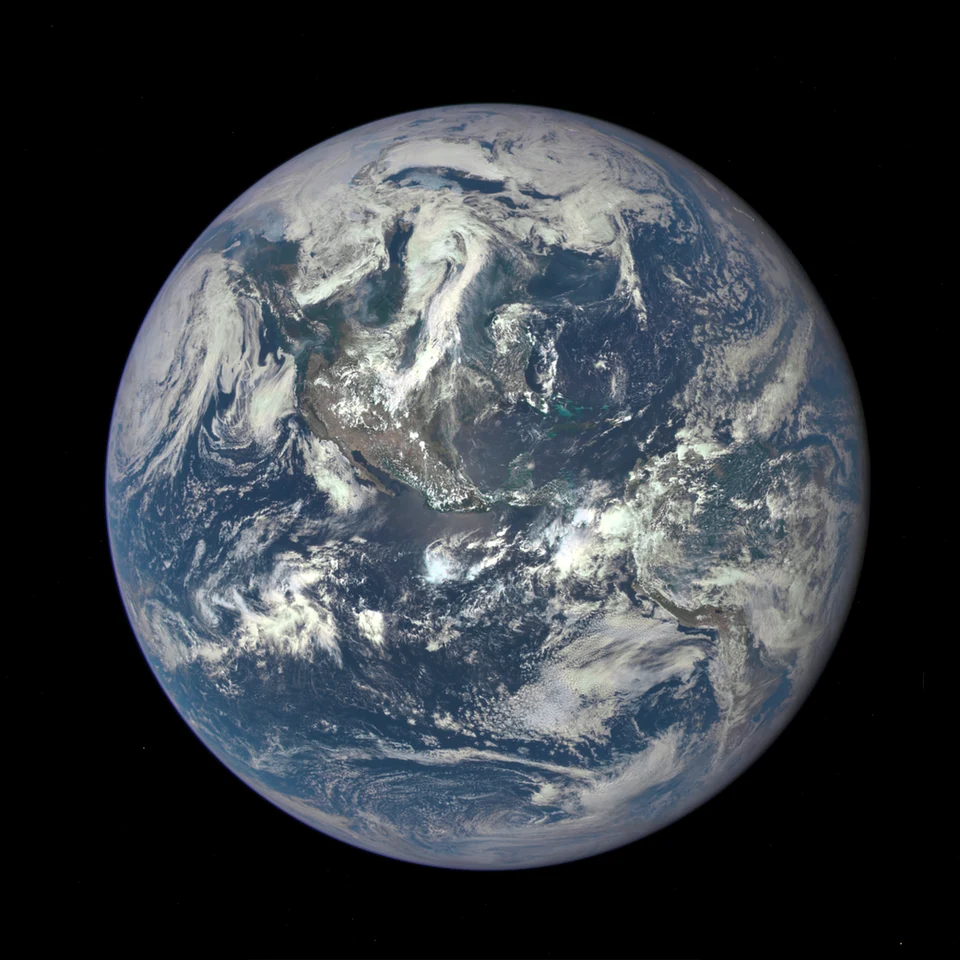
Draw a velocity arrow, predict a path and compare two spacecraft on one clock. Follow a real NASA Earth map, inspect the next moment of free fall and discover why speed alone cannot make a circle.
 Interactive exploration
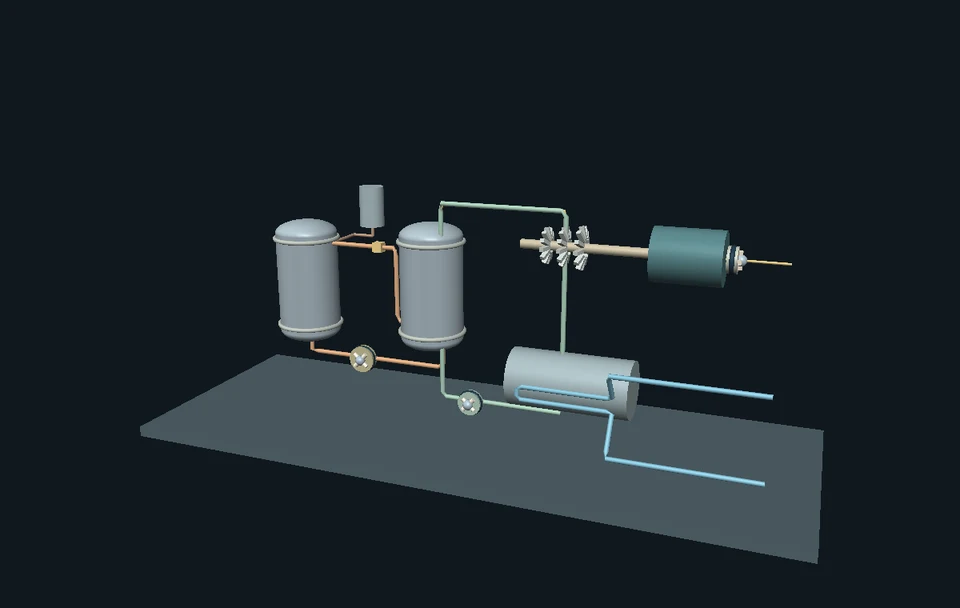
Look through a power plant, follow three separate water routes and trace energy across their walls. Balance the energy account, then investigate why a growing average can still hide empty trials.
 Interactive exploration
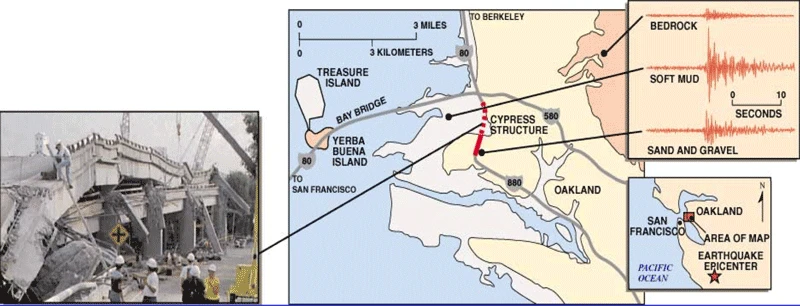
Watch waves emerge from a buried source, pick synthetic arrivals and reveal the location one clue at a time. Test the clocks, depth and velocity assumptions—and compare the model with real recorded evidence.
 Interactive exploration
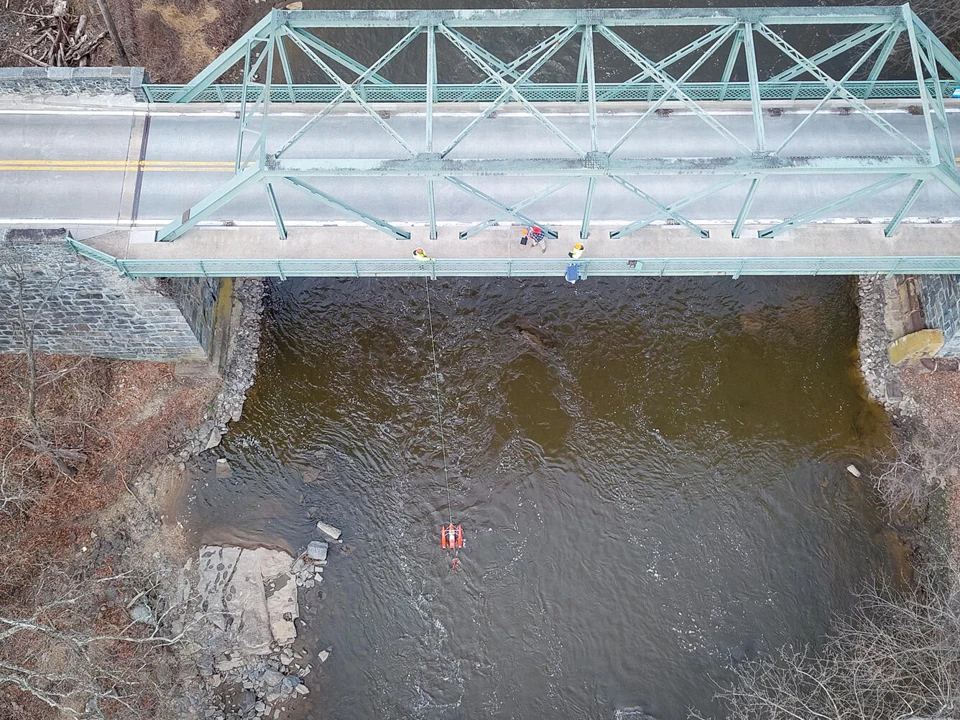
Move a load across an inspectable steel truss. Lift its deck, catch a diagonal changing from push to pull, repair a missing restraint and follow forces all the way to the supports.
 Interactive exploration
Freeze two model temperatures, change infrared transfer and release time. Follow every energy route, move the accounting boundary and compare the model with real atmospheric evidence.
 Interactive exploration
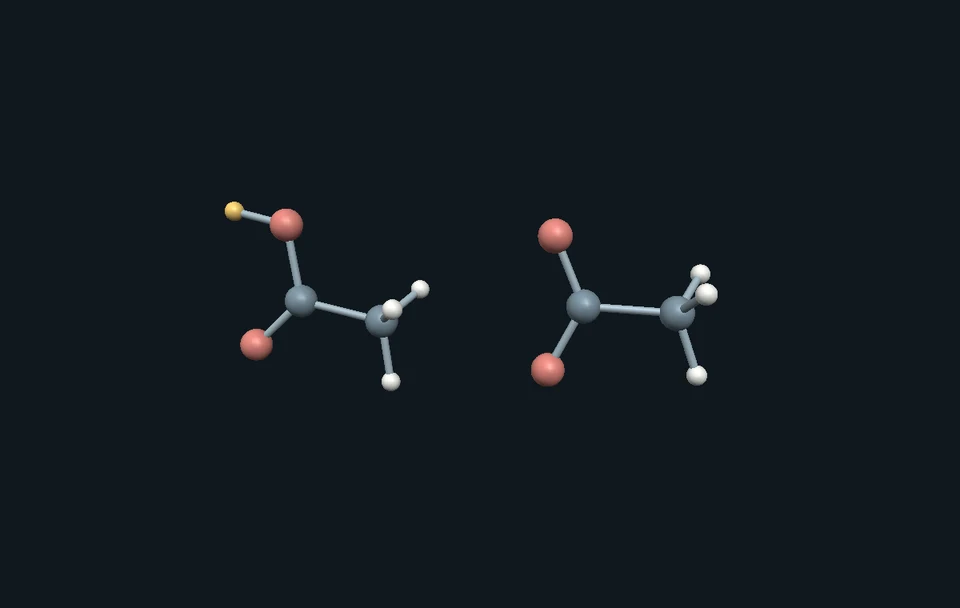
Compare a hundredfold difference, transfer a tiny aliquot, turn a virtual burette and uncover why a weak acid and a strong acid reach different pH values at equivalence.
 Interactive exploration
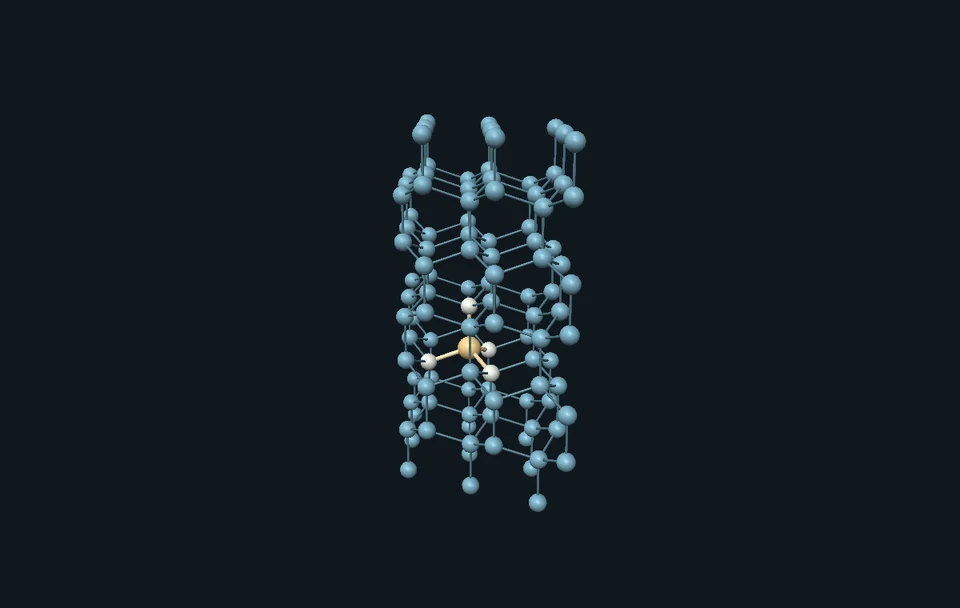
Give water an energy budget. Watch its temperature and phase masses, catch a melting plateau, compare two starting states and inspect an open ice structure.
 Interactive exploration
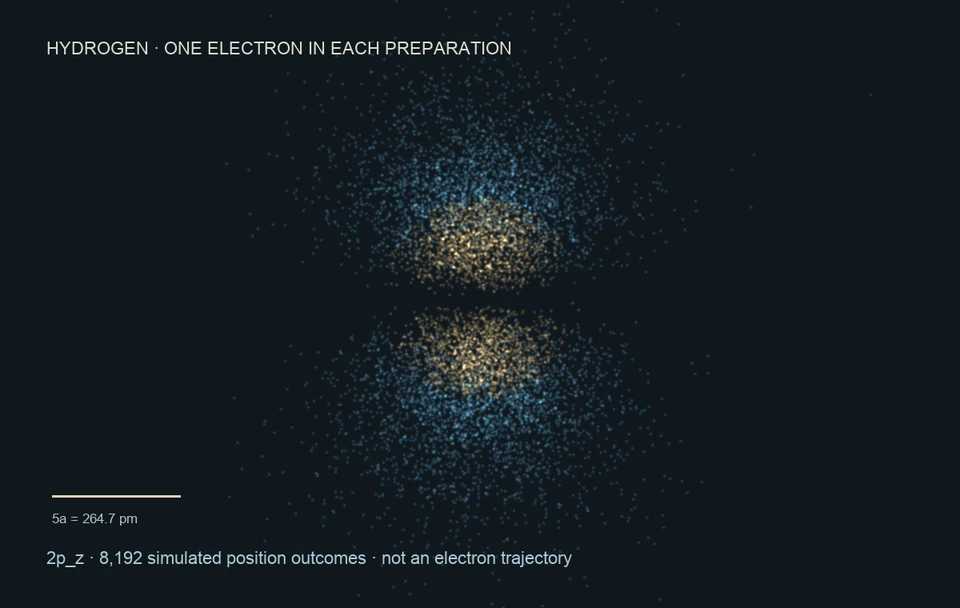
Change particle counts, pin the differences, and discover what names an element. Then prepare one-electron hydrogen states, collect possible position outcomes and match energy gaps to light.
 Interactive exploration
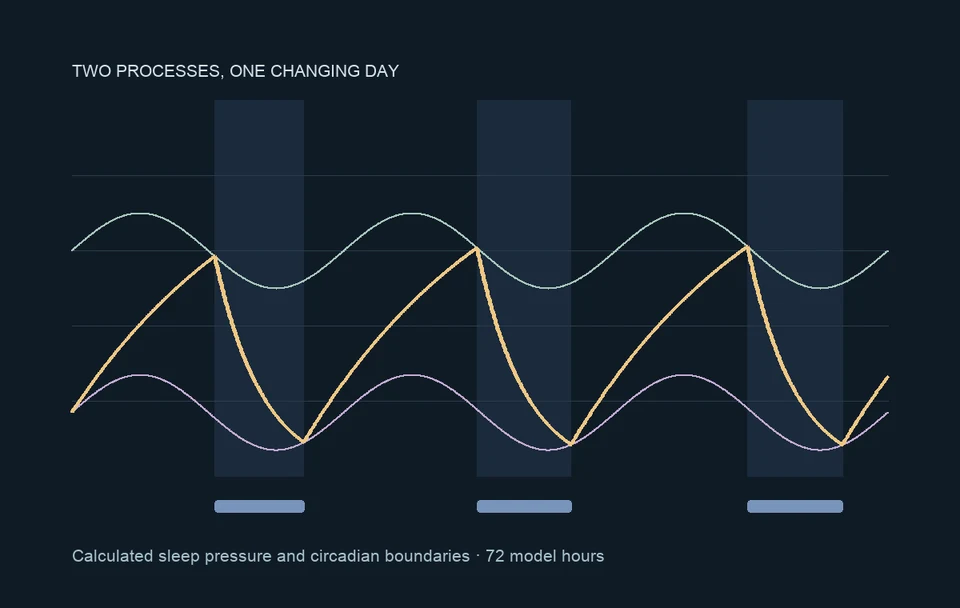
Change a fictional sleep history, catch the moment two curves meet, and separate a local clock change from a biological clock. Then follow light information from eye to brain.
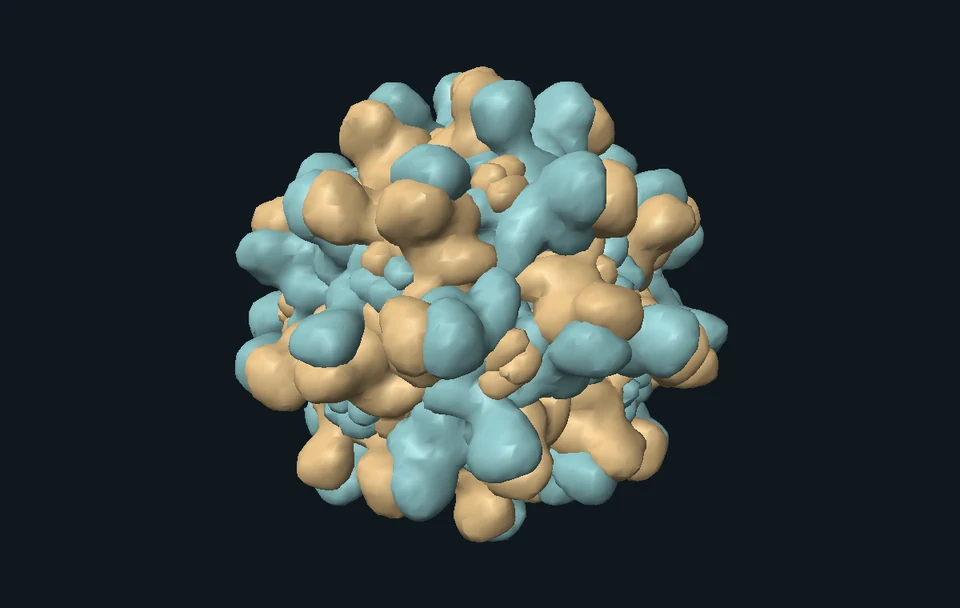 Interactive exploration
Open a protein-vaccine example, build a response with traceable cell lineages, and compare later encounters. Then follow the separate route from vaccine mRNA to a protein.
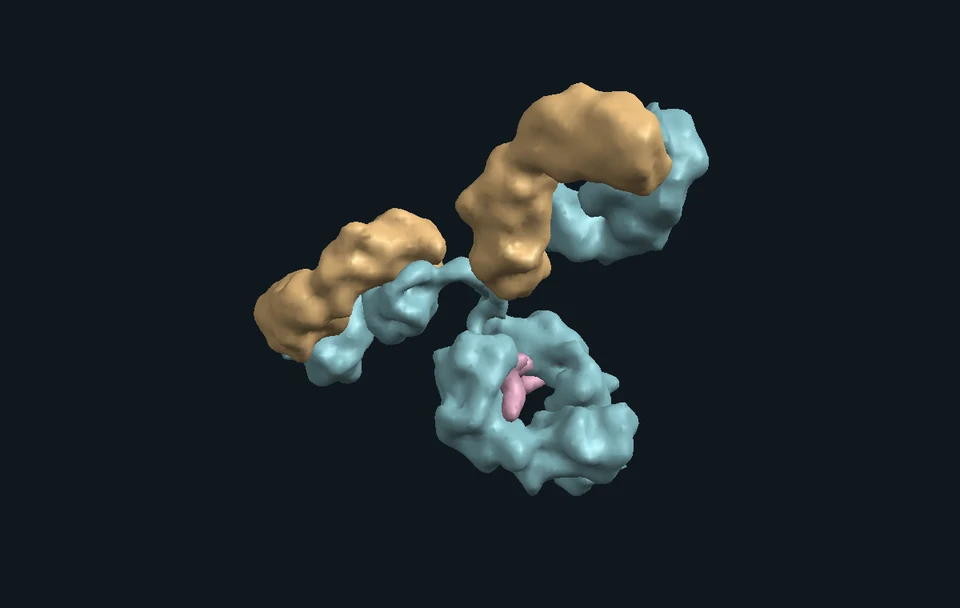 Interactive exploration
Explore how the immune system responds to an infection. Follow immune cells from skin to lymph node, inspect an antibody structure, and discover what immune memory leaves ready.
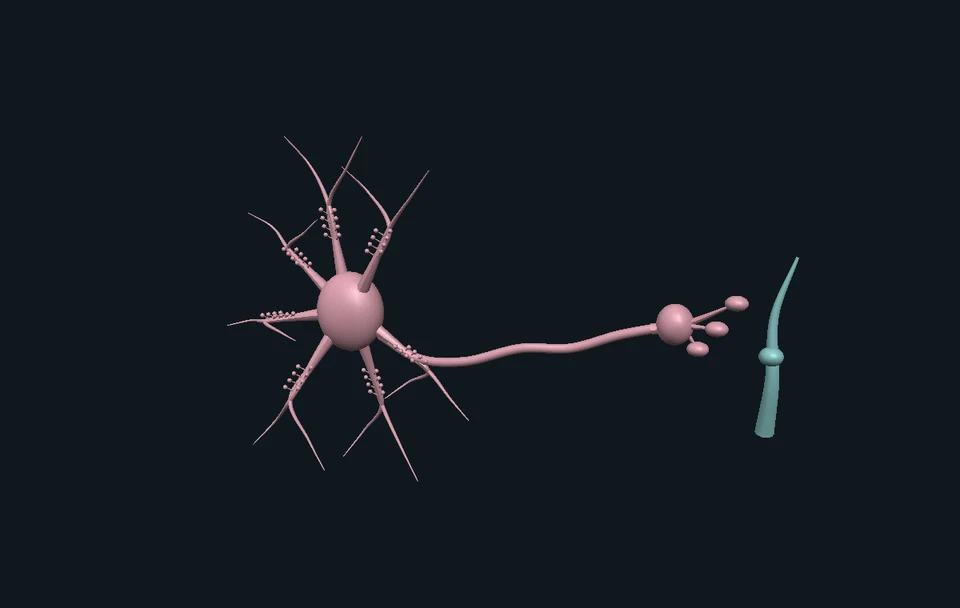 Interactive exploration
Nudge a membrane, discover when a spike appears, test its recovery, and cross a chemical synapse. Then inspect a real potassium-channel structure.
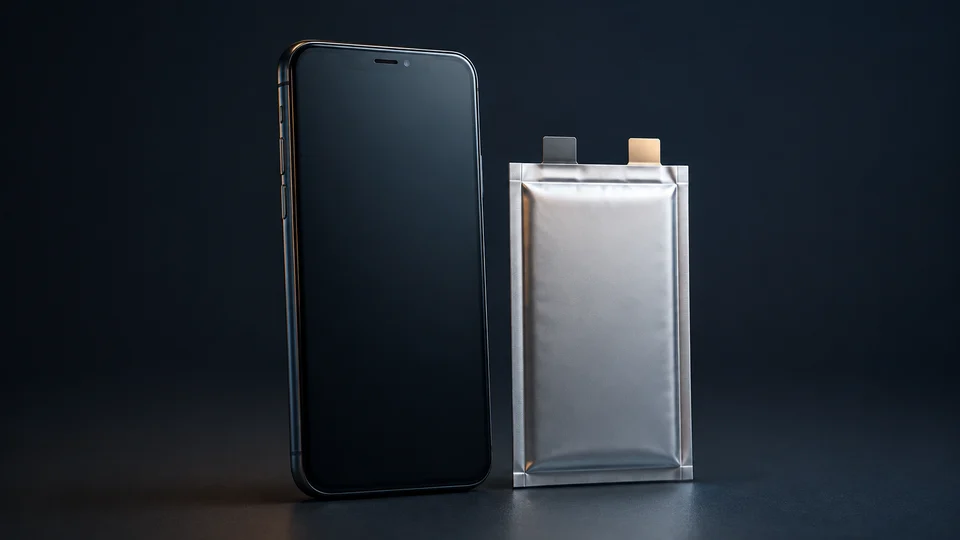 Interactive exploration
Look through a phone, separate a battery’s layers, and trace two different journeys. One happens inside the cell. The other powers the world outside.
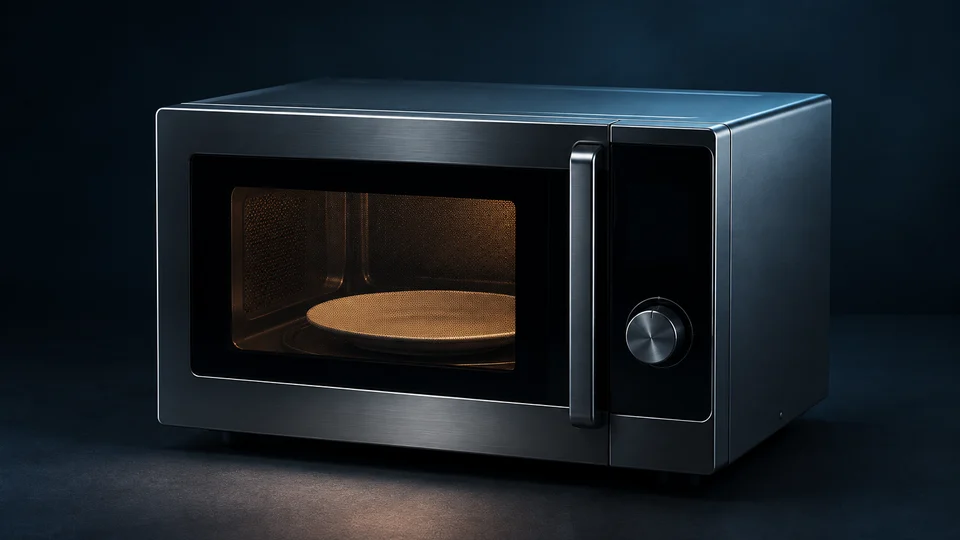 Interactive exploration
See through a closed microwave, follow a bite around the turntable, and compare where energy arrives with where heat spreads afterward.
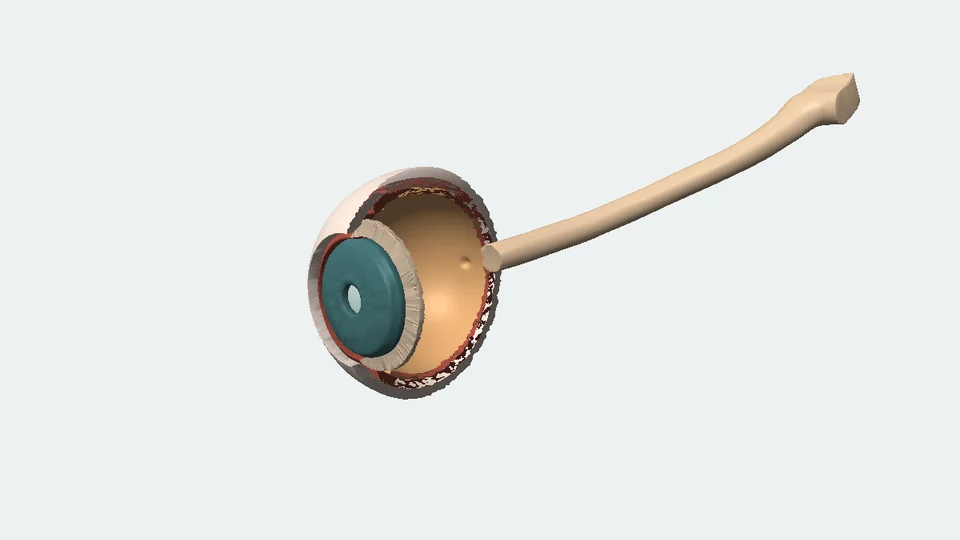 Interactive exploration
Open a sourced 3D eye, move a target nearer, and catch the moment its light comes together. Then discover why a smaller pupil is different from better focus.
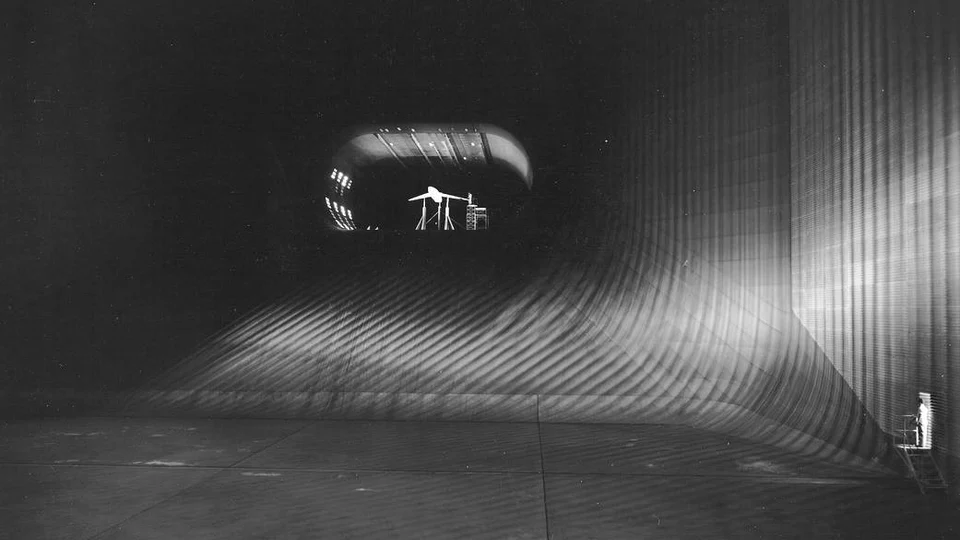 Interactive exploration
Run a virtual wind-tunnel test. Tilt a symmetric airfoil, probe both surfaces, and build the whole lift force from pressure around the wing.
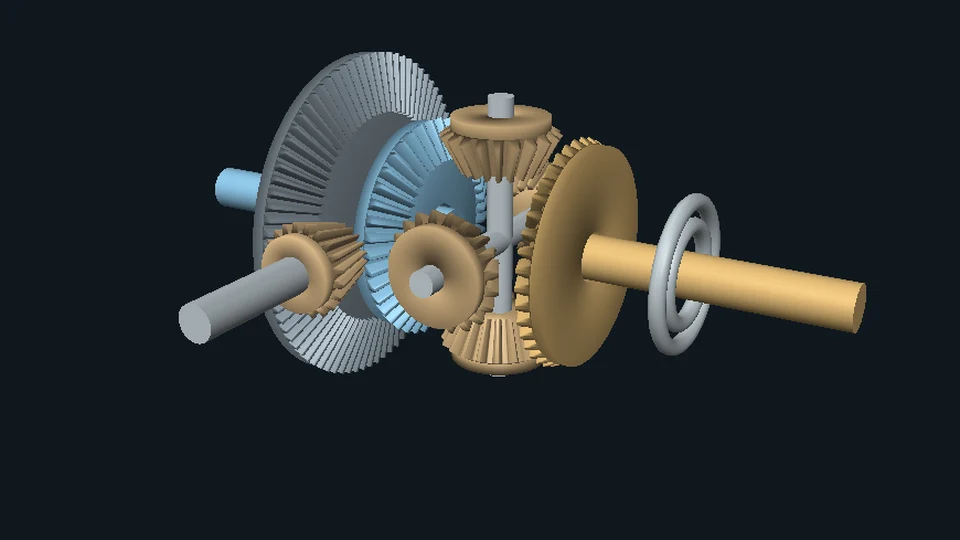 Interactive exploration
Follow a transparent car around a bend, open its rear axle, and discover how a differential shares motion, torque and a low-grip limit.
 Interactive exploration
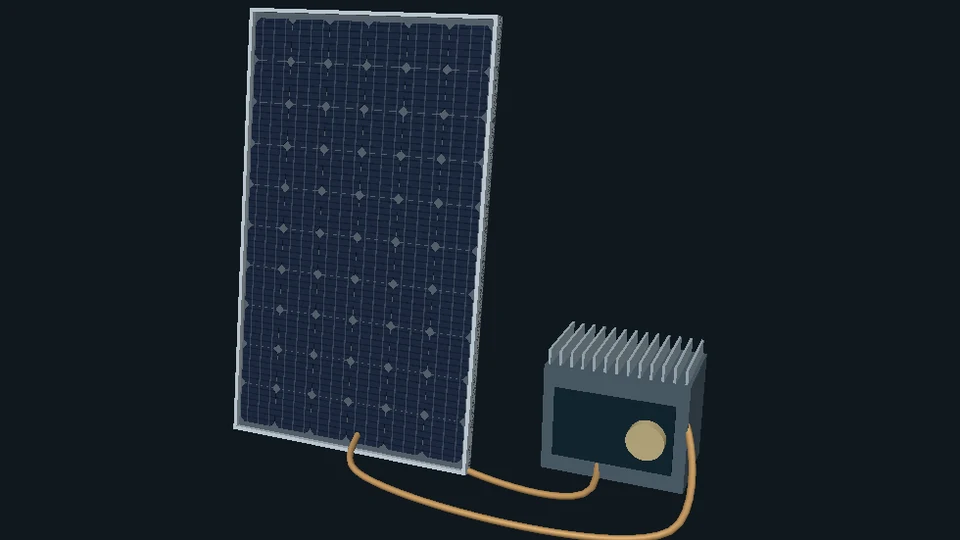
Connect a realistic module to a virtual load, look inside a silicon cell, and build a day’s energy from changing light and time.
 Interactive exploration
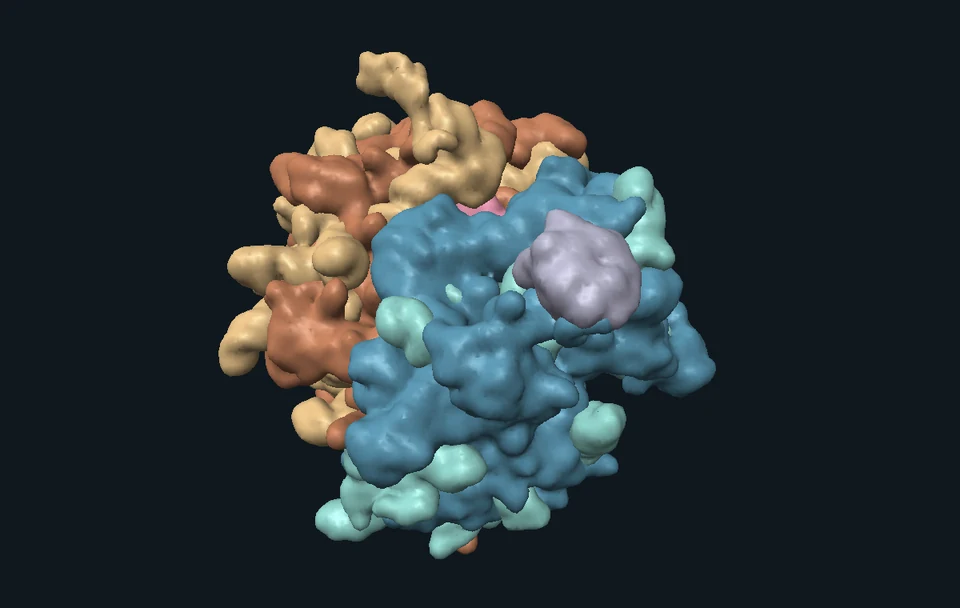
Take apart a human ribosome, follow a message three letters at a time, then change a DNA base and discover what the peptide does.
 Interactive exploration
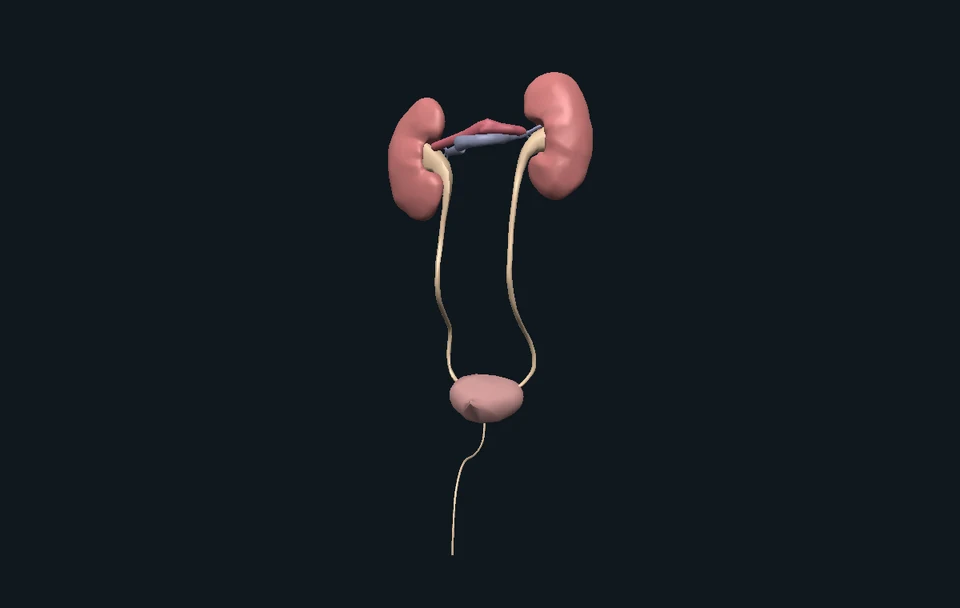
Inspect real urinary anatomy, follow a glucose marker out of blood and back again, and discover three different crossings with a ledger that never loses a marker.
Close a switch. Follow a complete path. Give current a second route and discover what changes.
Power a motor. Reverse its direction. Add a load and watch speed, current and turning force find a new balance.
 Interactive exploration
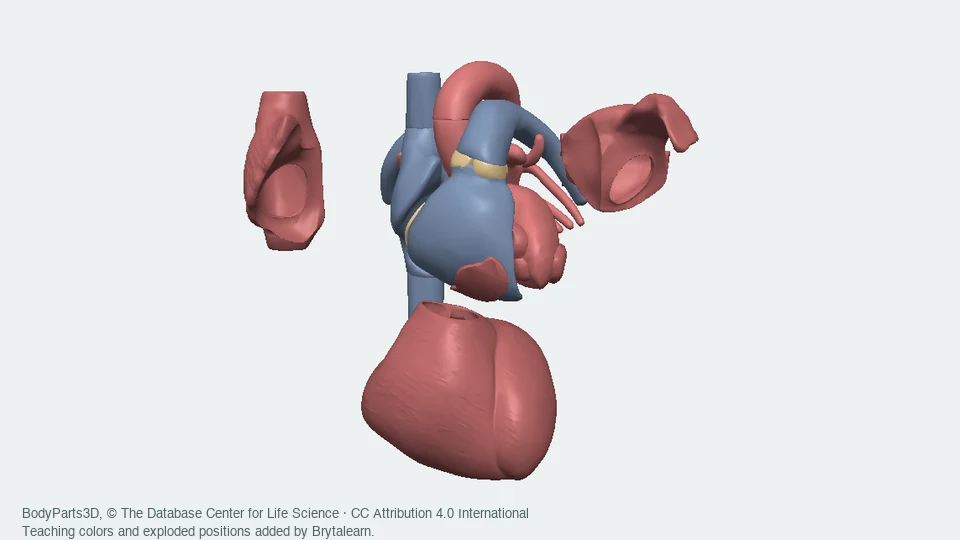
Turn a real anatomical model in your hands. Reveal its chambers, meet the four valves, then follow the blood moving through both sides of the heart.
 Interactive exploration
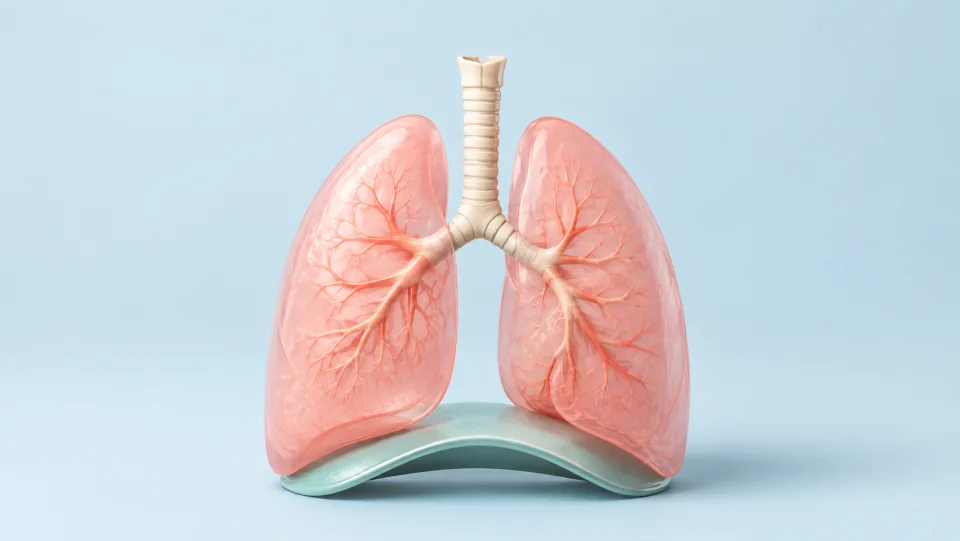
Move through a breath, connect space to airflow, then cross the tiny boundary where oxygen enters the blood.
Slide an object toward a lens. Follow the rays, find a sharp image, and discover the moment a camera becomes a magnifier.
 Interactive exploration
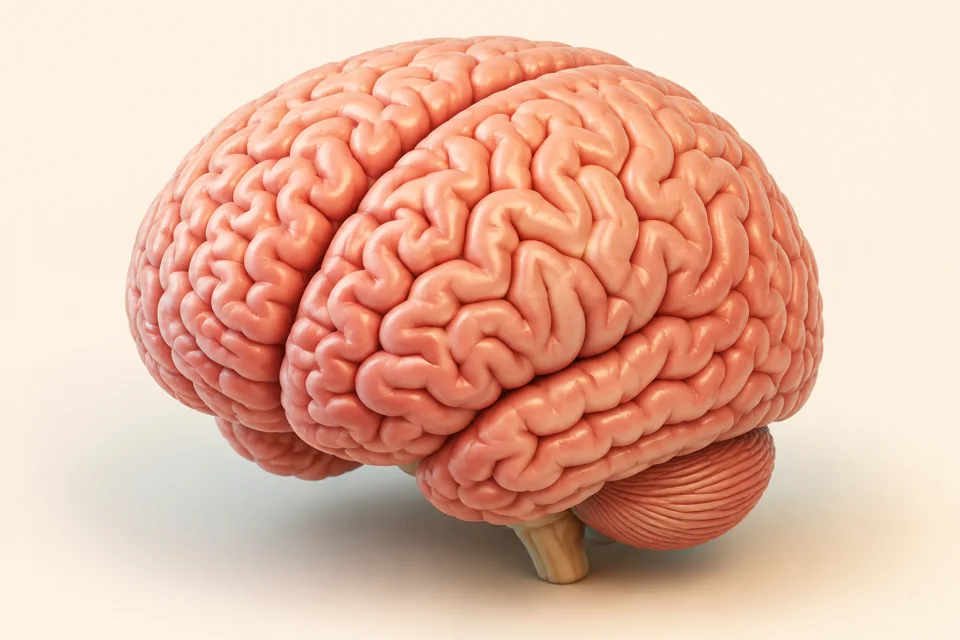
Start with a vibration. Follow air, eardrum, tiny bones and hair cells, then see why the message reaching your brain is a different kind of signal.
Send “SMALL IDEAS!” through a network. Delay a piece, lose another, and watch what the receiver can actually use.
 Interactive exploration
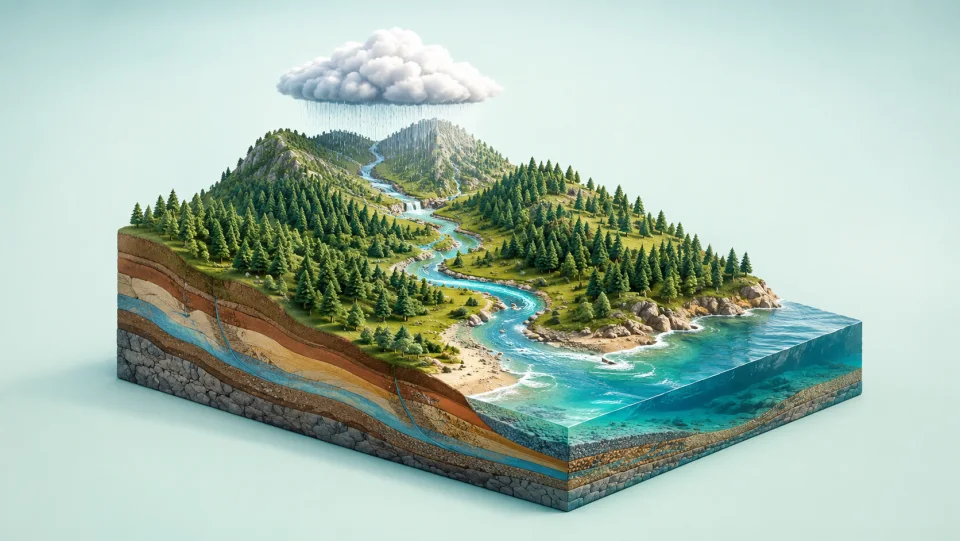
Follow water above and below the surface. Pave part of the land, change evaporation, and watch the water budget rearrange.
Release a few virtual balls, then a thousand. Change the chance of a right turn and compare the results with a mathematical prediction.
 Interactive exploration
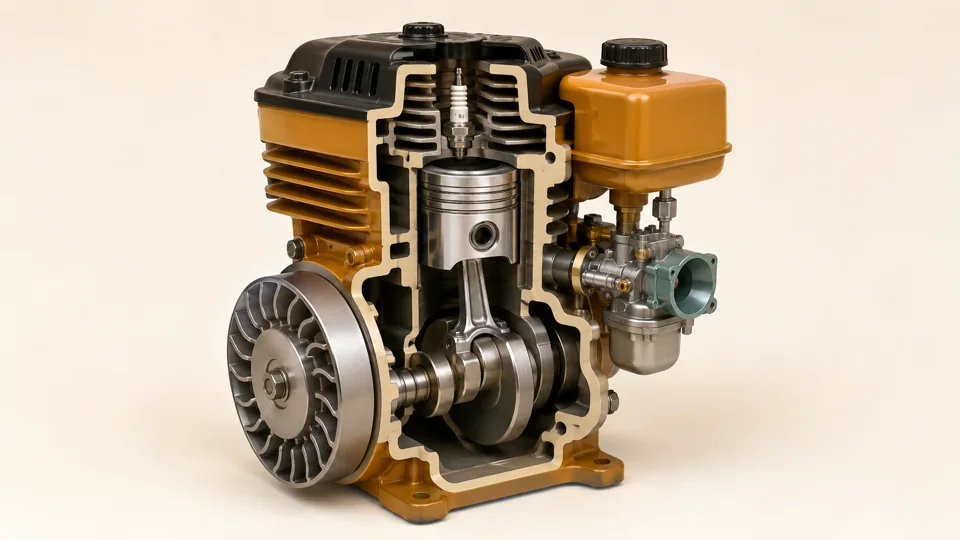
Open a detailed engine, turn its crank, and take the assembly apart. Follow four different jobs hidden inside two very similar-looking turns.
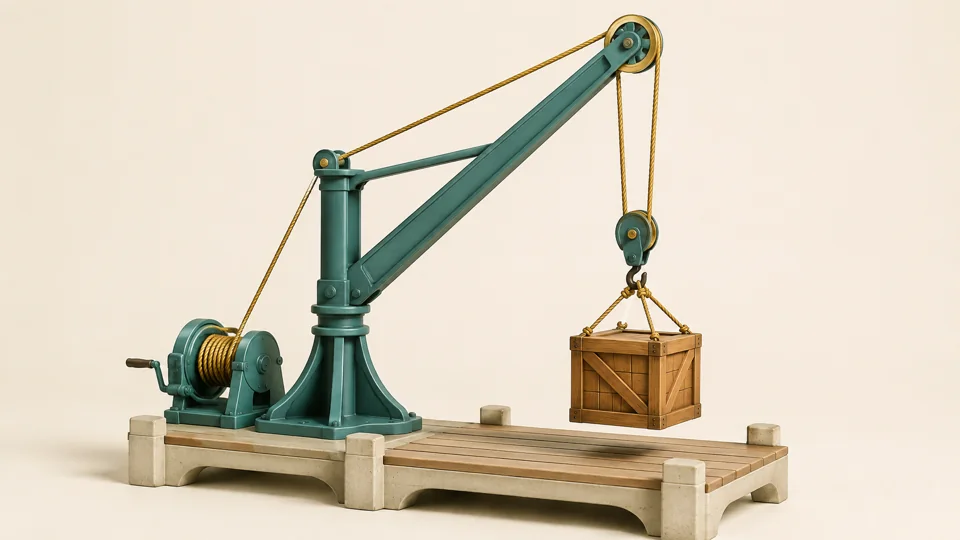 Interactive exploration
Rerig a dock crane. Pull the same length of rope, watch the crate rise, and see what you trade for an easier lift.
Move a load closer to an elbow on a transparent teaching arm. See the force change, then explore how muscles can work without visible movement.
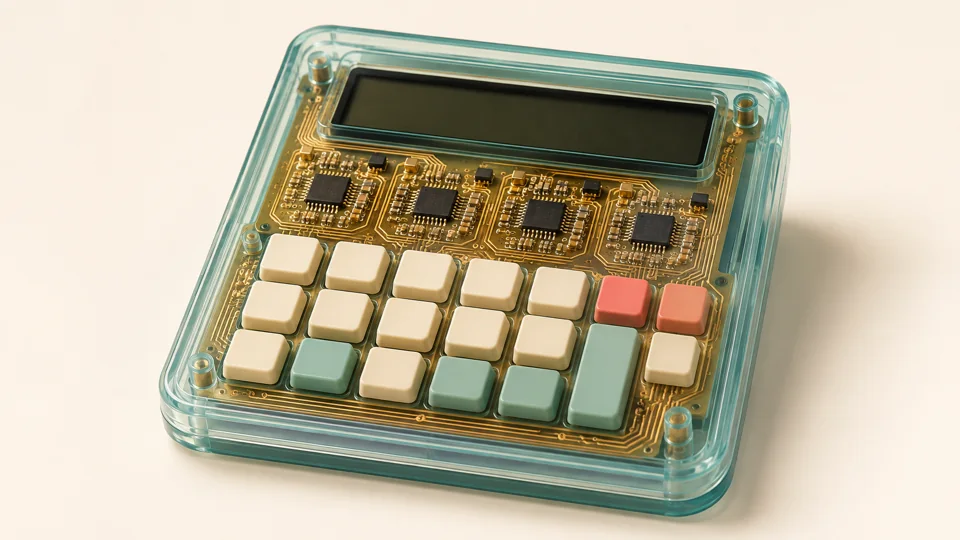 Interactive exploration
Flip real input bits on a little calculator. Build a result from simple rules, and follow a carry as it crosses four columns.
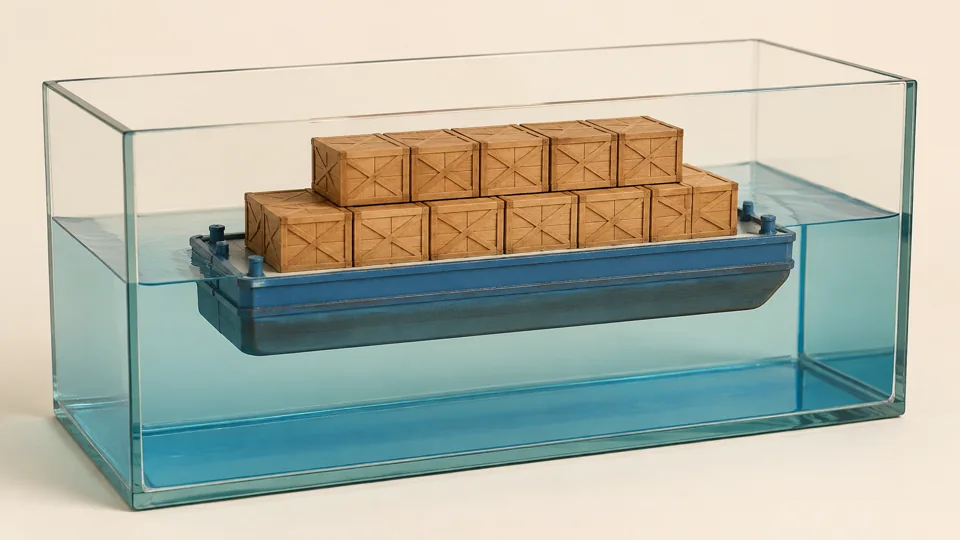 Interactive exploration
Load a tiny barge and watch its waterline rise along the hull. Then lower a block through a tank to connect water pressure with buoyancy.
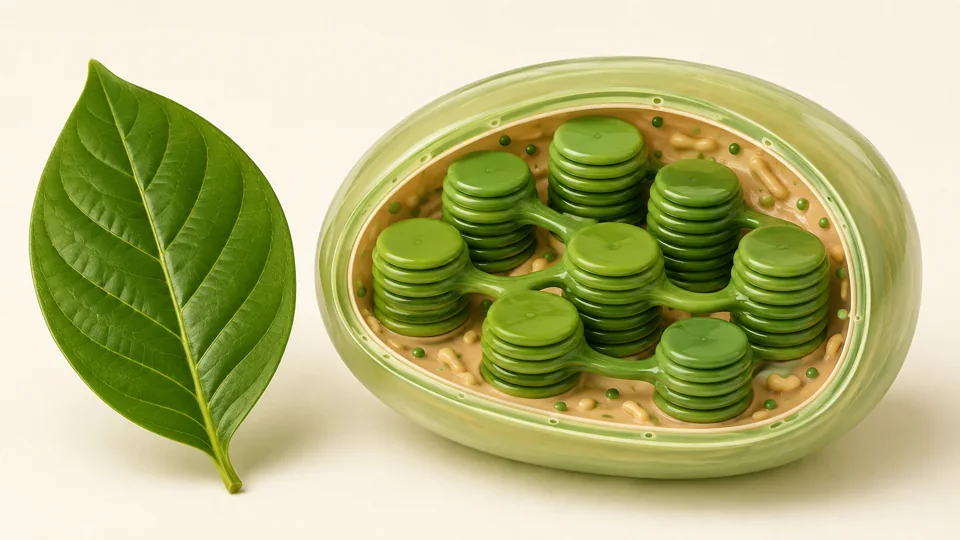 Interactive exploration
Open a leaf, explore a chloroplast, and supply a tiny carbon-building recipe. Discover what comes from air, what comes from water, and what light contributes.
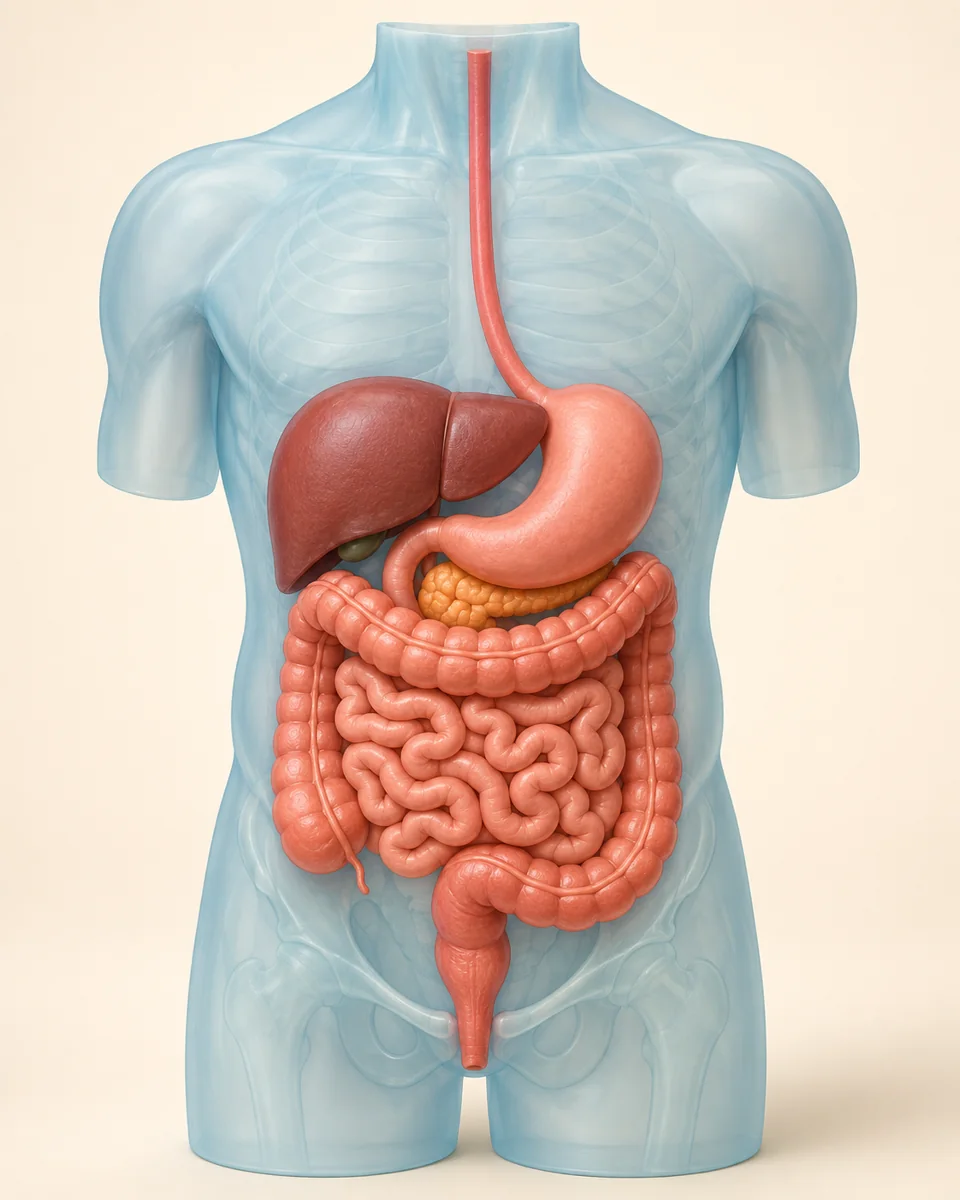 Interactive exploration
Follow a meal through the gut, then zoom into its lining. Choose starch, protein or long-chain fat and discover why their next routes differ.
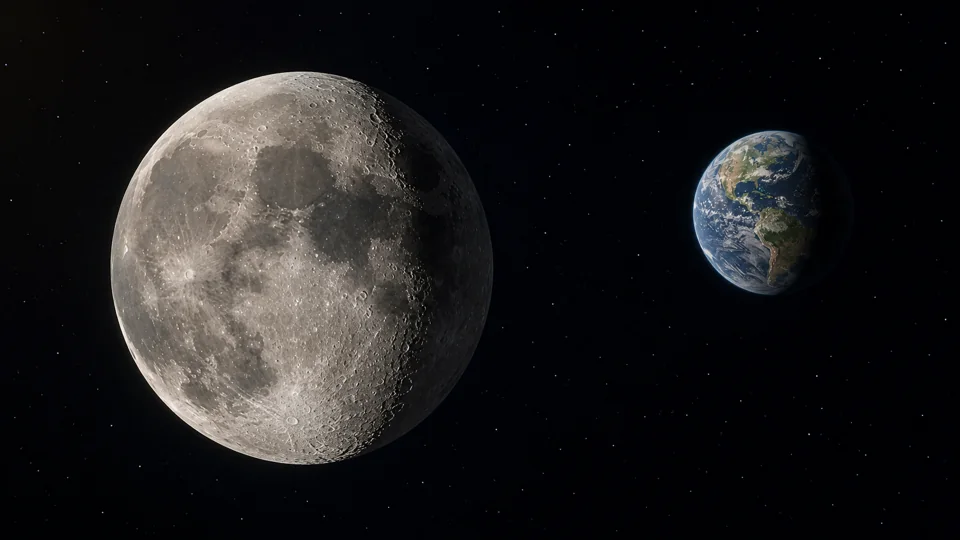 Interactive exploration
Move the Moon around Earth and compare two viewpoints at once. Make a crescent, then tilt the orbit to discover why an eclipse is a special alignment.
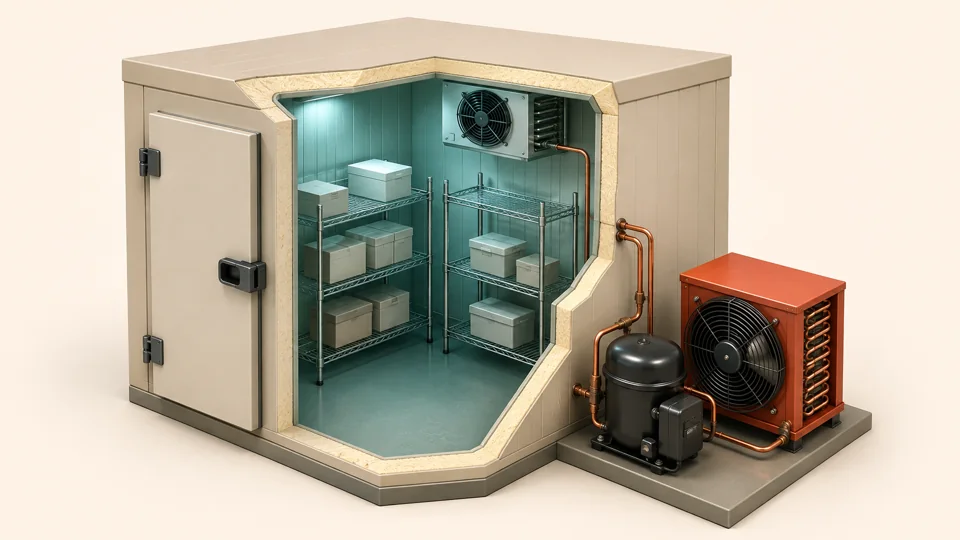 Interactive exploration
Look through a cold room and follow its refrigerant loop. Count the heat removed and the work added, then try putting both sides in the same room.
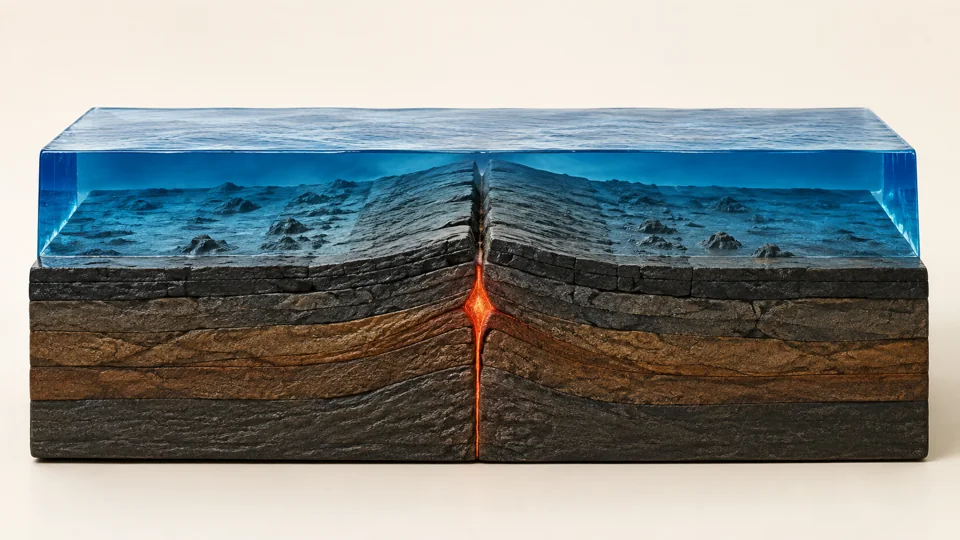 Interactive exploration
Pull a ridge apart over millions of years. Read the age and magnetic pattern left behind, then compare spreading, sliding and subduction.
 Interactive exploration
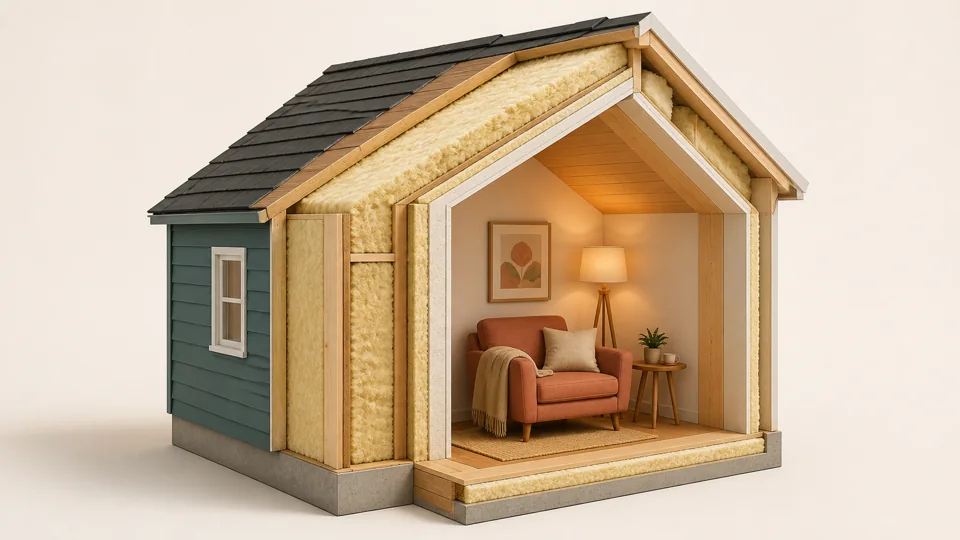
Open a house wall. Swap its added layer, make it thicker, and reverse the temperatures to see why insulation helps in winter and summer.
Change a real part of the experiment and watch what follows.
Connect the surprise to its name, its mechanism, and the science.
Explore sources, model assumptions, and the current review status.