Interactive exploration
Machines & MotionHydraulic brakes
How does a little lever stop a spinning wheel?
Squeeze a hydraulic brake. See inside the caliper, change piston sizes, and discover how pressure becomes force.
Follow energy as motion is transferred, stored, or dissipated.
Background on this ideaSqueeze a hydraulic brake. See inside the caliper, change piston sizes, and discover how pressure becomes force.
 Interactive exploration
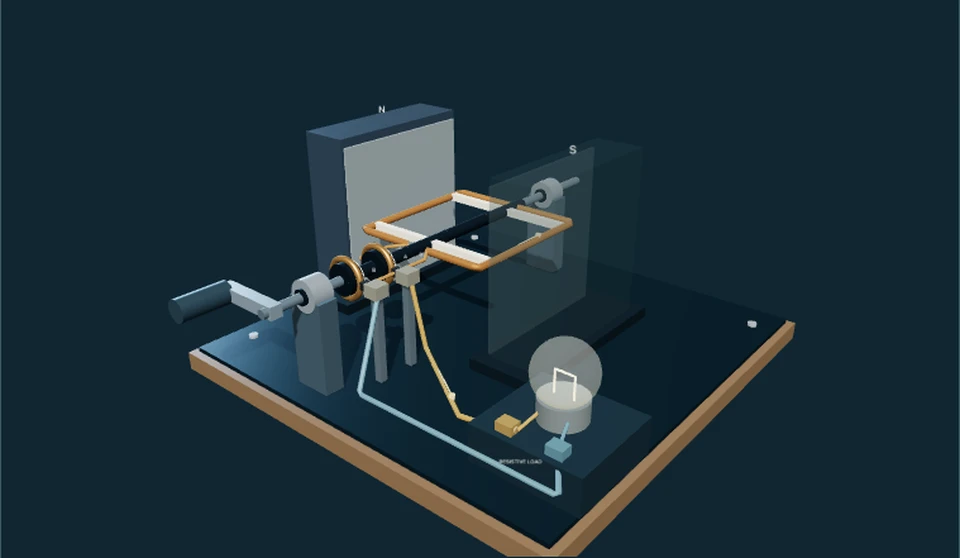
Turn a tabletop generator, unplug its lamp, and replay the same motion. Follow the voltage, the pushback and every joule to discover where electrical energy comes from.
 Interactive exploration
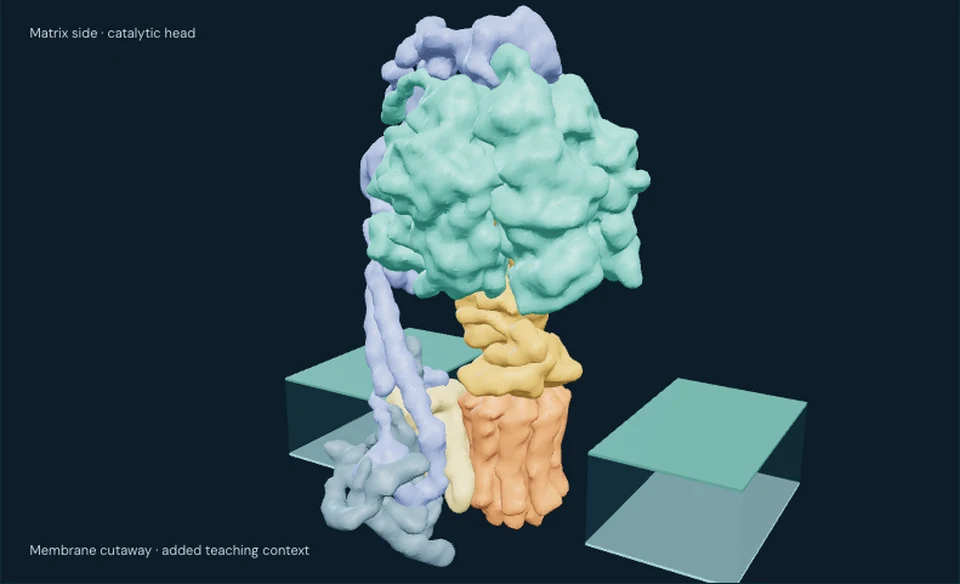
Charge a tiny membrane, disconnect its supply, and choose where the stored driving force goes. Discover how cells couple fuel chemistry to ATP—and why a bypass changes the result.
 Interactive exploration
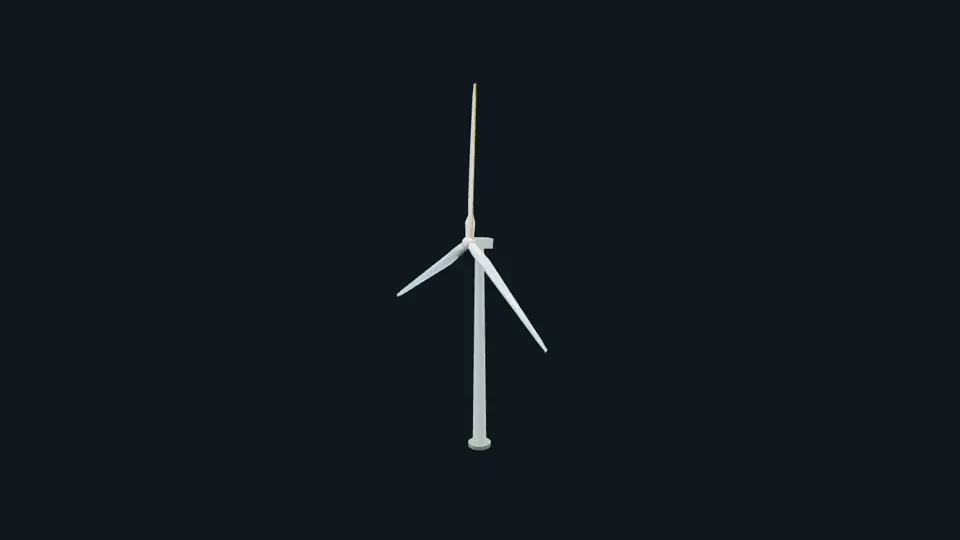
Turn a source-shaped blade, change the generator load and follow the energy. Discover why pitch, torque and speed must work together—and compare a model with a real wind-tunnel experiment.
 Interactive exploration
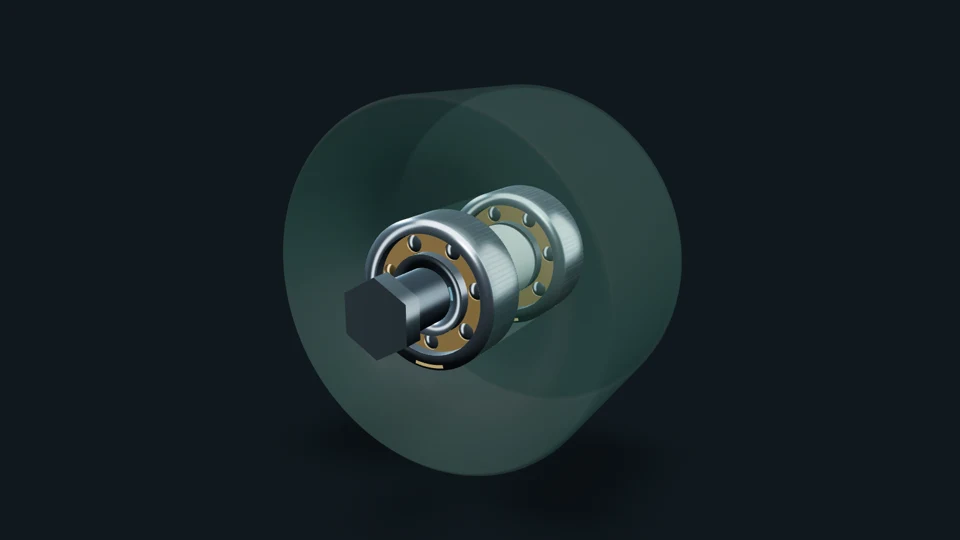
Make a wheel see-through, follow a marked ball and test which motions can roll. Then discover why a longer spin does not always mean less friction.
 Interactive exploration
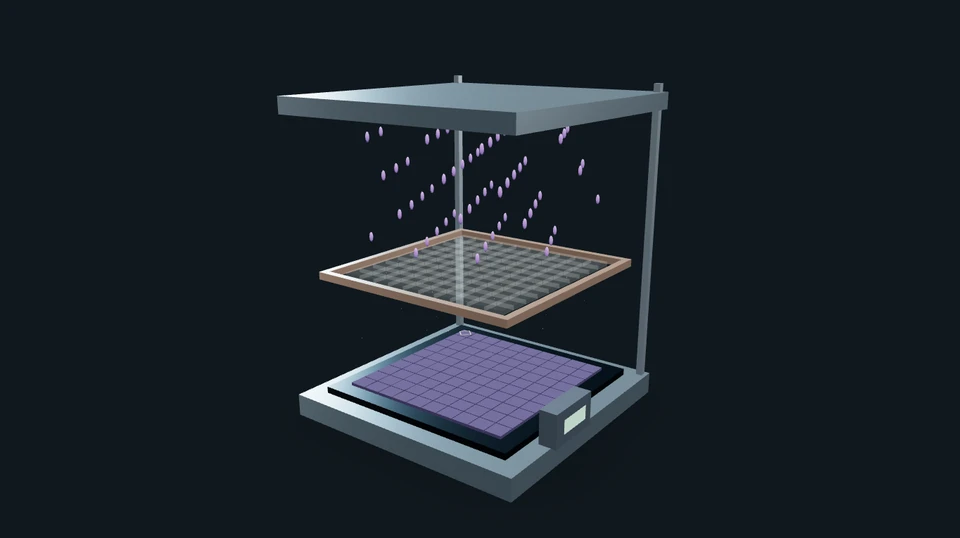
Build a virtual light filter, uncover a missing patch, explore real skin microscopy and inspect a DNA structure. Discover why visible light and warmth cannot tell the whole story.
 Interactive exploration
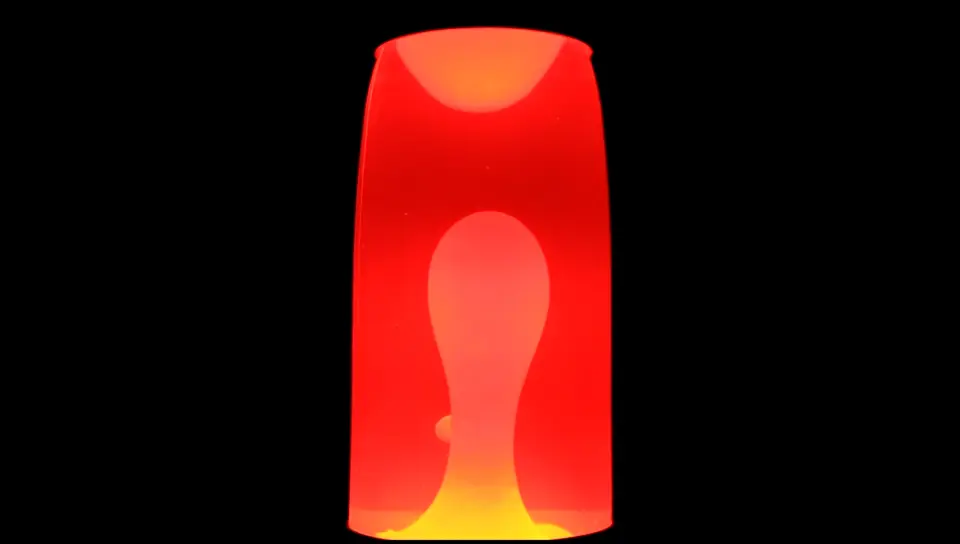
Watch real lava-lamp footage, then release a model blob. Discover why it can rise while cooling, hold it without stopping heat flow, and change the conditions until its journey stops.
 Interactive exploration
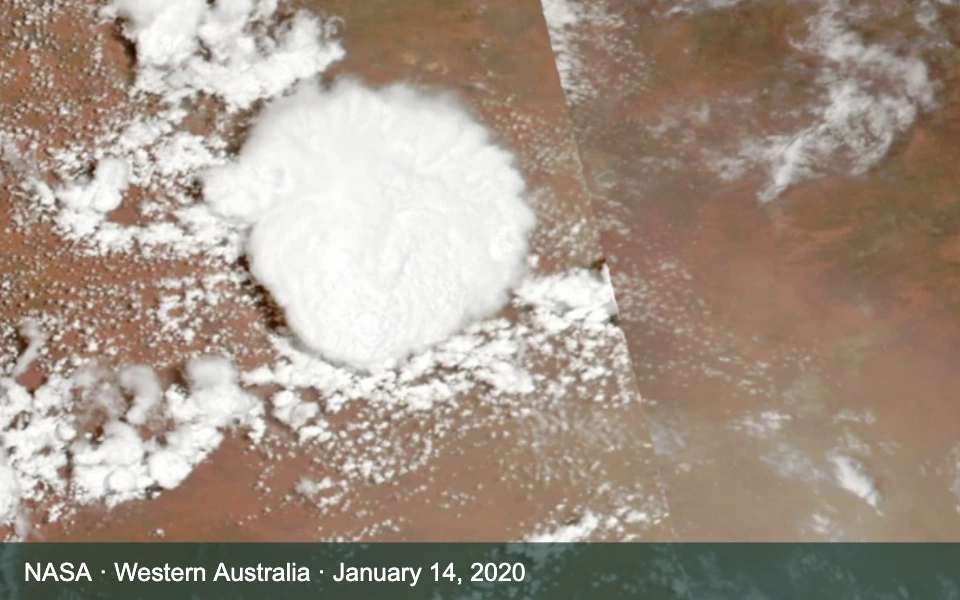
Step through real satellite observations, release an air parcel into a measured atmosphere, and discover why moisture, lifting and the surrounding air all matter.
 Interactive exploration
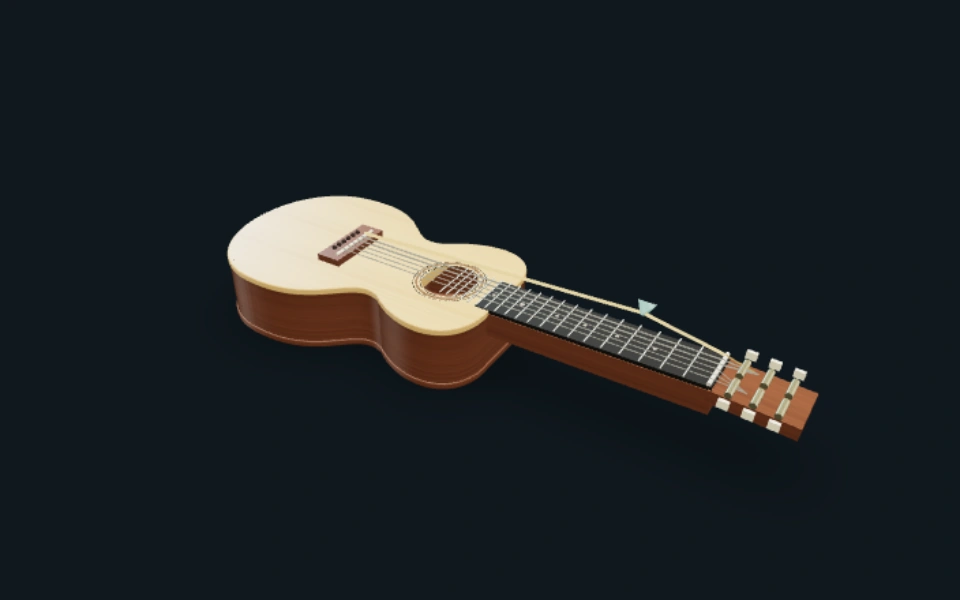
Pluck a guitar, move a fret and hear the model. Pull a note apart into harmonics, investigate resonance, and open the instrument beside real research photographs.
 Interactive exploration
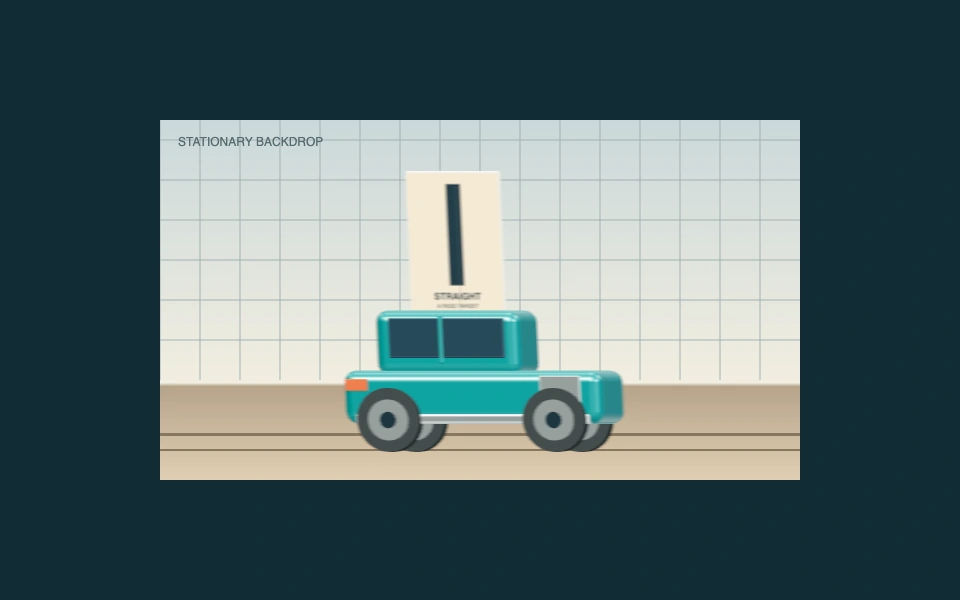
Photograph a moving toy, shorten the exposure, and unroll the time behind each row. Compare motion blur, rolling shutter, missed focus and low-light noise using your own saved captures.
 Interactive exploration
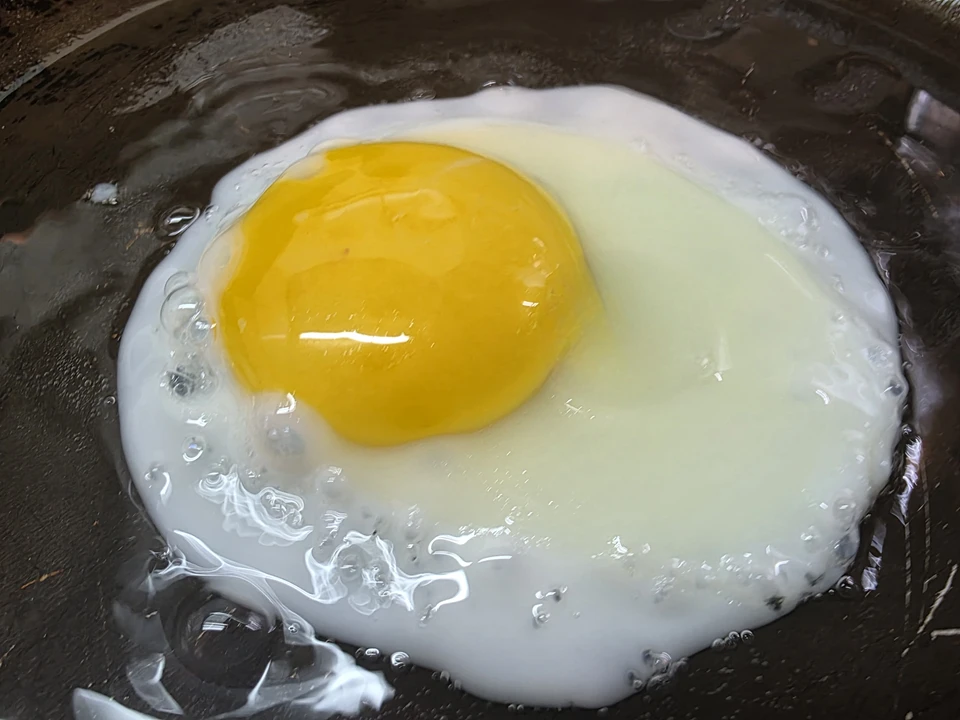
Tilt a plate, press a sample, and tug the connections that help a cooked egg hold together. Inspect a real ovalbumin structure, compare source-defined laboratory holds, and uncover what an experimental photograph actually shows.
 Interactive exploration
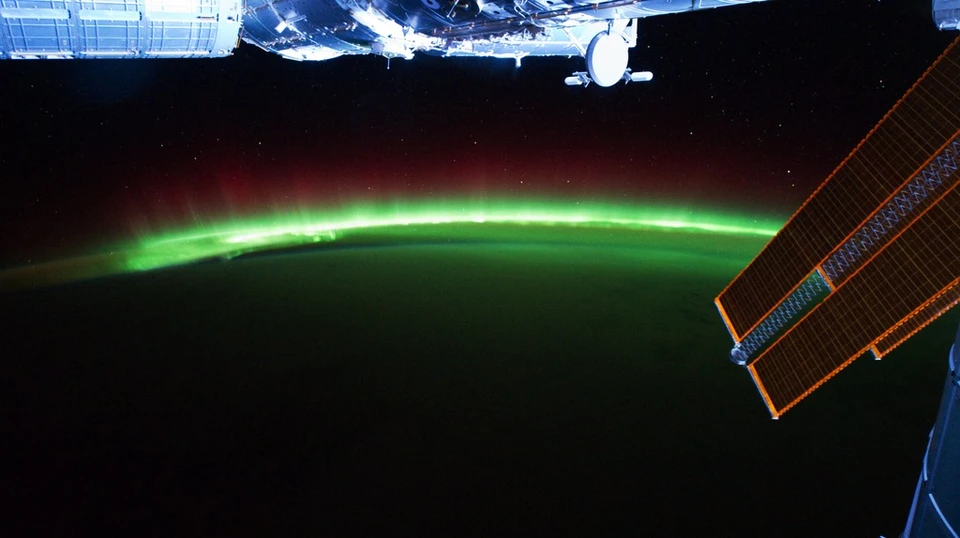
Begin with a real view from the space station. Then prepare two glowing populations, make collisions matter, and discover how atmospheric light, particle energy and a camera’s record fit together.
 Interactive exploration
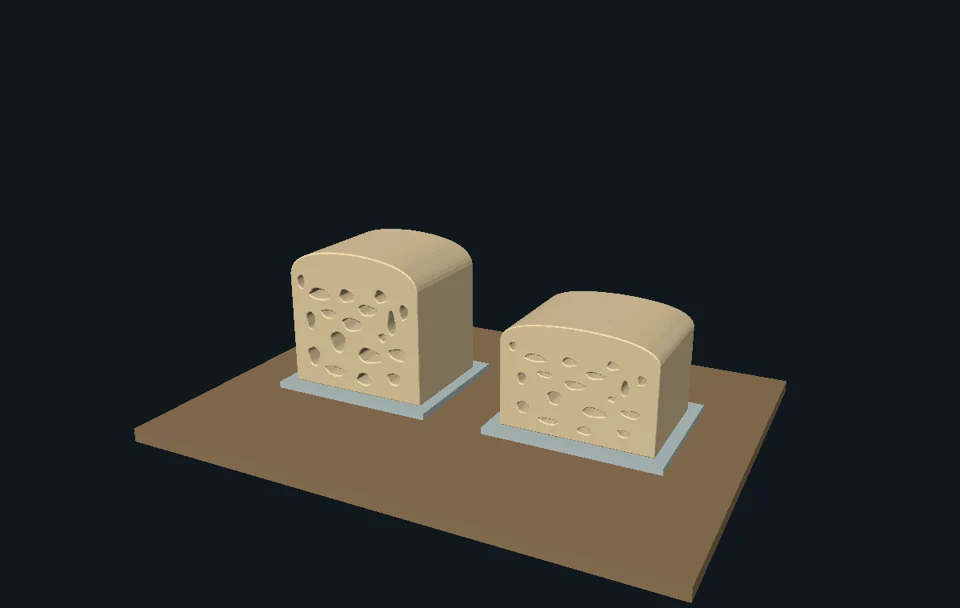
Slice into two teaching doughs, follow gas as it is made, kept or lost, and discover the microbes and chemistry behind rising bread. Inspect real microscopy and a yeast enzyme.
 Interactive exploration
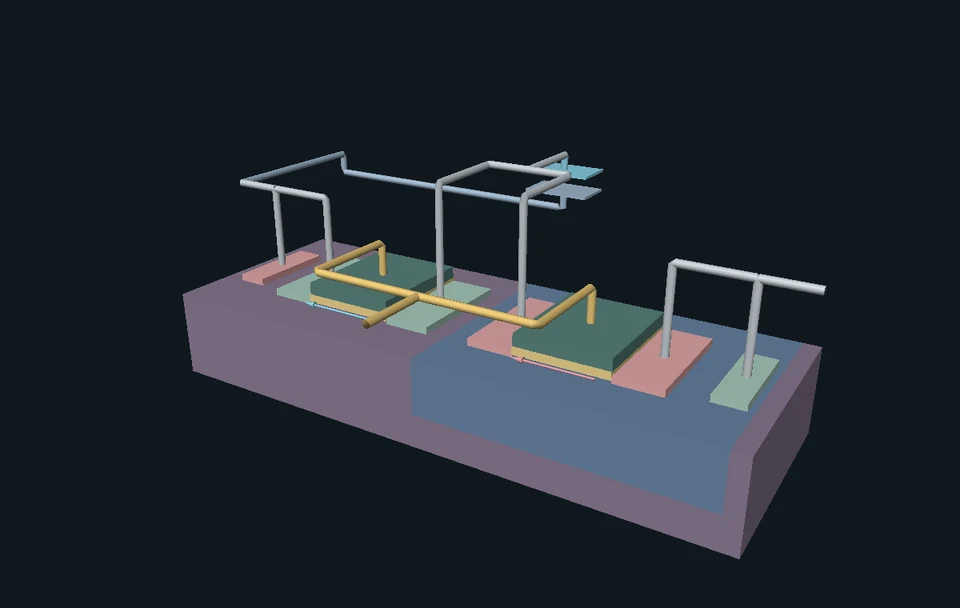
Inspect a connected CMOS cutaway, build a channel, find a circuit’s operating point and follow the charge and energy behind a changing bit.
 Interactive exploration
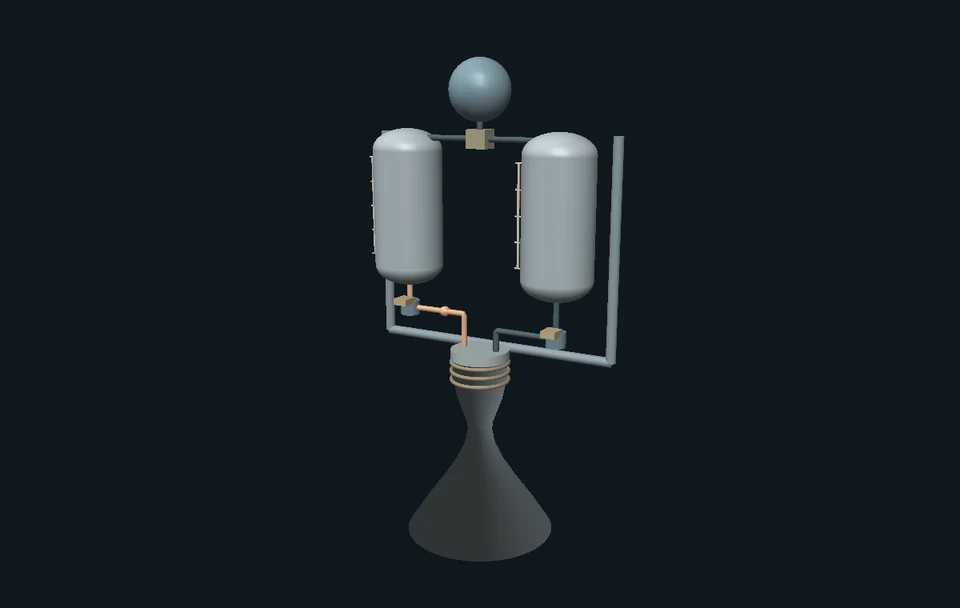
Open a generic engine, follow what it carries and keep every bit of expelled mass in the story. Change who measures the motion, balance the thrust terms and discover what staging actually changes.
 Interactive exploration
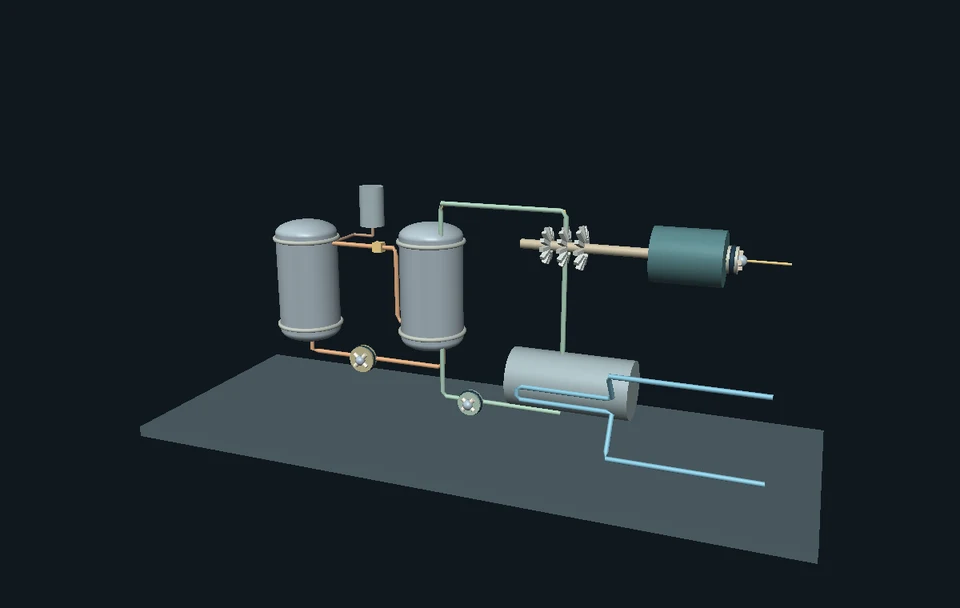
Look through a power plant, follow three separate water routes and trace energy across their walls. Balance the energy account, then investigate why a growing average can still hide empty trials.
 Interactive exploration
Freeze two model temperatures, change infrared transfer and release time. Follow every energy route, move the accounting boundary and compare the model with real atmospheric evidence.
 Interactive exploration
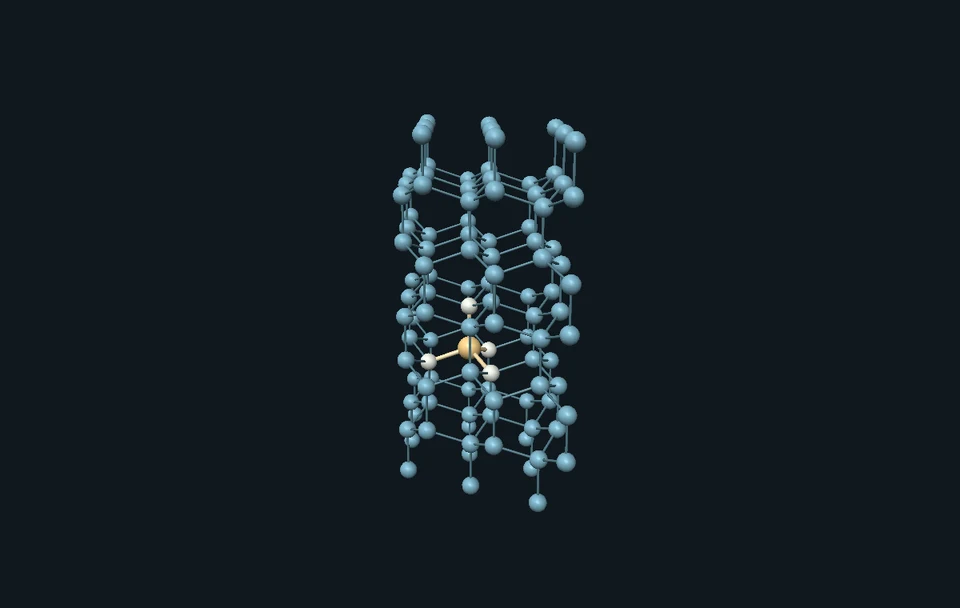
Give water an energy budget. Watch its temperature and phase masses, catch a melting plateau, compare two starting states and inspect an open ice structure.
 Interactive exploration
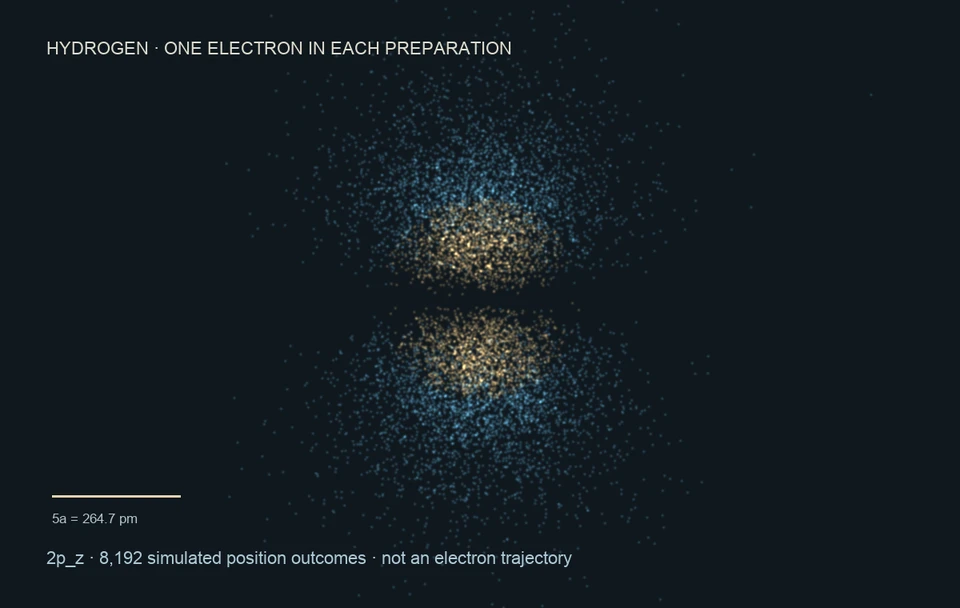
Change particle counts, pin the differences, and discover what names an element. Then prepare one-electron hydrogen states, collect possible position outcomes and match energy gaps to light.
 Interactive exploration
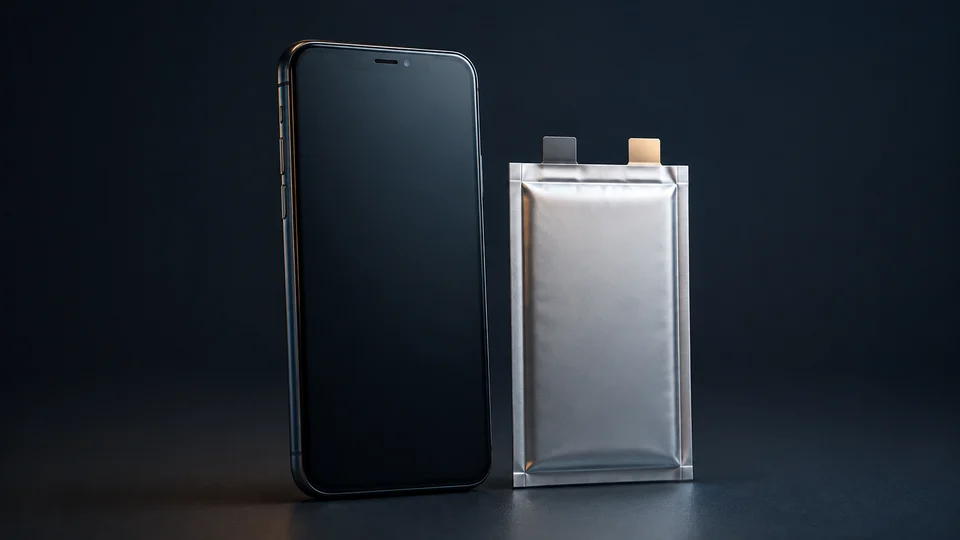
Look through a phone, separate a battery’s layers, and trace two different journeys. One happens inside the cell. The other powers the world outside.
 Interactive exploration
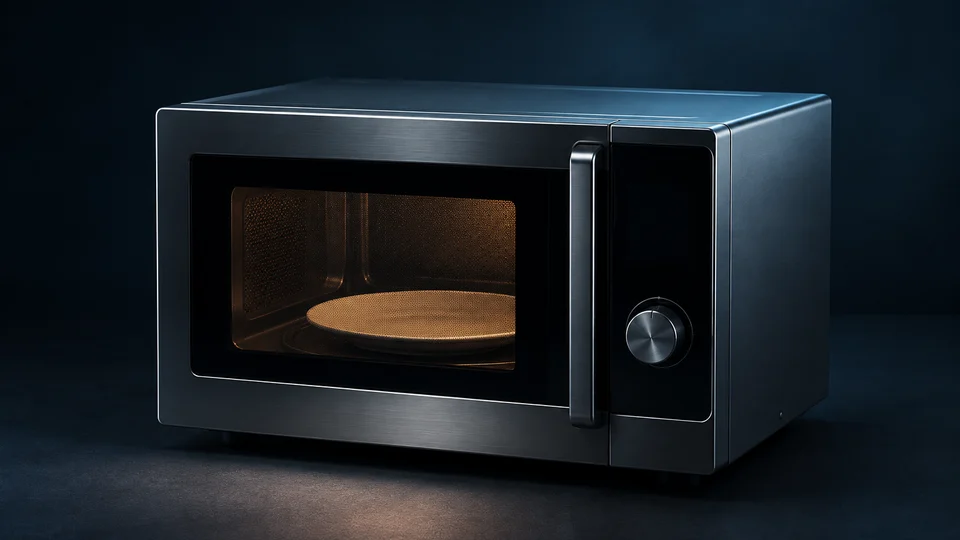
See through a closed microwave, follow a bite around the turntable, and compare where energy arrives with where heat spreads afterward.
 Interactive exploration
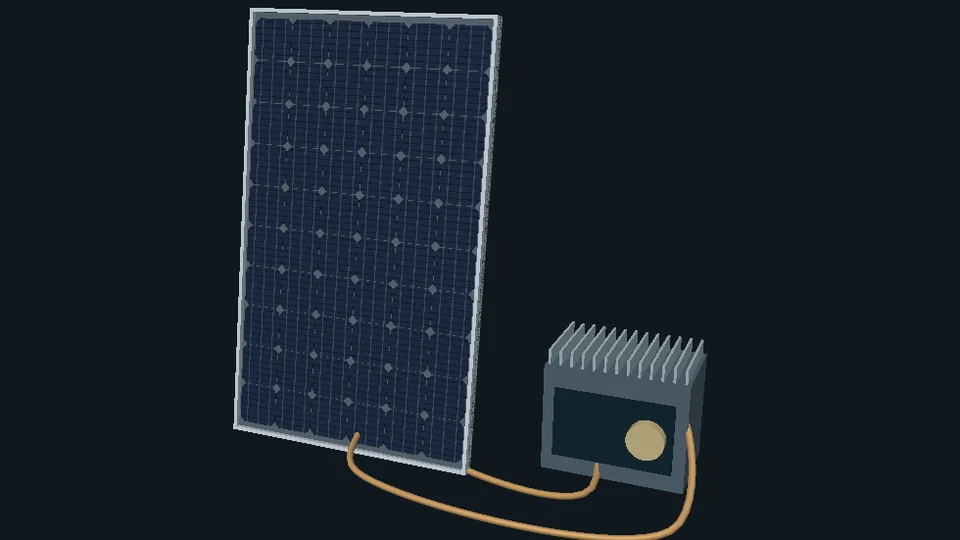
Connect a realistic module to a virtual load, look inside a silicon cell, and build a day’s energy from changing light and time.
Close a switch. Follow a complete path. Give current a second route and discover what changes.
Power a motor. Reverse its direction. Add a load and watch speed, current and turning force find a new balance.
 Interactive exploration
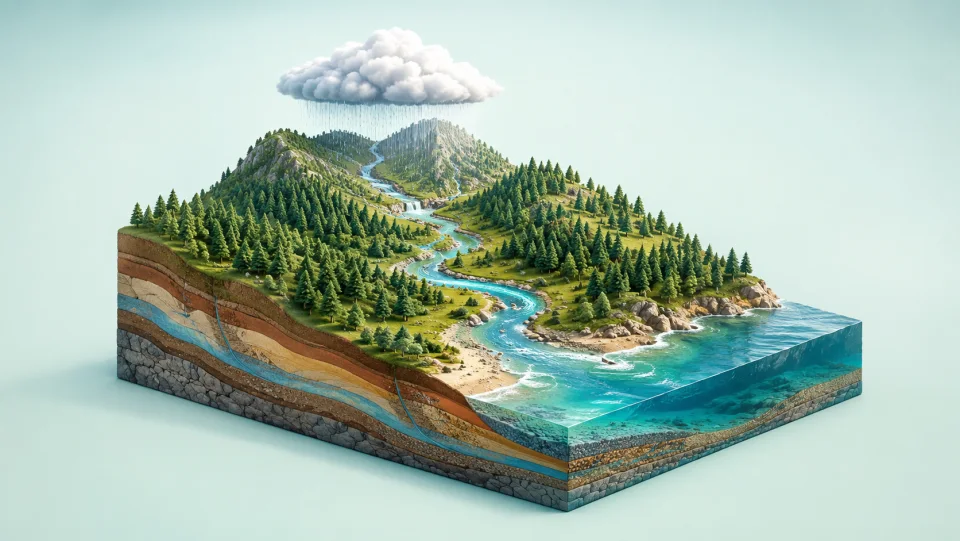
Follow water above and below the surface. Pave part of the land, change evaporation, and watch the water budget rearrange.
 Interactive exploration
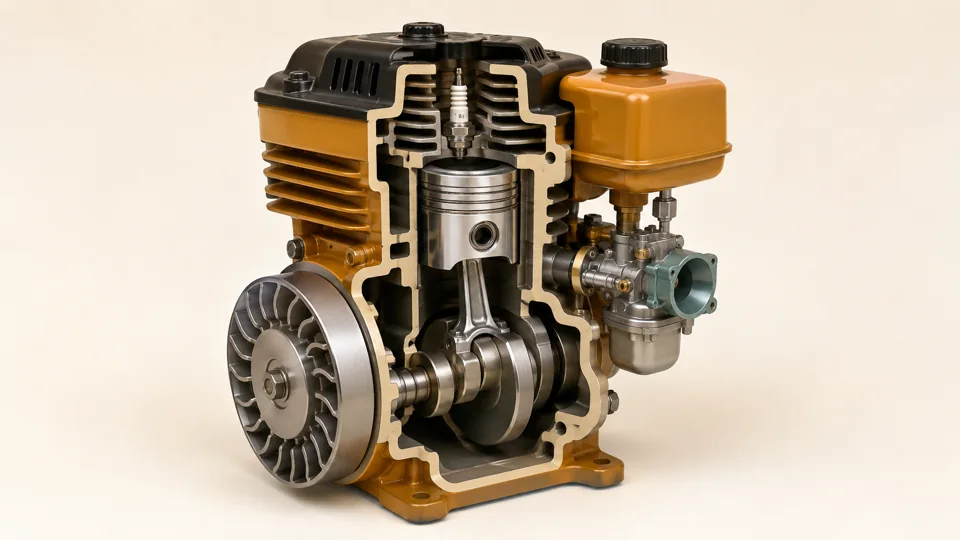
Open a detailed engine, turn its crank, and take the assembly apart. Follow four different jobs hidden inside two very similar-looking turns.
 Interactive exploration
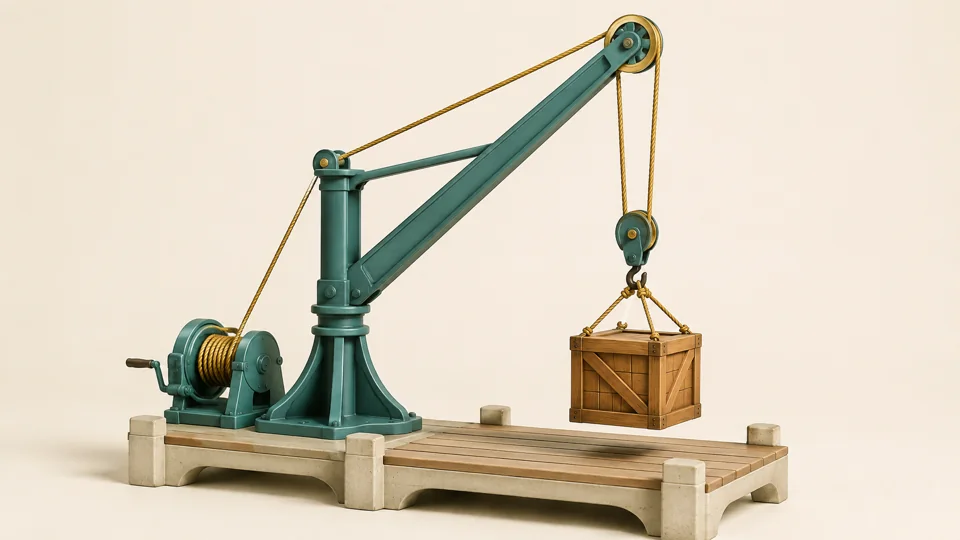
Rerig a dock crane. Pull the same length of rope, watch the crate rise, and see what you trade for an easier lift.
Move a load closer to an elbow on a transparent teaching arm. See the force change, then explore how muscles can work without visible movement.
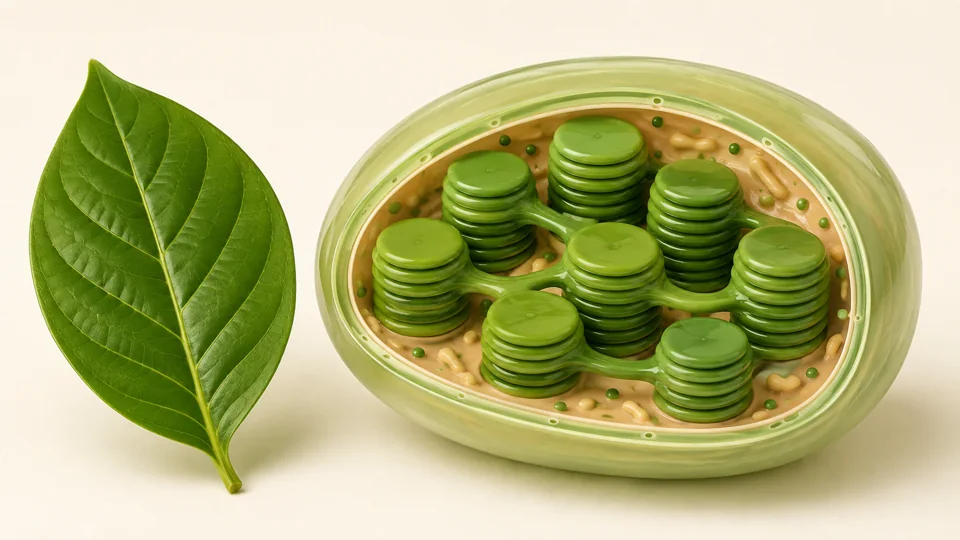 Interactive exploration
Open a leaf, explore a chloroplast, and supply a tiny carbon-building recipe. Discover what comes from air, what comes from water, and what light contributes.
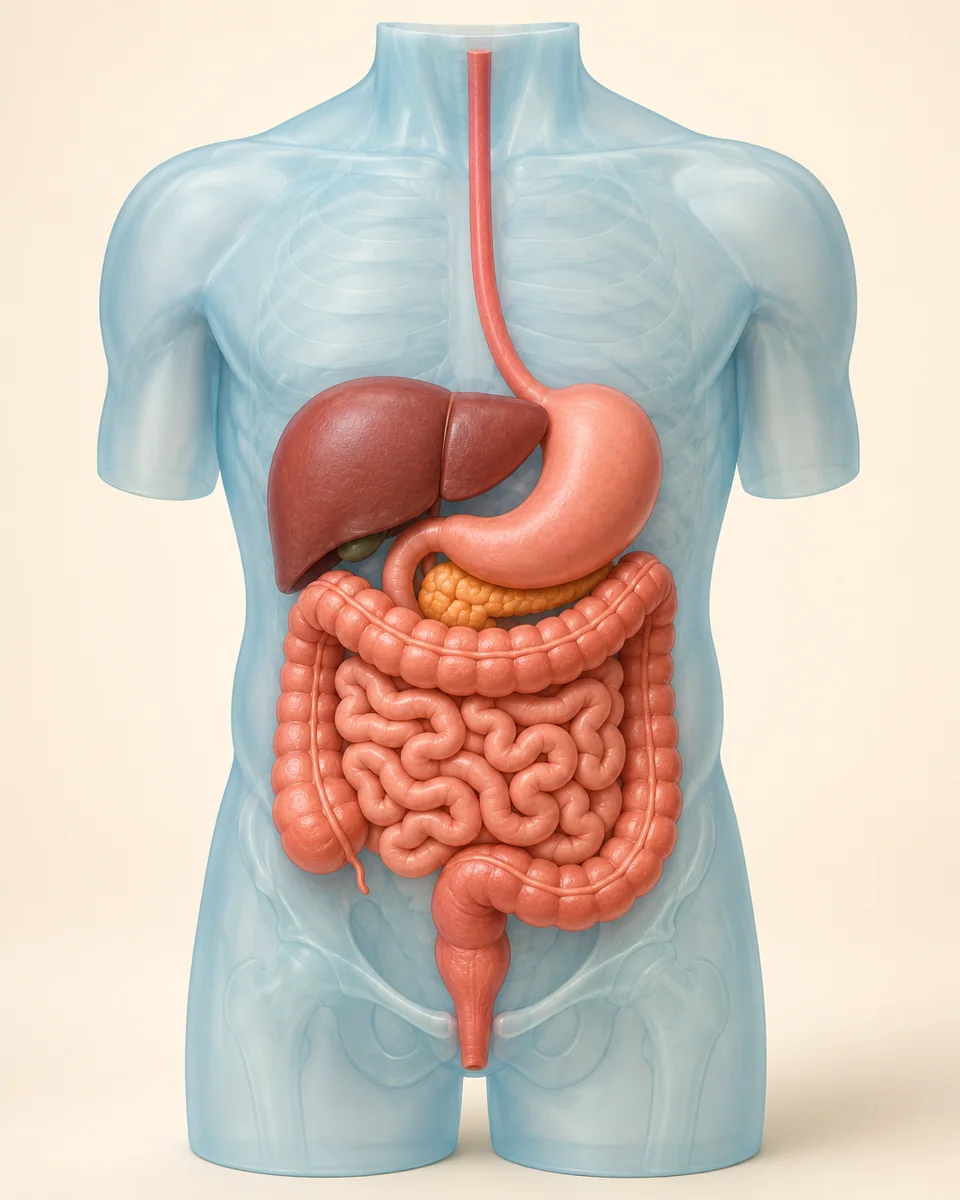 Interactive exploration
Follow a meal through the gut, then zoom into its lining. Choose starch, protein or long-chain fat and discover why their next routes differ.
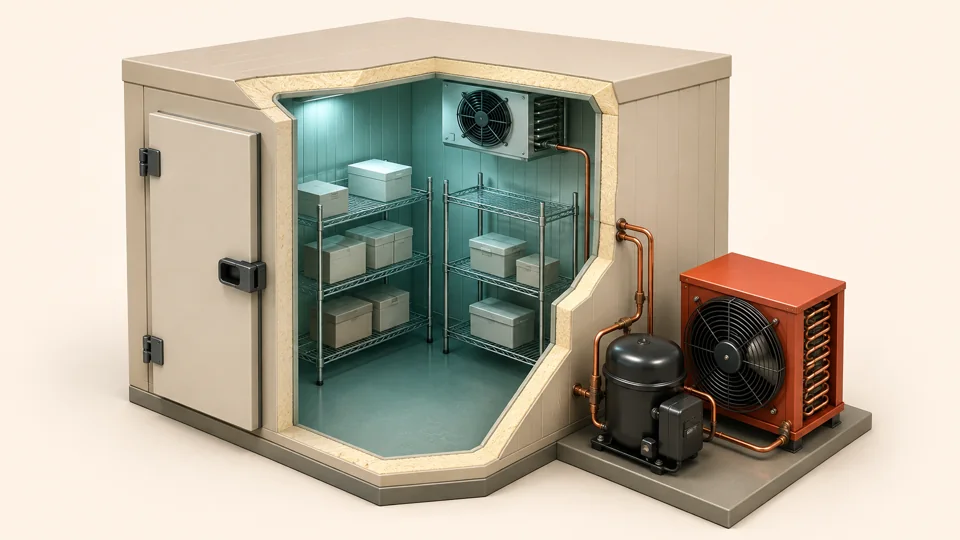 Interactive exploration
Look through a cold room and follow its refrigerant loop. Count the heat removed and the work added, then try putting both sides in the same room.
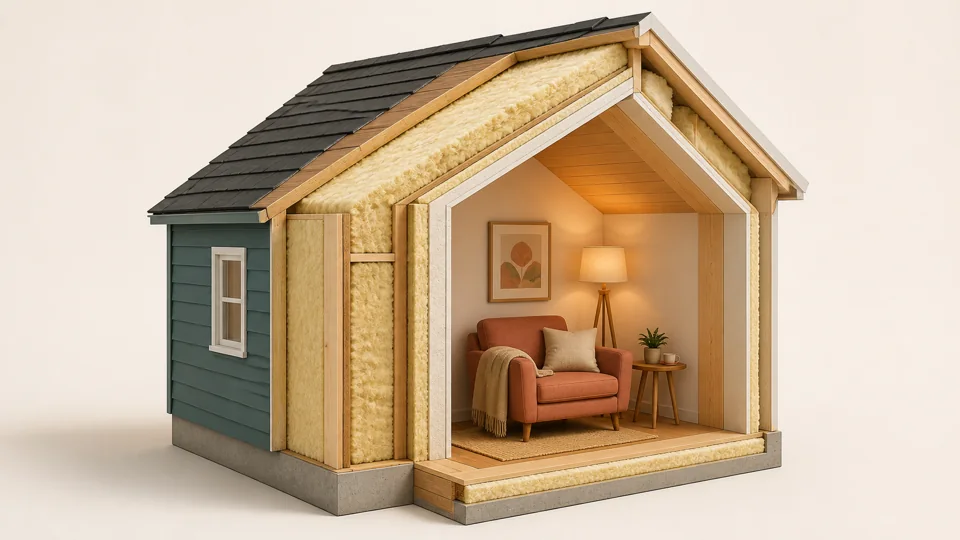 Interactive exploration
Open a house wall. Swap its added layer, make it thicker, and reverse the temperatures to see why insulation helps in winter and summer.