Interactive exploration
Machines & MotionGears and gear ratios
How do gears trade speed for turning force?
Turn once. Count what happens. Discover gear ratios, real-world uses, and why different jobs need different gears.
Interactions between parts can change motion and transmit turning forces.
Background on this ideaTurn once. Count what happens. Discover gear ratios, real-world uses, and why different jobs need different gears.
Squeeze a hydraulic brake. See inside the caliper, change piston sizes, and discover how pressure becomes force.
 Interactive exploration
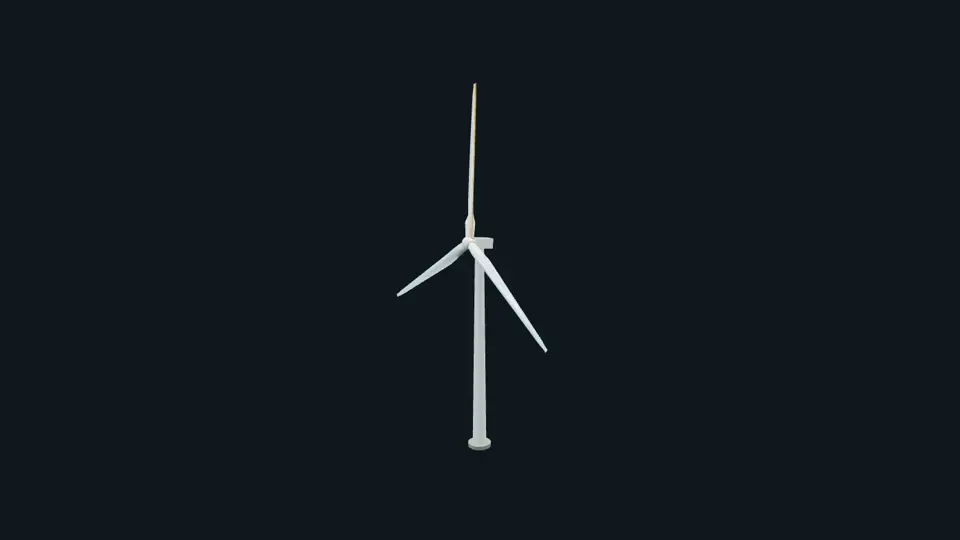
Turn a source-shaped blade, change the generator load and follow the energy. Discover why pitch, torque and speed must work together—and compare a model with a real wind-tunnel experiment.
 Interactive exploration
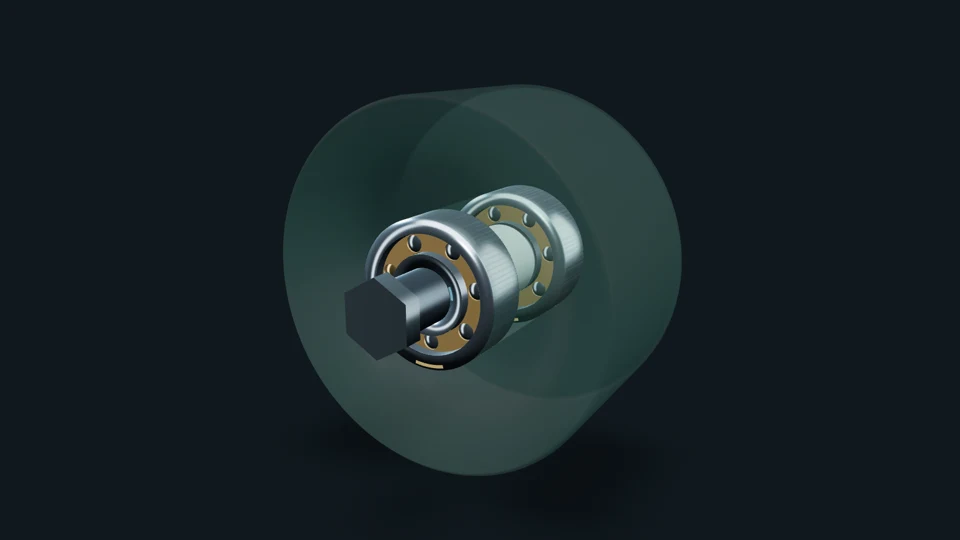
Make a wheel see-through, follow a marked ball and test which motions can roll. Then discover why a longer spin does not always mean less friction.
 Interactive exploration
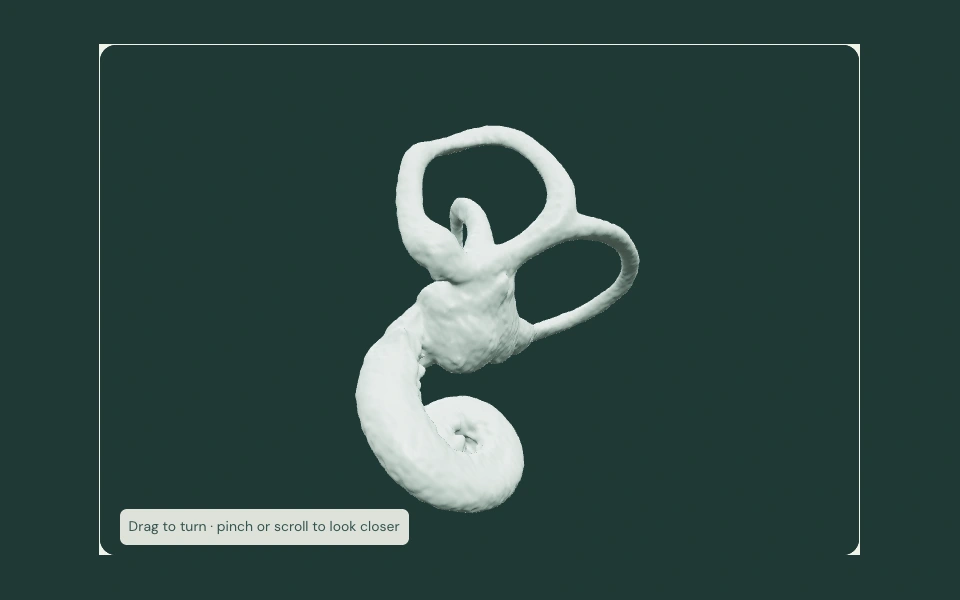
Brake a virtual chair, open a real inner-ear reconstruction, and solve a motion-clue puzzle. Discover why actual movement, sensory responses and what you feel are different.
 Interactive exploration
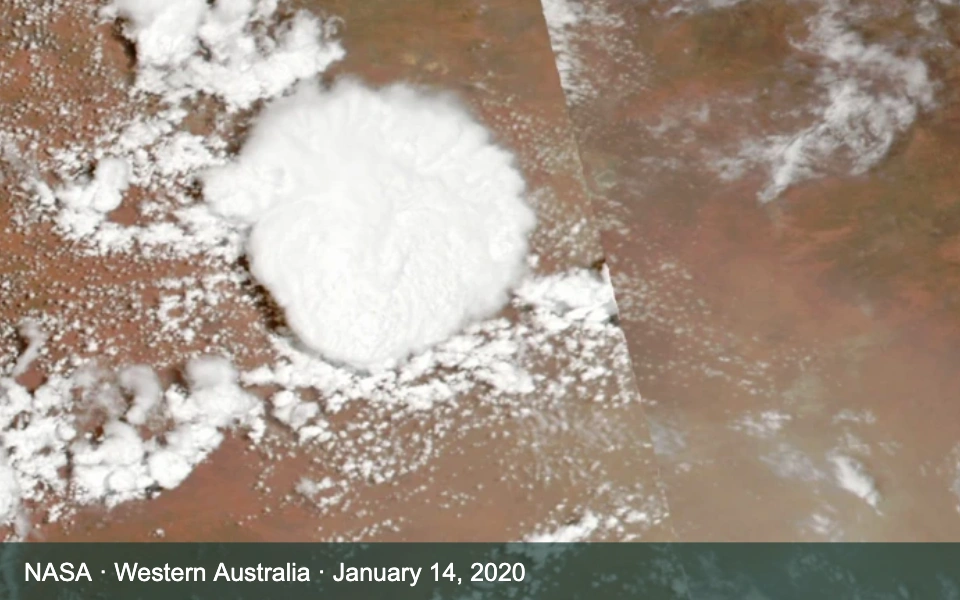
Step through real satellite observations, release an air parcel into a measured atmosphere, and discover why moisture, lifting and the surrounding air all matter.
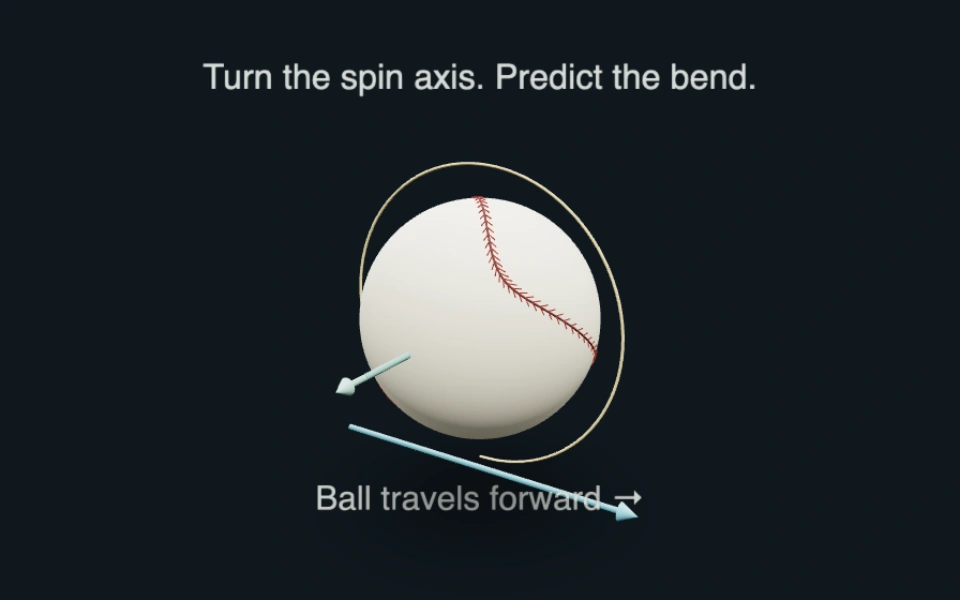 Interactive exploration
Turn a baseball’s spin axis, launch a comparison and freeze the forces. Inspect real ball and wake measurements to discover how seams complicate a simple rule.
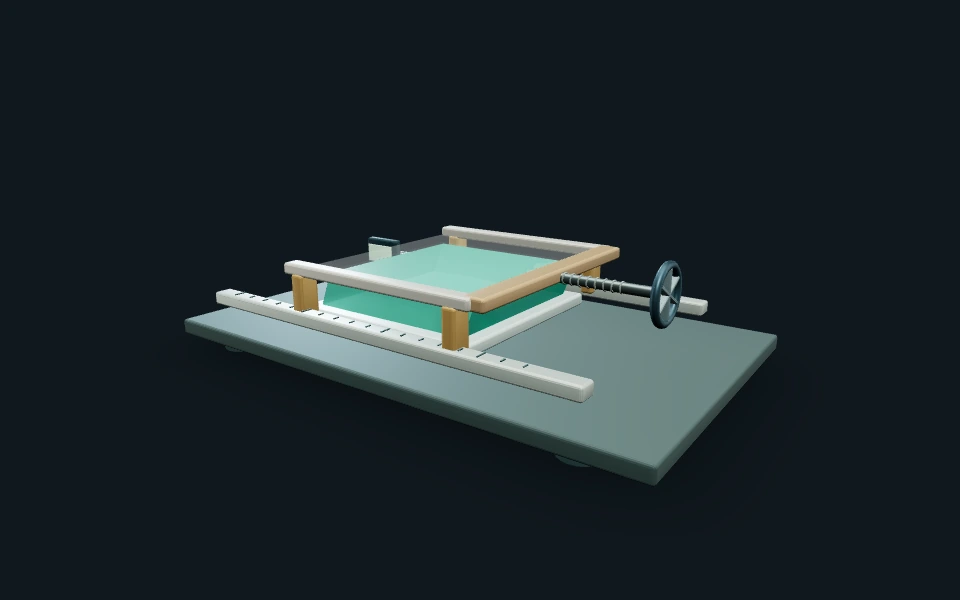 Interactive exploration
Make the same small move at different speeds, park a material-testing carriage, and watch its force change. Explore polymer networks, relaxation, creep and real research images without inventing a breaking rule.
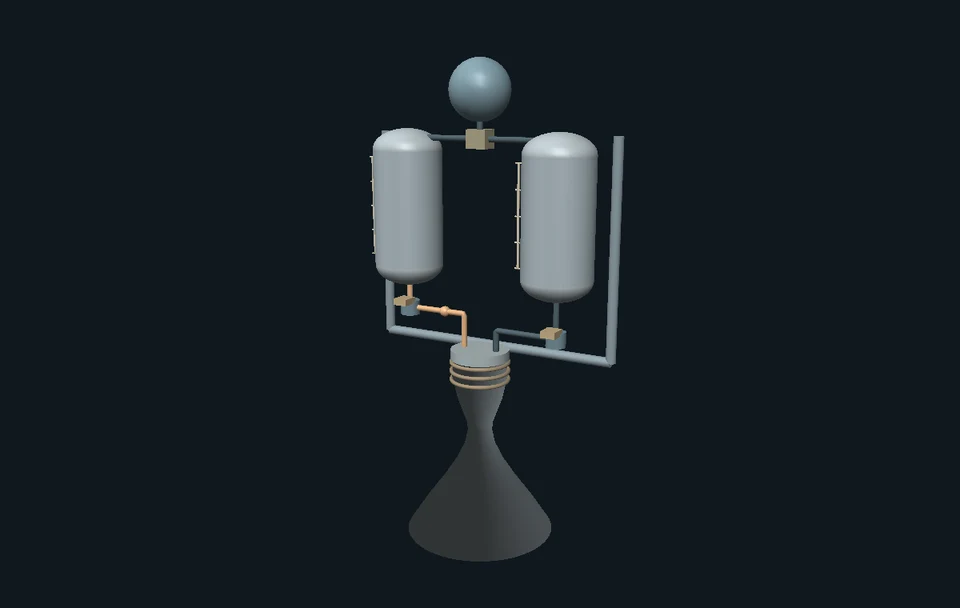 Interactive exploration
Open a generic engine, follow what it carries and keep every bit of expelled mass in the story. Change who measures the motion, balance the thrust terms and discover what staging actually changes.
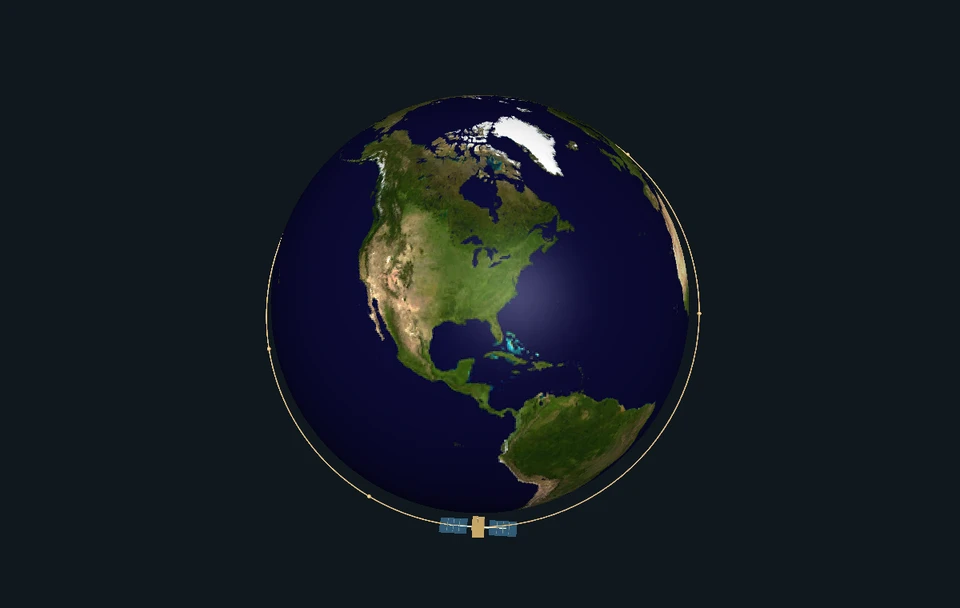 Interactive exploration
Draw a velocity arrow, predict a path and compare two spacecraft on one clock. Follow a real NASA Earth map, inspect the next moment of free fall and discover why speed alone cannot make a circle.
 Interactive exploration
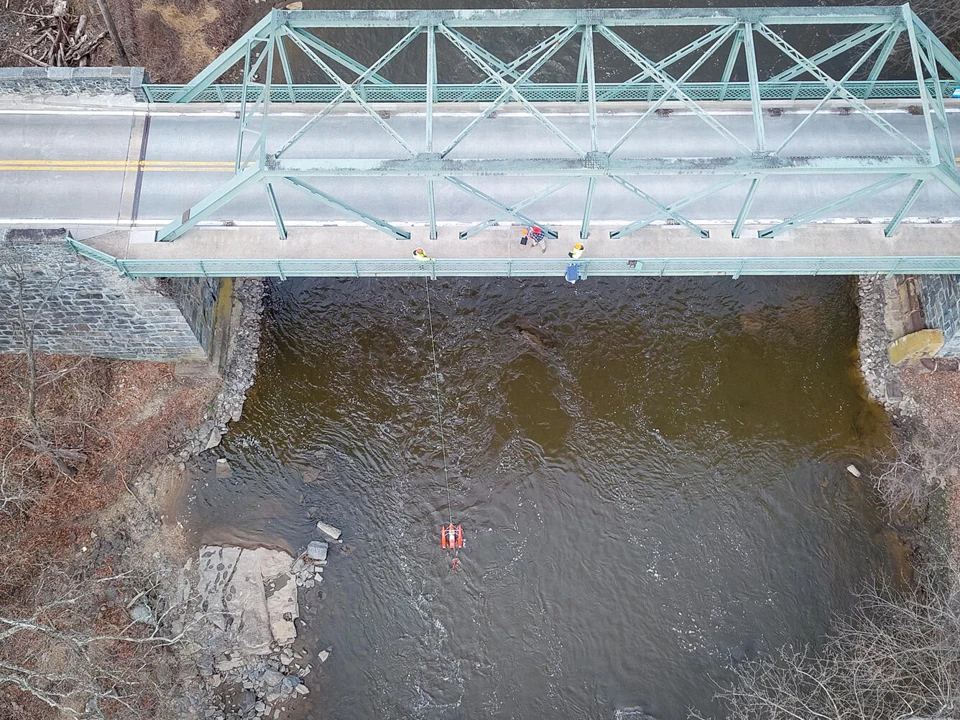
Move a load across an inspectable steel truss. Lift its deck, catch a diagonal changing from push to pull, repair a missing restraint and follow forces all the way to the supports.
 Interactive exploration
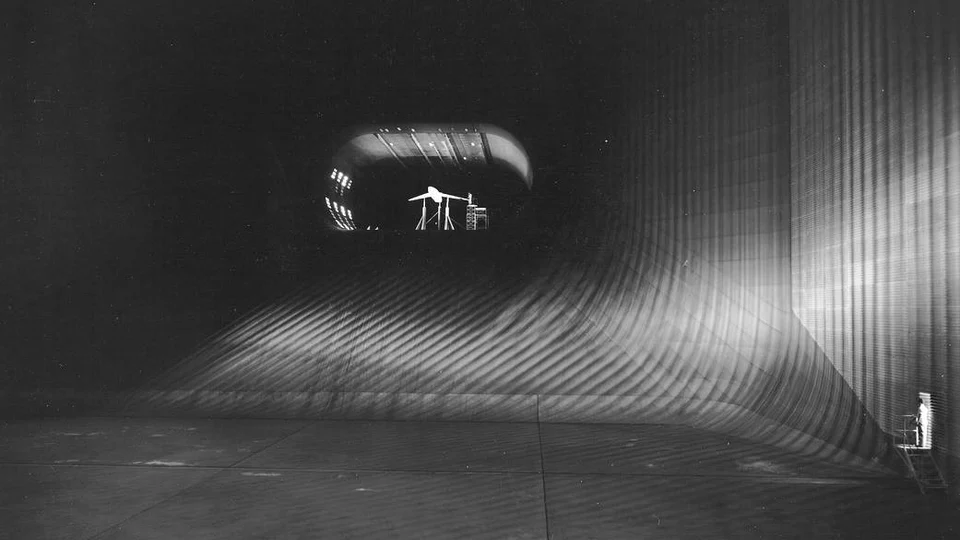
Run a virtual wind-tunnel test. Tilt a symmetric airfoil, probe both surfaces, and build the whole lift force from pressure around the wing.
 Interactive exploration
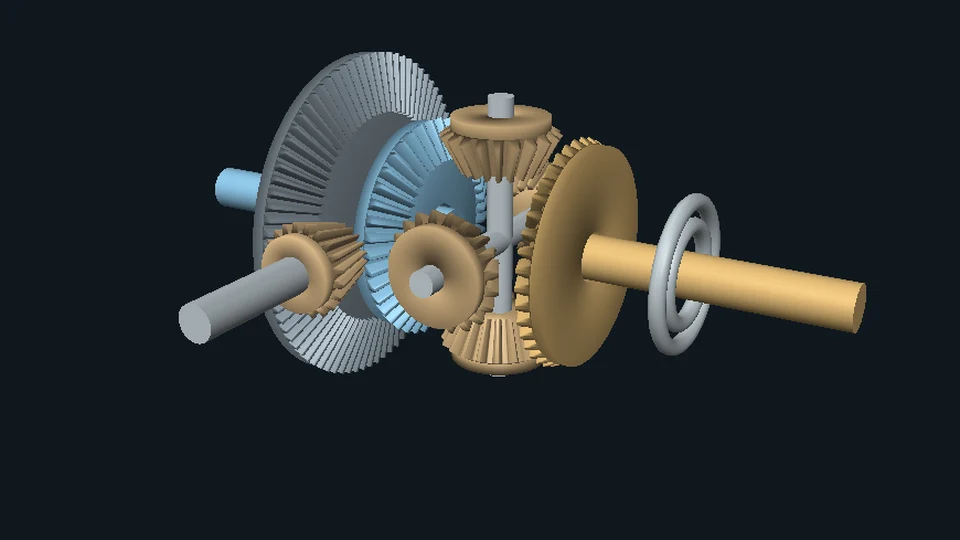
Follow a transparent car around a bend, open its rear axle, and discover how a differential shares motion, torque and a low-grip limit.
Power a motor. Reverse its direction. Add a load and watch speed, current and turning force find a new balance.
 Interactive exploration
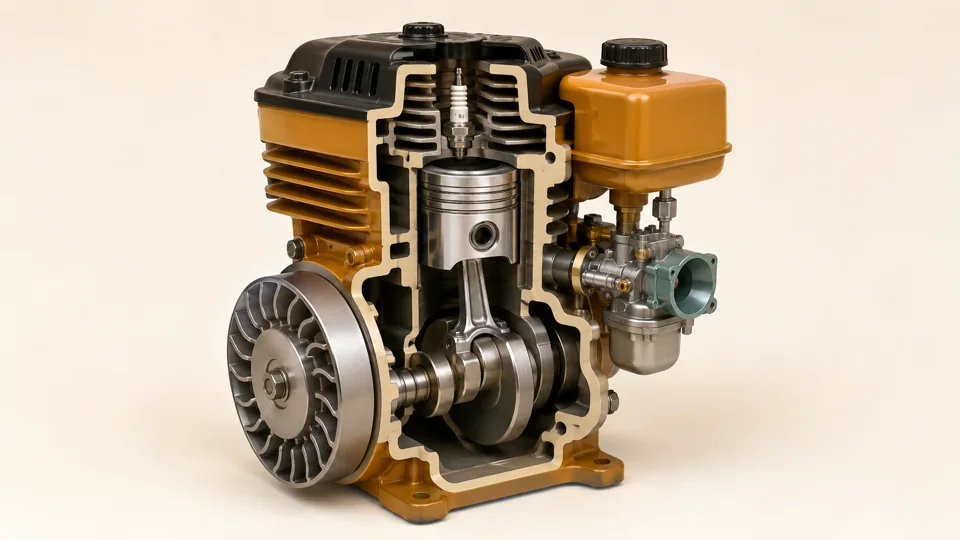
Open a detailed engine, turn its crank, and take the assembly apart. Follow four different jobs hidden inside two very similar-looking turns.
 Interactive exploration
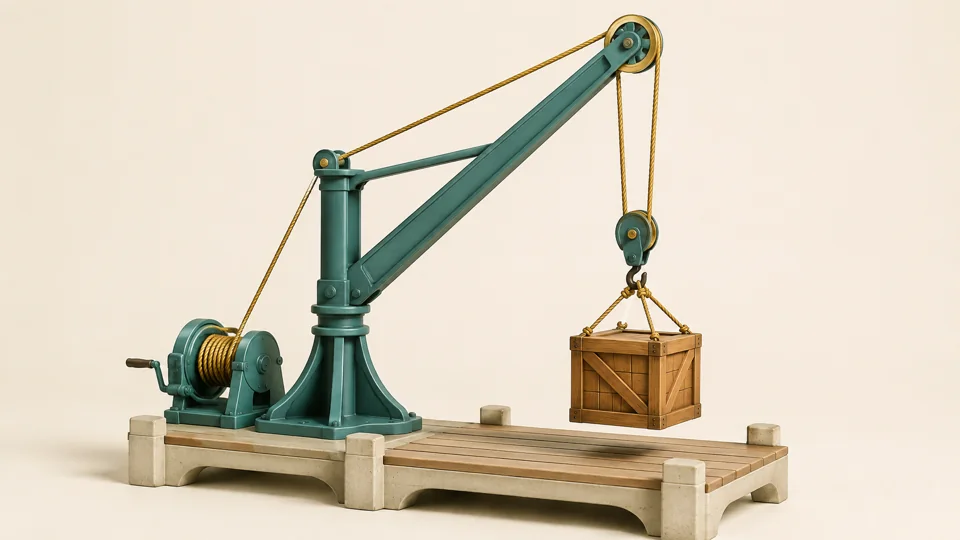
Rerig a dock crane. Pull the same length of rope, watch the crate rise, and see what you trade for an easier lift.
Move a load closer to an elbow on a transparent teaching arm. See the force change, then explore how muscles can work without visible movement.
 Interactive exploration
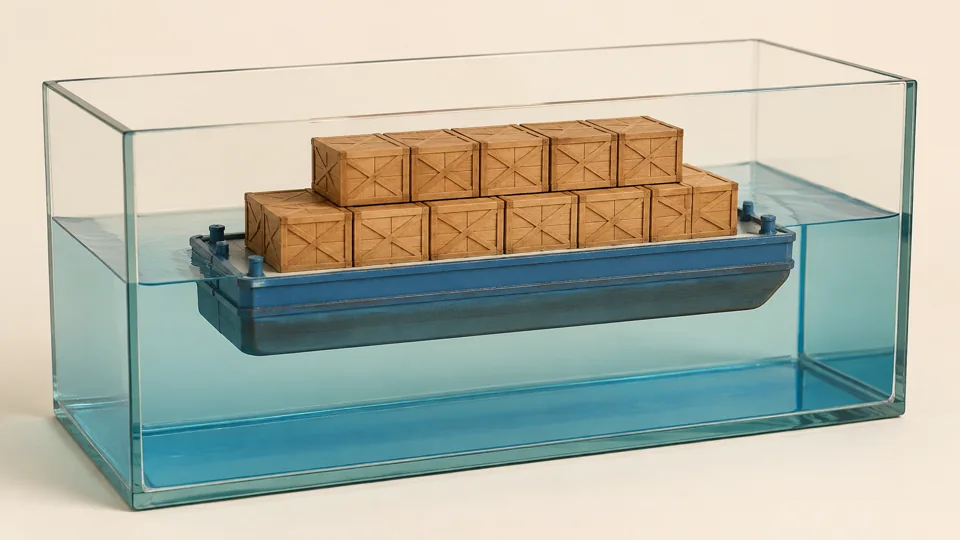
Load a tiny barge and watch its waterline rise along the hull. Then lower a block through a tank to connect water pressure with buoyancy.