Interactive exploration
Machines & MotionGears and gear ratios
How do gears trade speed for turning force?
Turn once. Count what happens. Discover gear ratios, real-world uses, and why different jobs need different gears.
Follow a force. Take apart a mechanism. Make something move.
10 matching explorations
Turn once. Count what happens. Discover gear ratios, real-world uses, and why different jobs need different gears.
Squeeze a hydraulic brake. See inside the caliper, change piston sizes, and discover how pressure becomes force.
 Interactive exploration
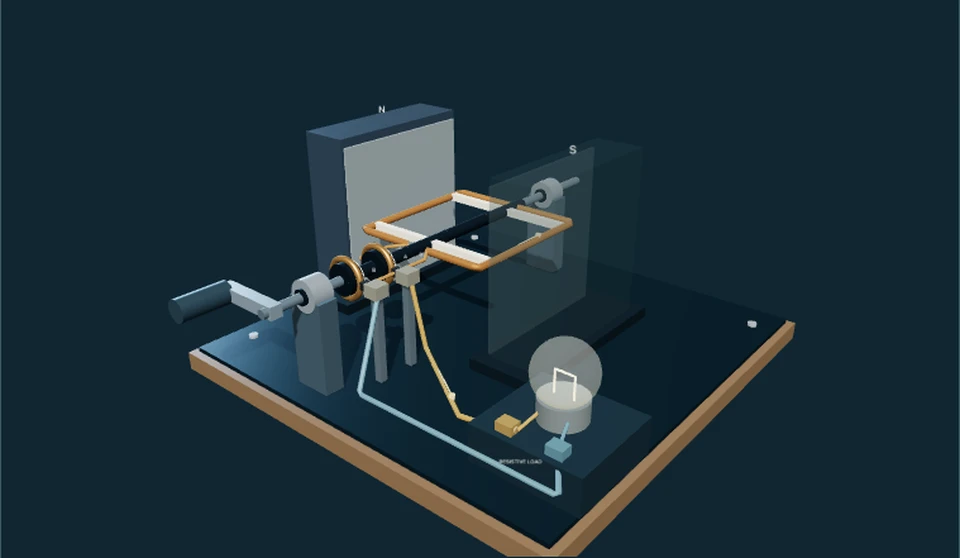
Turn a tabletop generator, unplug its lamp, and replay the same motion. Follow the voltage, the pushback and every joule to discover where electrical energy comes from.
 Interactive exploration
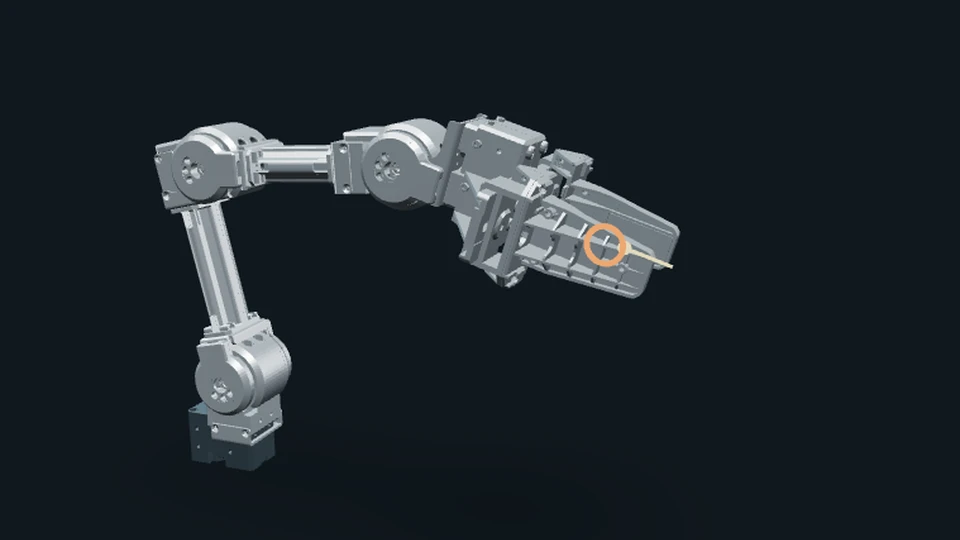
Tilt a real robot model while keeping its gripper center on a target. Compare two routes between the same poses, discover what stops a reach, and build a paper arm with two ways to touch one point.
 Interactive exploration
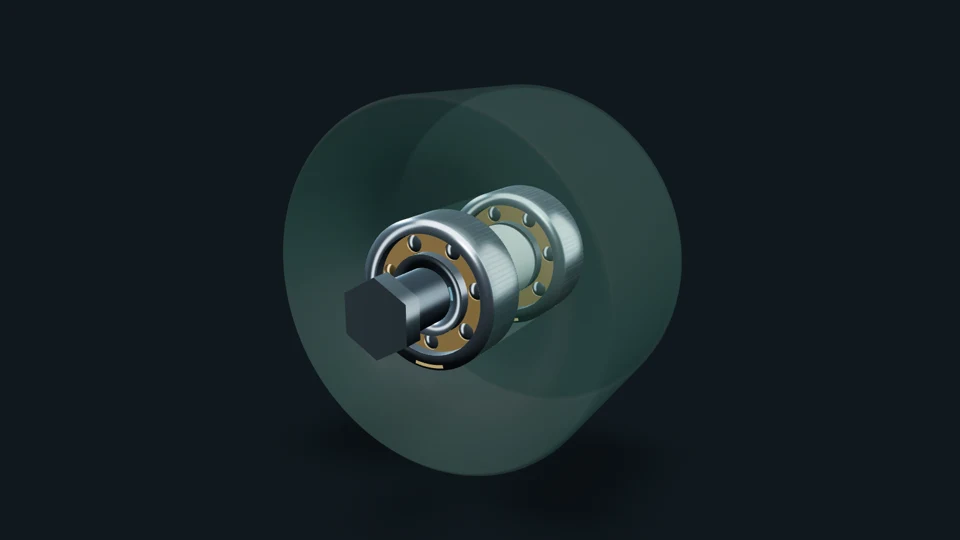
Make a wheel see-through, follow a marked ball and test which motions can roll. Then discover why a longer spin does not always mean less friction.
 Interactive exploration
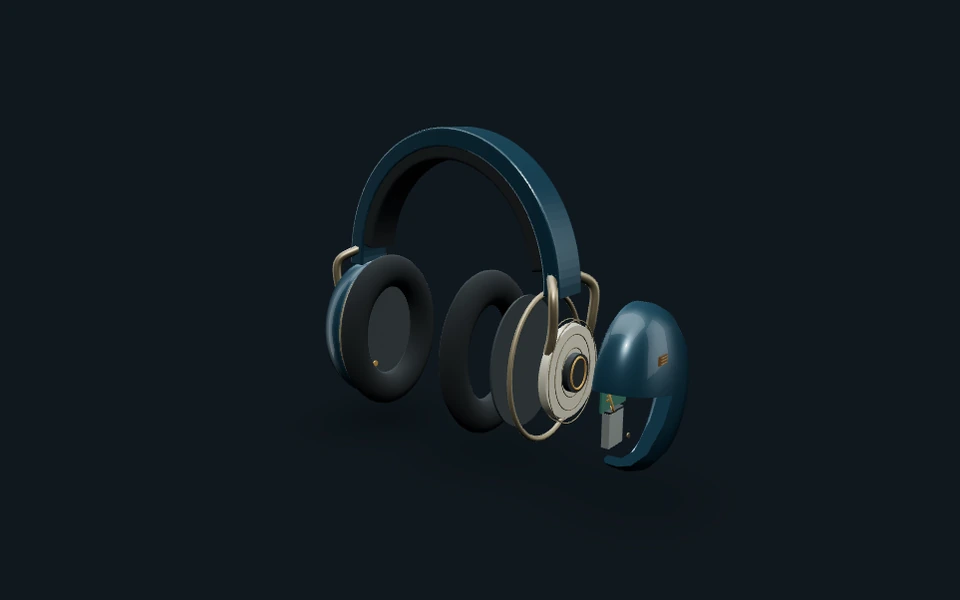
Open a headphone, line up two pressure changes, then keep your setting while the sound changes. Discover why timing, microphones and location matter—and inspect a real measured acoustic path.
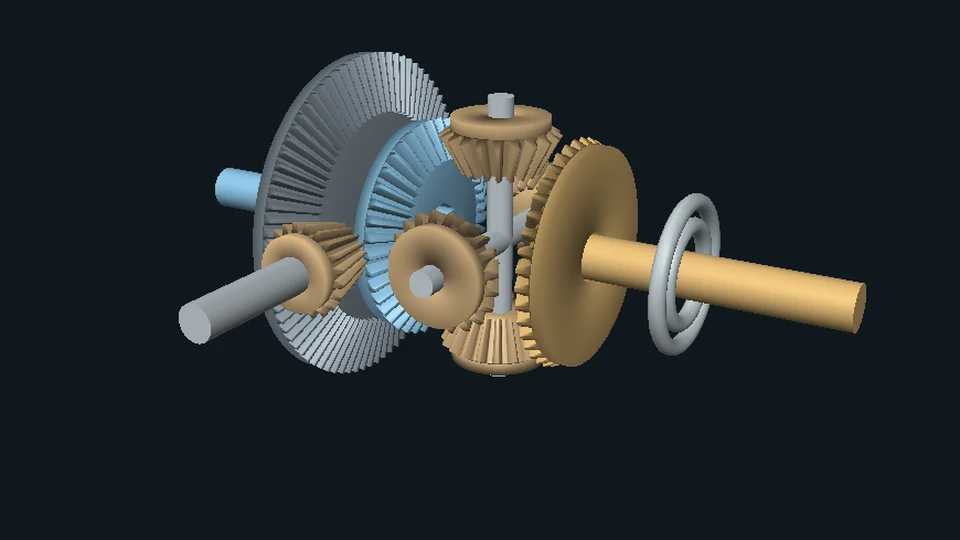 Interactive exploration
Follow a transparent car around a bend, open its rear axle, and discover how a differential shares motion, torque and a low-grip limit.
Power a motor. Reverse its direction. Add a load and watch speed, current and turning force find a new balance.
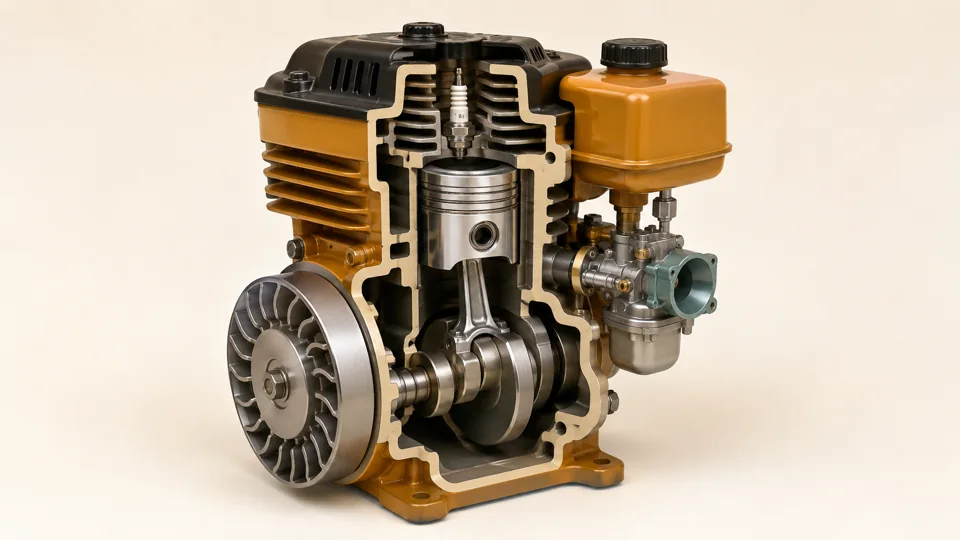 Interactive exploration
Open a detailed engine, turn its crank, and take the assembly apart. Follow four different jobs hidden inside two very similar-looking turns.
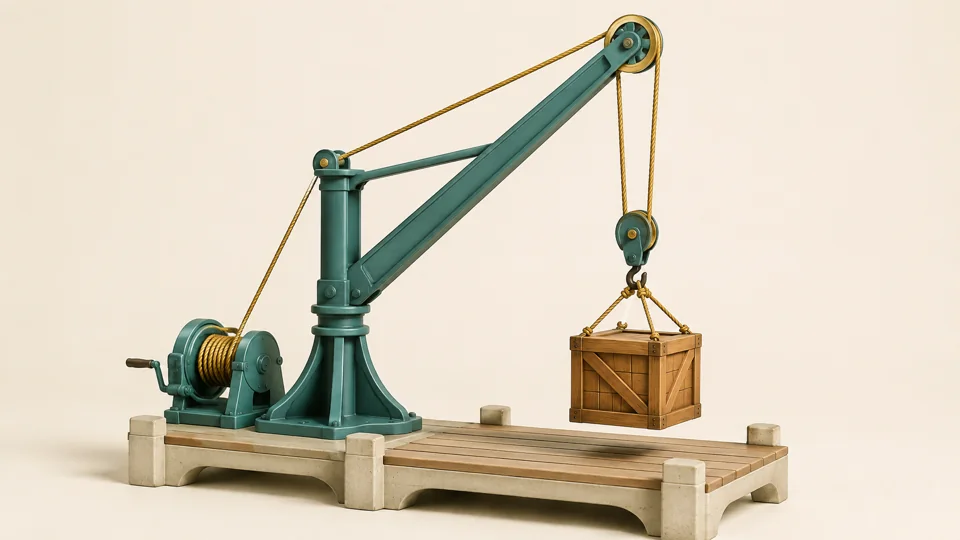 Interactive exploration
Rerig a dock crane. Pull the same length of rope, watch the crate rise, and see what you trade for an easier lift.
Optional. These phrases are saved privately for up to 30 days and included in a weekly report to our team. We do not attach your account or send the phrases to Mixpanel. Please leave out personal details. About search privacy
Every exploration includes its sources, model assumptions, and scientific review status. See the review process.